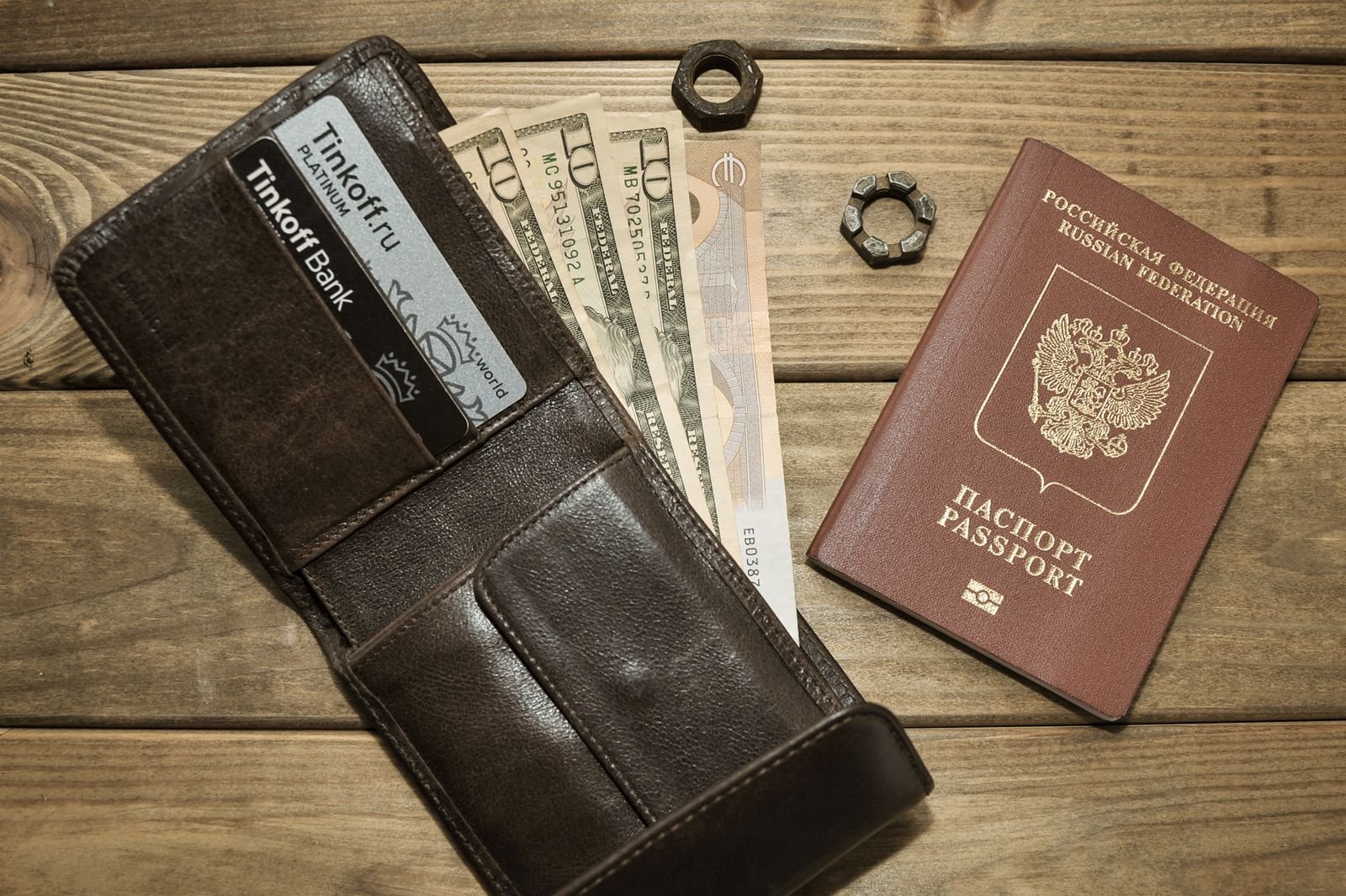
Daniel from Chicago had never left the United States. When his sister announced her wedding in Tokyo, he booked a flight, bought a guidebook, and then sat at his kitchen table staring at his wallet. He had a debit card, a credit card, and about two hundred dollars in cash. He had no idea which of those would actually work in Japan, how much cash he should carry, or what would happen if his card was declined at a train station at midnight. He was not worried about the flight. He was worried about the money.
That worry is normal, and it is easy to fix. The best way to carry money while traveling abroad is not one perfect method. It is a simple split system: a card for most purchases, a modest amount of cash for the places that do not take cards, and a digital wallet as a backup. Each method covers the weakness of the others, so a single declined card or a stolen wallet never ruins your trip. This guide explains that system in plain terms, with the fees to avoid, the steps to take before you leave, and what to do if something goes wrong while you are away.
Three points matter most here. First, never rely on a single way to pay, because every method can fail. Second, most of the money travelers lose abroad goes to fees they could have avoided, not to theft. Third, a little preparation at home, a phone call to your bank and a check of your card terms, saves more money than any clever trick on the road.
Best Way to Carry Money While Traveling Abroad: The Split System
The split system divides your money three ways. Your main credit card handles hotels, restaurants, transport, and larger purchases. Cash covers taxis, street food, tips, and small shops that do not take cards. A digital wallet on your phone, Apple Pay or Google Pay, acts as a backup when your physical cards are lost, stolen, or left in the hotel safe.
The exact split depends on where you are going. In Japan, South Korea, and much of Southeast Asia, cash still matters, so carry more of it. In the United Kingdom, Scandinavia, and Australia, cards work almost everywhere, so a small amount of cash is enough. Before you leave, search for how people pay in your destination and adjust the split. A good starting point for most trips is 70 percent card, 20 percent cash, and a digital wallet set up and ready as a backup.
Keep the three methods in different places. Carry one card and some cash in your wallet, keep a second card and the rest of your cash in your bag or hotel safe, and keep your phone with the digital wallet on you. If a pickpocket takes your wallet, you still have a card and cash. If your bag is stolen, you still have your wallet and phone. That separation is the whole point of the system, and it costs nothing.
Cards First: Pick the Right Ones Before You Leave
Your main card should be a credit card with no foreign transaction fee. Many US banks charge 1 percent to 3 percent on every purchase made outside the country, and that fee adds up fast. On a two week trip where you spend two thousand dollars, a 3 percent fee costs sixty dollars for nothing. Cards from Capital One, Chase, and several online banks charge no foreign transaction fee at all, and it is worth applying for one before a big trip if your current card charges the fee.
Take a second card from a different network. If your main card is a Visa, take a Mastercard as a backup, or the other way around. Some small shops and some countries accept one network and not the other, and a second card also saves you if the first one is lost or blocked. Make sure both cards have a chip and a PIN, because chip and PIN is the standard in most of the world, and some ticket machines and gas stations will not accept a card that needs a signature.
Call your bank before you leave and tell them your travel dates and destinations. Banks watch for unusual spending, and a card used in Tokyo an hour after it was used in Chicago looks like fraud. Most banks let you set a travel notice in their app in under a minute. Also ask about your daily ATM withdrawal limit and whether your debit card works abroad, because some banks block foreign ATM use by default.
Cash Second: How Much to Carry and Where to Get It
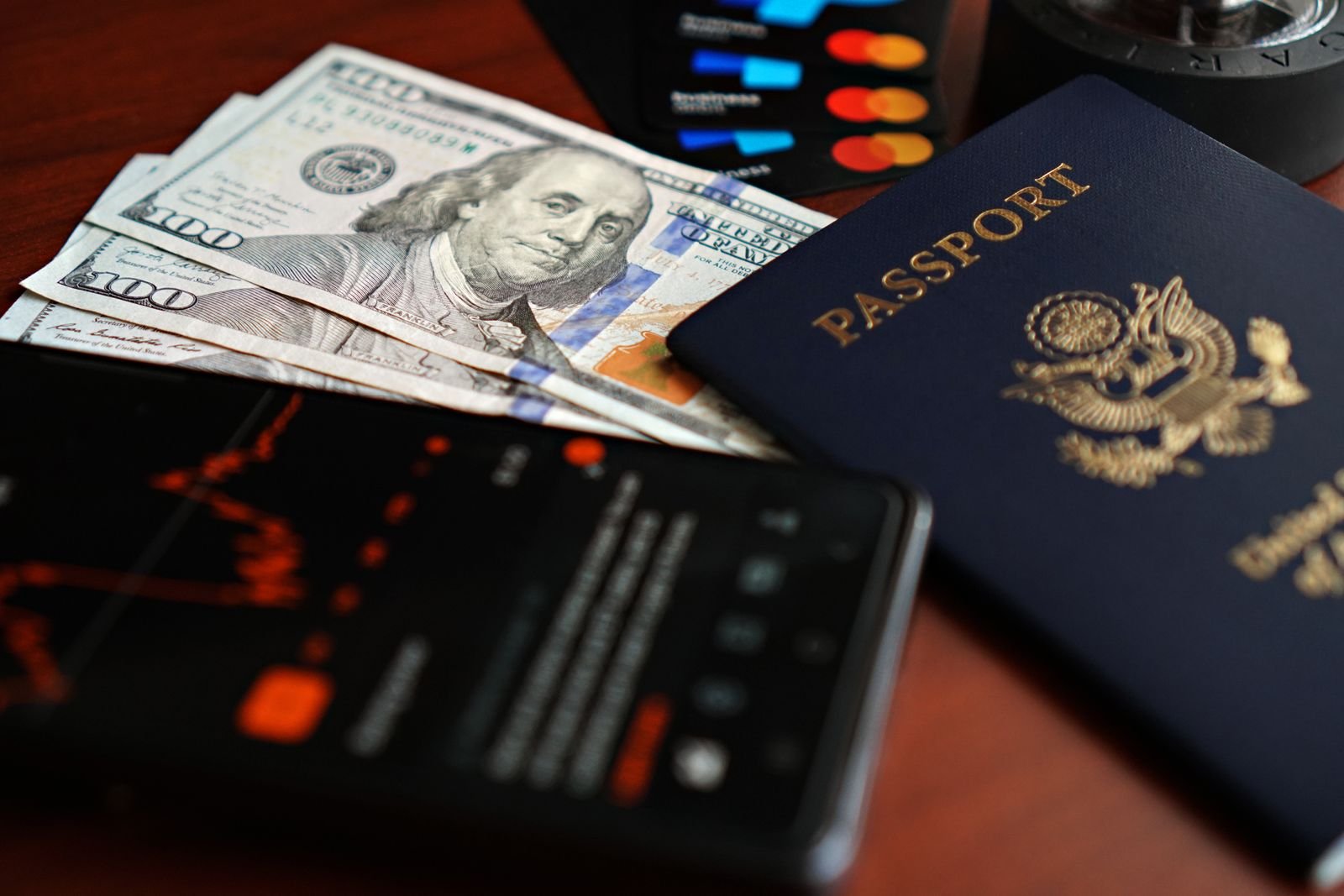
Carry enough cash for a day or two of small spending, and no more. For most destinations, one hundred to two hundred dollars in local currency is a sensible starting amount. You can always get more from an ATM, and carrying a large amount of cash makes you a target and turns a theft into a disaster.
Get your starting cash from an ATM after you arrive, not from a currency exchange counter at the airport. Airport counters offer the worst exchange rates and charge the highest fees. A bank ATM in the arrival hall gives you the interbank exchange rate, which is close to the best rate available anywhere. Use ATMs inside banks or well lit public areas, cover the keypad with your hand when you enter your PIN, and take your card and receipt right away.
Some cash is worth getting before you leave. If you are landing late at night, arriving in a small town, or heading straight to a taxi, having local currency in your pocket from the start removes a lot of stress. Your home bank can order foreign currency for you, usually in a few days, and the rate is better than an airport counter. Keep that cash separate from the cash you plan to use later in the trip, so you always know what you have left.
Digital Wallets: The Backup That Lives on Your Phone
Set up Apple Pay or Google Pay before you leave, and add the same cards you are carrying. In many cities you can tap your phone to pay for the subway, a coffee, or a museum ticket, even when your physical card is in the hotel safe. A digital wallet also keeps working if your wallet is stolen, because the phone is usually in your hand or your pocket, not in the bag that was taken.
Digital wallets add a layer of safety. They use a token instead of your real card number, so a shop never sees your actual details. If your phone is lost, you can lock it remotely and suspend the wallet from another device. Before you leave, make sure you know how to do that, and write down the phone number for your bank international support line on paper, so you can call it even if your phone is gone.
Not every place accepts phone payments, so do not treat a digital wallet as your only method. Rural areas, older shops, and some transport systems still want a physical card or cash. Think of the wallet as a backup and a convenience, not as a replacement for the card and cash in your bag.
The Fees to Avoid
Most of the money travelers waste abroad goes to four fees, and all four are easy to avoid once you know they exist. The first is the foreign transaction fee, covered above. The second is the ATM fee. Your home bank may charge a fee for using an ATM outside its network, and the foreign ATM may add its own fee. Look for a bank that refunds ATM fees, or withdraw larger amounts less often so you pay the fee fewer times.
The third fee is dynamic currency conversion. When you pay by card abroad, the terminal may ask if you want to pay in US dollars instead of the local currency. Always choose the local currency. Paying in dollars lets the shop or the terminal set the exchange rate, and that rate is almost always worse than the rate your bank would give you. The screen makes the dollar option look helpful. It is not.
The fourth fee is the cash advance fee. Taking cash from a credit card at an ATM counts as a cash advance, and it comes with a fee plus interest that starts the same day. Never use a credit card at an ATM. Use a debit card for cash, and use the credit card only for purchases.
Keeping Your Money Safe on the Road
Divide your money and store it in different places, every day, not just on the day you arrive. Keep a small amount of cash in your wallet for the day, and leave the rest in the hotel safe with your spare card. A money belt or a hidden pouch under your clothes works well for days when you are carrying more cash than usual, like the day you arrive or the day you take a long train journey.
Watch for the common scams. A common one is the helpful stranger at an ATM who watches you enter your PIN, then distracts you while a partner swaps your card. Another is the card reader that has been fitted with a skimmer to copy your card details. Use ATMs inside banks when you can, and if a card reader looks loose or bulky, walk away and find another one. Check your bank app every evening for charges you do not recognize, because catching fraud on the day it happens is far easier than disputing it weeks later. If you travel for work, the same daily check keeps your business spending tidy, and our guide to keeping track of business expenses without software explains a simple paper method that works anywhere.
Keep a small emergency fund that is separate from your daily money. Two hundred dollars in cash in your bag, or a third card you never use for normal spending, is enough. It is there for the night your wallet is stolen or your cards are blocked, and knowing it exists makes the whole trip less stressful. Tell someone at home where your money is, in general terms, so they can help if you lose everything at once.
What to Do Before You Leave: A Simple Checklist
Two weeks before your trip, check your cards. Confirm which ones charge a foreign transaction fee, and consider getting one that does not. Set a travel notice with your bank. Make sure your cards do not expire during the trip, and ask for replacements now if they do. Photocopy your passport and your cards, front and back, and keep the copies in your bag and email a set to yourself.
One week before, set up your digital wallet and test it at a local shop. Download your bank app and make sure you can log in without a text message, because your US phone number may not receive texts abroad. Download an offline map of your destination and a currency converter app, so you can check prices without data.
The day before, withdraw a small amount of local currency from your bank if you ordered it, or plan to use the airport ATM on arrival. Put one card and some cash in your wallet, the second card and the rest of the cash in your bag, and your phone in your pocket. Check that your passport is in the same bag as your boarding pass. That is the whole preparation, and it takes less than an hour spread across a week.
Keep every receipt and photograph each one with your phone as you go. Our guide to organizing digital receipts for a small business with your phone shows a quick method that works just as well for travel receipts. Plan for the landing too. Our guide to beating jet lag on a long haul flight without sleeping pills will help you arrive feeling human, which matters more than most people expect on a first long trip.
What to Do If Your Card Is Lost or Stolen
Act fast. Call your bank international support line right away and freeze the card. The number is on the back of the card, which does not help when the card is gone, so keep it written on paper in your bag and saved in your phone. Most banks can freeze a card in the app in seconds, and they can send a replacement to your hotel in many countries within two or three days.
Use your backup card and your emergency cash while you wait. If you have no backup card, your bank can often arrange an emergency cash transfer through a partner service, or a family member can send money through a transfer service to a local pickup point. File a police report if the card was stolen, because your bank may ask for the report number when you dispute any charges.
When you get home, check every statement for the trip. Look for charges you do not recognize, including small ones, because thieves often test a stolen card with a tiny purchase before they try a large one. Dispute anything unfamiliar right away. Most banks give you sixty days to dispute a charge, but sooner is always better.
Conclusion
The best way to carry money while traveling abroad is a simple split system, and it works because it never depends on one thing. A card with no foreign transaction fee does most of the work. A modest amount of cash covers the places cards do not reach. A digital wallet stands by as a backup. Keep the three methods in different places, avoid the four fees that waste the most money, and do the short preparation at home before you leave.
Daniel landed in Tokyo at ten at night, took the train into the city, and paid for his ticket with a card that charged no foreign fee. He bought a bottle of water from a machine with cash from the airport ATM, and he tapped his phone to pay for breakfast the next morning. Nothing went wrong, and that was the point. He spent the trip thinking about his sister wedding, not about his wallet, and that is exactly what a good money plan is for.
Frequently Asked Questions
How much cash should I carry when traveling abroad?
Carry enough for a day or two of small spending, usually one hundred to two hundred dollars in local currency. You can get more from an ATM when you need it. Carrying a large amount of cash makes you a target and turns a theft into a much bigger loss.
Should I exchange money before I travel or after I arrive?
Get a small amount before you leave if you are landing late or heading straight to a taxi, and get the rest from a bank ATM after you arrive. Avoid airport currency exchange counters, because they offer the worst rates and charge the highest fees.
Is it better to pay in US dollars or local currency abroad?
Always choose the local currency. When a terminal offers to charge you in US dollars, it uses dynamic currency conversion, and the exchange rate it sets is almost always worse than the rate your bank would give you. The dollar option looks helpful, but it costs you money.
Can I use Apple Pay or Google Pay abroad?
Yes, in most cities and in many shops, restaurants, and transport systems. Set the wallet up before you leave and add the same cards you are carrying. Treat it as a backup and a convenience, not as your only way to pay, because rural areas and older shops may still want a physical card or cash.
What should I do if my card is declined abroad?
Stay calm and try your backup card first. Then check your bank app for a fraud alert or a travel notice problem, and call the international support number if you need to. A card is often declined because the bank did not know you were traveling, and a two minute call usually fixes it.