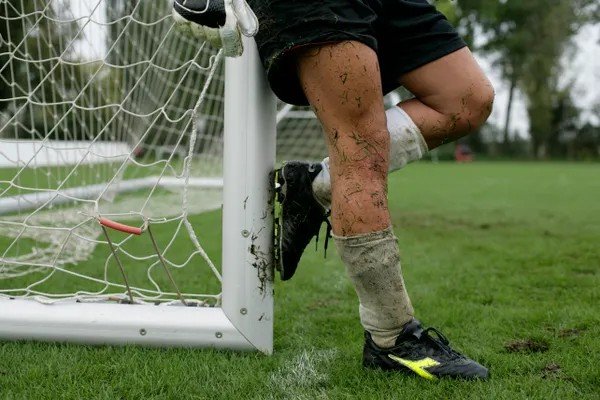
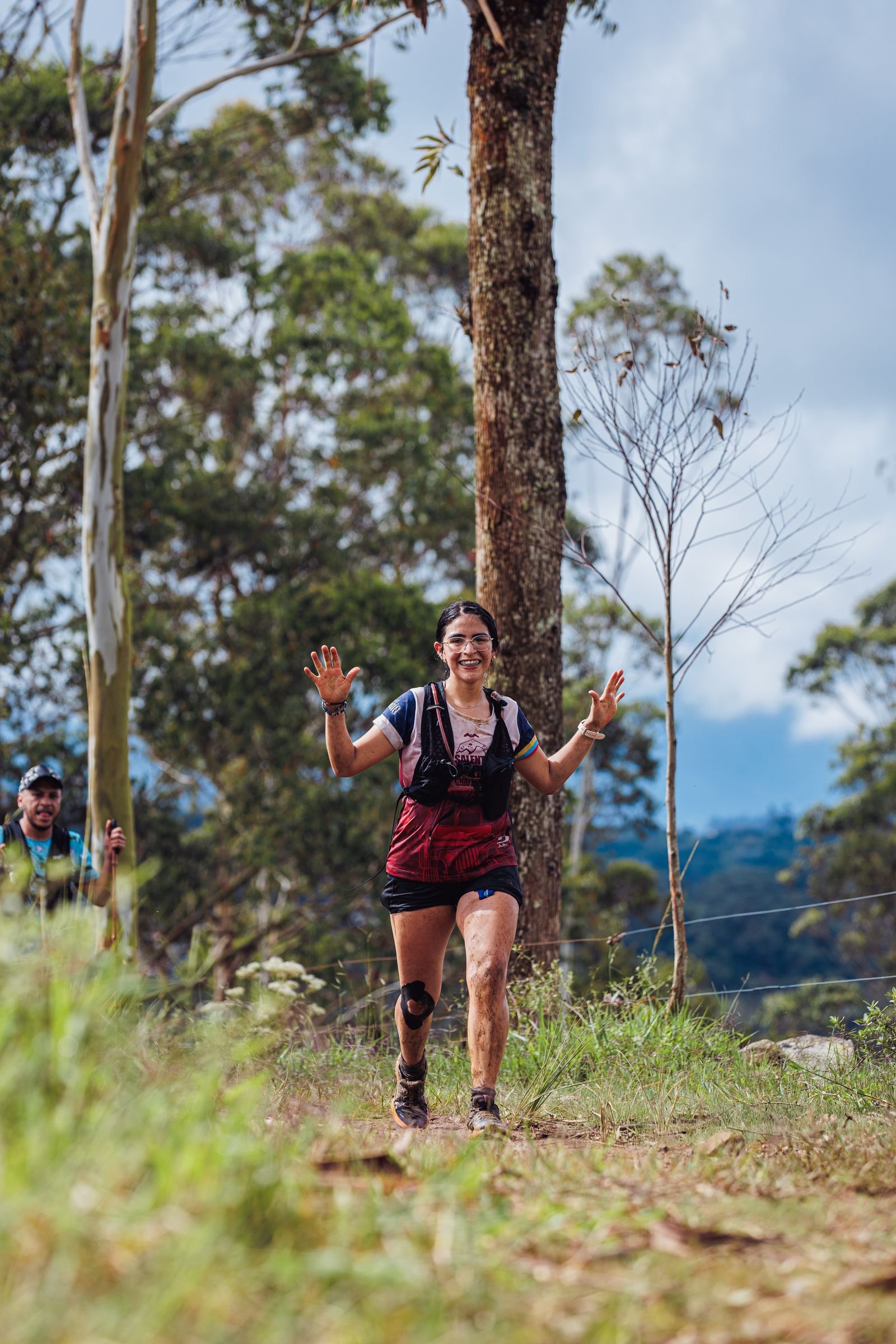
Sarah lives in Boulder, Colorado, and she loves the trails that wind through the foothills above town. Last spring she signed up for her first hilly trail race, a 10K with one long descent that drops nearly 800 feet in under two miles. The climbs felt fine. The flat sections felt fine. But every downhill stretch left her shins aching for days, and by race week she was dreading the descents more than the climbs.
If that sounds familiar, you are not alone. Downhill running is where shin splints most often show up, even for runners who never feel pain on flat ground. The good news is that learning how to stop shin splints when running downhill is mostly about changing how you move, not about buying expensive gear or giving up the trails you love. This guide walks you through why descents hurt your shins, the form fix that matters most, how to heal if your shins already hurt, and a simple plan to rebuild your downhill confidence over four weeks.
Why Downhills Punish Your Shins
Running downhill feels easier than running uphill because your heart rate drops and your breathing eases. Your legs tell a different story. On a descent, gravity pulls you forward and every footstrike has to brake your body weight. That braking force lands hardest on the muscles along the front of your shin, the tibialis anterior, which works overtime to keep your foot from slapping down onto the trail.
On flat ground, your foot lands close to your body and the load spreads out. On a steep downhill, most runners do the opposite without thinking. They reach their leg far out in front, land hard on the heel, and let the leg act like a brake. That long reaching stride is called overstriding, and it is the single biggest reason downhill running hurts your shins. Each heavy heel strike sends a jolt up the front of the lower leg, and after hundreds of steps the tissue around the shin bone gets irritated and sore.
Speed makes it worse. The faster you descend, the harder each braking step becomes. New trail runners often try to run downhill at the same pace they run on flat ground, or they lean back to slow themselves down, which pushes the foot even further ahead of the body. Leaning back feels safe because it feels like control, but it actually increases the braking load on your shins with every step.
Surface matters too. Hard packed dirt, rocky trails and paved downhill roads all send more shock up the leg than soft grass or a pine needle covered path. That does not mean you should avoid firm trails. It means your form has to do more of the work when the surface is hard, and that is exactly what the rest of this guide teaches you to do.
What Shin Splints Really Are
Shin splints is the common name for pain along the front or inside edge of the shin bone, and doctors often call it medial tibial stress syndrome. It is not one single injury. It is an umbrella term for irritation of the muscles, tendons and bone tissue around the shin, usually caused by doing too much too soon or by repeating a stressful movement pattern like heavy heel striking on descents.
There are two broad types worth knowing about. Anterior shin splints cause pain along the front of the shin, and they are the type most downhill runners feel, because the muscles at the front of the shin work hardest to control the foot on descents. Posterior shin splints cause pain along the inner edge of the shin bone, lower down, and they are more often linked to flat feet, worn out shoes or a sudden jump in mileage.
Most shin splints are an overuse problem, not a sign that something is broken. The tissue gets irritated, it needs time and a lighter load to settle, and then it needs to be strengthened so the same load does not hurt it again. That cycle of rest, fix the cause, then rebuild is the whole plan in this article. Pain that is sharp, focused on one small spot on the bone, or that hurts when you walk or at night is different, and it should be checked by a doctor or physical therapist promptly. This article offers general information only and is not a diagnosis.
How to Stop Shin Splints When Running Downhill Starts With Shorter Steps
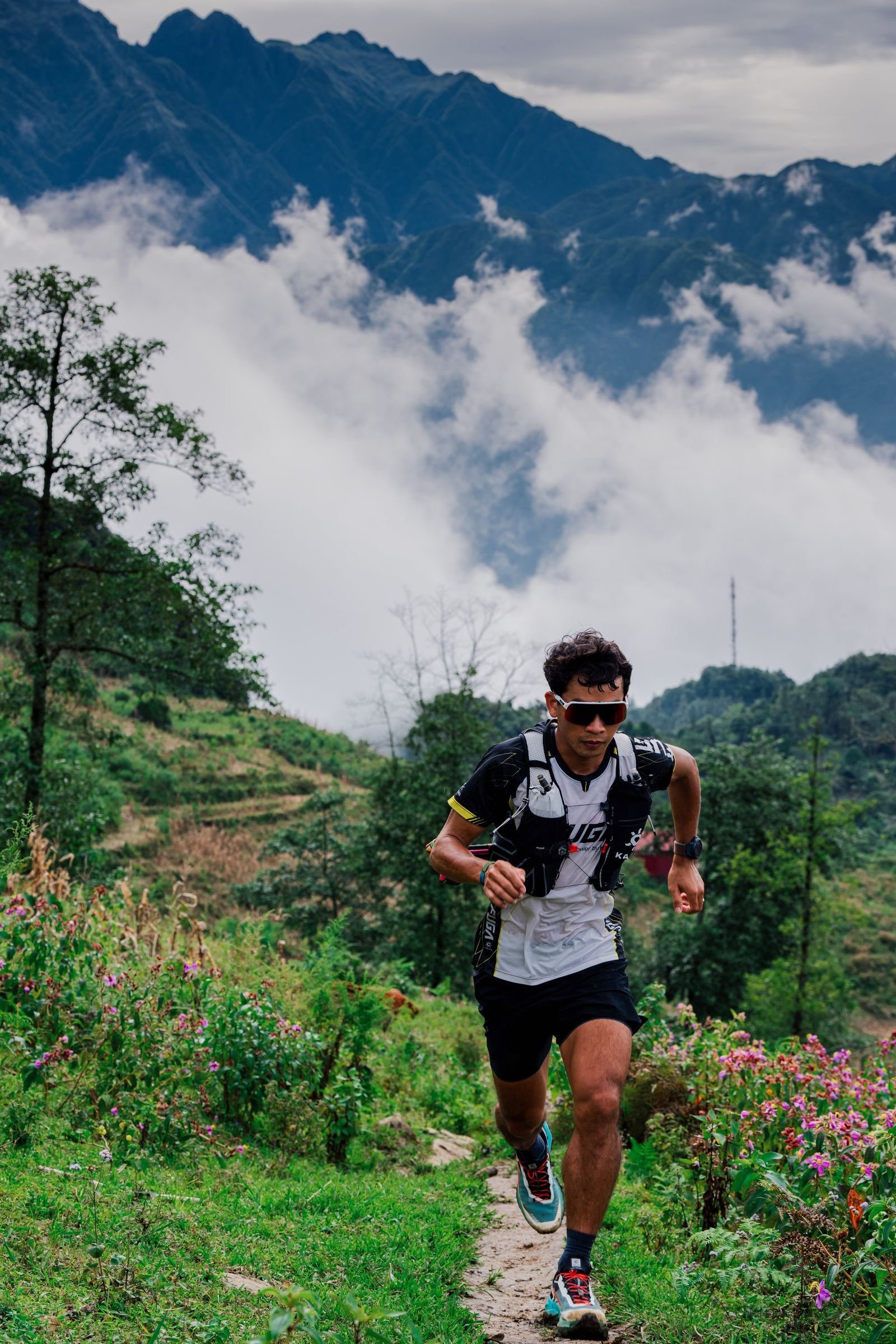
Here is the fix that matters more than any shoe, sleeve or supplement. Shorten your stride on downhills and take quicker, lighter steps. When your foot lands underneath your body instead of far out in front, the braking force drops sharply, and your shins stop absorbing a hard jolt on every step. Coaches often suggest aiming for around 180 steps per minute on descents, which feels quick at first, but that faster rhythm is what keeps your feet close to your center of gravity.
Try this on your next downhill. Before the slope starts, remind yourself to run small. Think of your feet as wheels rolling under you rather than brakes reaching out ahead of you. Keep your steps short enough that you could stop at any moment without stumbling forward. If you hear your feet slapping the trail, your stride is too long and your foot is landing too far ahead. Quiet feet are a good sign. You want a soft patter, not a thud.
Your posture helps too. Lean slightly forward from the ankles, not from the waist, so your body stays over your feet. A small forward lean lets gravity do some of the work and keeps your foot landing close to your body. Keep your arms relaxed and slightly out to the sides for balance, like a tightrope walker using a pole. Many runners hold their arms stiffly at their sides on descents, and that stiffness travels down into the legs.
Land on the middle of your foot rather than slamming down on your heel. You do not need to force a forefoot landing, and on steep rocky trails that can strain your calves. Aim for a flat, soft landing under your body, with your knee slightly bent to absorb the impact. Think of your knee as a spring. A locked straight leg sends shock straight up into the shin, while a soft bent knee soaks it up.
Practice this on a gentle slope first. Find a short grassy hill in a park and run down it slowly, counting your steps. Try 30 seconds of short quick steps, walk back up, and repeat it four times. Pay attention to how your shins feel the next day. Most runners notice the difference within two or three practice sessions, because the change in load is immediate even though the strength gains take longer.
Fix Your Landing Before You Buy New Shoes
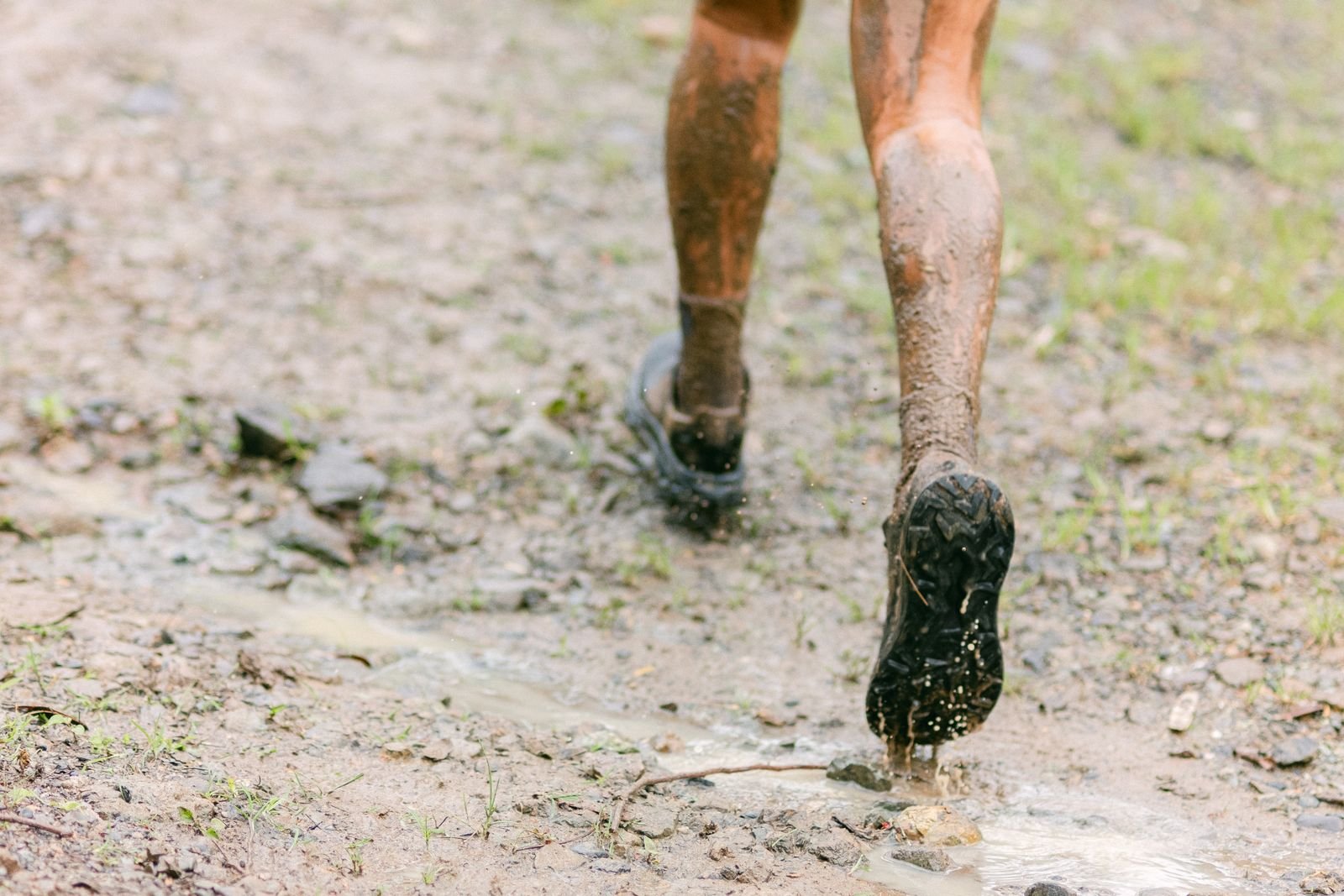
It is tempting to blame shin splints on your shoes, and sometimes shoes do play a part. A shoe with a very high heel to toe drop can encourage heel striking, and a shoe that is worn flat on one side can change how your foot lands. But for most downhill runners, form is the bigger problem, and a new pair of shoes will not fix a stride that reaches too far ahead of the body.
Before you shop, do a simple check. Look at the wear pattern on the soles of your current running shoes. Heavy wear on the outer heel with almost no wear under the middle of the foot usually points to overstriding and hard heel striking. Even wear across the sole suggests your landing is already fairly balanced. If your shoes have more than 400 miles on them, the cushioning may be compressed, and a fresh pair is a fair idea, but treat it as a supporting change, not the main fix.
When you do choose trail shoes, look for good grip, a secure fit around the heel, and enough cushioning to take the edge off rocky descents without feeling unstable. A moderate heel to toe drop of around 6 to 10 millimeters suits most recreational runners. Very low drop shoes can load the calves and Achilles heavily on steep descents, so do not jump to a minimal shoe in the hope that it cures shin pain. Change one thing at a time so you can tell what actually helped.
Trail running poles can help on very long or steep descents, especially in races where the downhills go on for miles. Poles take some of the braking load off your legs and give you extra balance on loose ground. They are not necessary for most runners, and they take practice to use well, so treat them as an option for mountain races rather than a first step for everyday shin pain.
Heal First When Your Shins Already Hurt
If your shins are sore right now, the form fixes above will not help until the irritation settles. Running through shin pain usually makes it worse, because each downhill step adds load to tissue that is already unhappy. The smart move is a short break from running, then a gradual return built around the new form you just learned.
Start with two or three days of no running at all. Walk, swim or ride a bike if you want to stay active, since those activities load the shins far less than running downhill. Ice the sore area for 10 to 20 minutes after activity, using a bag of frozen peas wrapped in a thin towel, and keep the leg raised on a pillow when you rest. Gentle calf stretching helps too. Stand facing a wall, step one foot back, keep the back heel on the ground, and lean in until you feel a mild pull in the calf. Hold it for 30 seconds and repeat it three times on each leg.
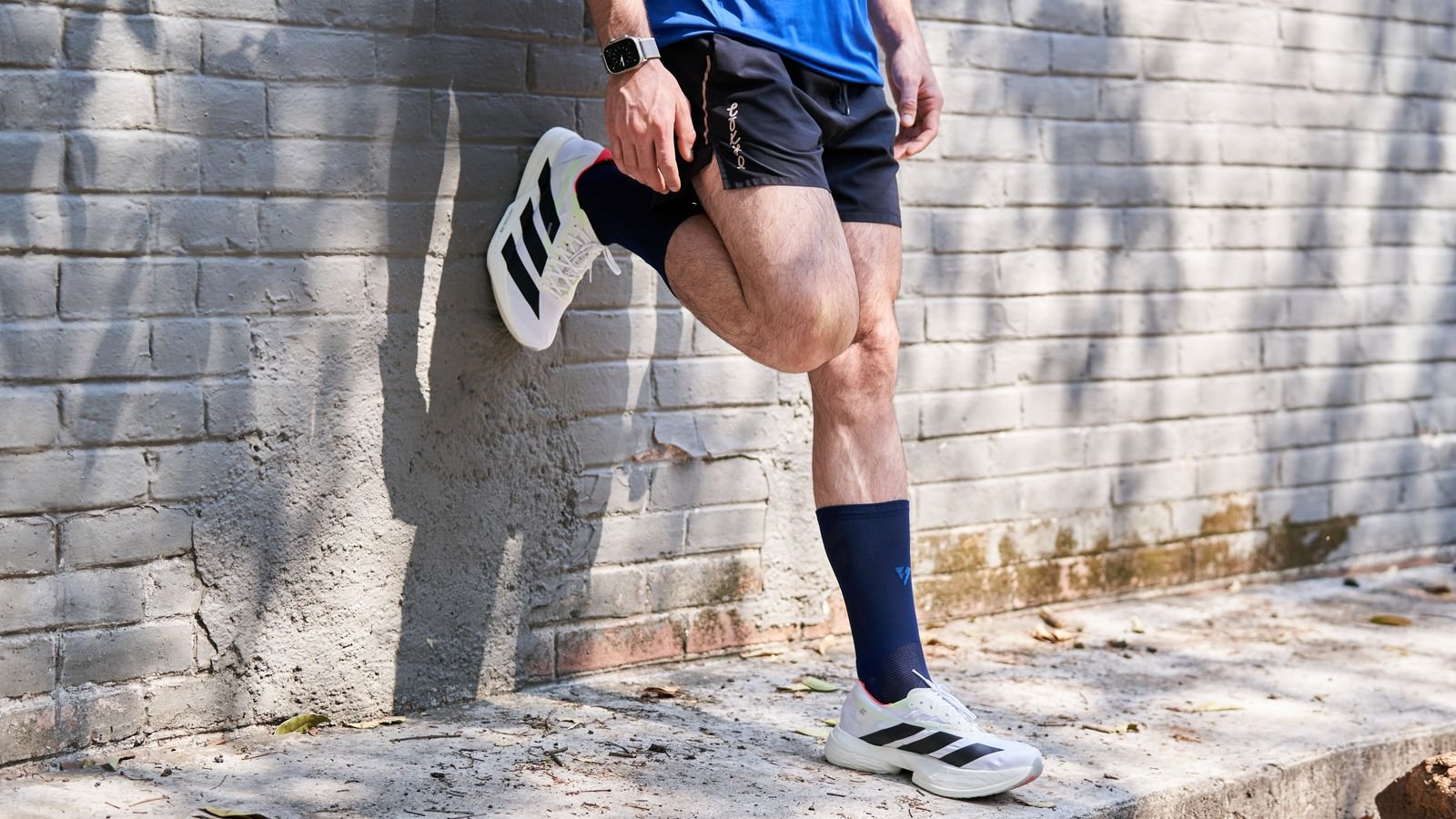
When the pain has eased to a mild ache that fades quickly after activity, try a walk run session on flat ground. Walk for 4 minutes, jog gently for 1 minute, and repeat that cycle for 20 to 30 minutes in total. If your shins feel fine the next morning, you can add a little more jogging time in the next session. If the pain flares up again, go back to walking for a few more days. Patience here saves weeks later, because a shin problem that is rushed often comes back worse.
During this healing window, look after the rest of your lower legs as well. Tight calves pull on the tissues around the shin, so regular gentle stretching and a foam roller session a few times a week can help. If your feet and lower legs tend to swell after hard efforts or long days on your feet, our guide on how to reduce swelling in feet after a long flight covers simple recovery steps, like elevation and gentle movement, that also help runners after a tough downhill session.
See a doctor or physical therapist promptly if the pain is sharp and focused on one spot, if it hurts to walk or hop on one leg, if the shin looks swollen or feels hot, or if the pain has not improved after two weeks of rest and gentle care. A stress fracture feels different from ordinary shin splints, and it needs proper medical care, not more mileage.
Build Shins That Can Handle Downhills
Once the pain has settled, strength work is what keeps it away. The muscles along the front of your shin are small, and most runners never train them directly. A few simple exercises, done two or three times a week, can make a real difference within a month.
Start with toe raises. Sit in a chair with your feet flat on the floor, then lift the front of both feet toward your shins while keeping your heels on the ground. Hold for two seconds at the top, lower slowly, and repeat 15 times. When that feels easy, do the same exercise standing, and then try it on one leg at a time. This directly trains the tibialis anterior, the muscle that controls your foot on descents.
Calf raises come next. Stand on a step with your heels hanging off the edge, rise up onto your toes, hold for two seconds, and lower slowly until your heels drop just below the step. Do three sets of 12. Strong calves share the braking load with your shins, so the front of the leg does not have to do all the work alone. Add single leg balance work as well. Stand on one foot for 30 seconds, then switch sides, and repeat three times. When that feels easy, close your eyes or stand on a cushion to make it harder. Good balance means fewer wobbles and awkward landings on uneven trails.
You can fold these moves into a short home routine. Our guide to the best group exercises at home has simple ideas for turning solo strength work into a shared session, which helps if you train with a running partner or a friend. Two short strength sessions a week, about 15 minutes each, are enough. The key is consistency, not intensity, so pick days you will actually stick to and keep the routine simple.
Shoes, Surfaces and Route Choices
Smart route planning is an underrated part of stopping shin splints. If every run you do ends with a steep descent on hard ground, your shins never get a break. Mix up your routes. Run one hilly session a week and keep the rest of your runs mostly flat, or choose trails with gentler grades while you rebuild. A dirt path or a grassy park trail is kinder to sore shins than a paved downhill road, so pick the softer option when you have the choice.
Warm up before you hit the hills. Ten minutes of easy jogging on flat ground, plus a few leg swings and gentle calf stretches, gets blood flowing to the shin muscles before they face the extra load of a descent. Cold, tight muscles absorb shock poorly, and many runners feel shin pain worst in the first downhill of a run, when the legs are still warming up.
Pay attention to your weekly mileage too. A sudden jump in distance or a new hilly race on the calendar is a classic trigger for shin splints. The old rule of thumb still holds: increase your total weekly running by no more than about 10 percent per week, and add hills gradually rather than all at once. If you ran 15 miles last week, aim for no more than about 17 miles this week, and keep the extra miles mostly flat.
A Simple 4 Week Plan to Rebuild Downhill Confidence
Here is a straightforward plan that brings the whole guide together. It assumes your shins have settled to a mild ache or no pain at all. If pain flares up at any stage, stay on that stage for another week before moving on.
Week 1 is about form on flat ground. Run three easy sessions on flat routes, and practice short quick steps with a soft landing in each one. Do the toe raises, calf raises and balance work twice during the week. No hills yet.
Week 2 adds gentle slopes. Keep your flat runs, and add one short downhill practice session on a grassy slope, running down slowly for 30 seconds and walking back up, repeated four times. Keep the total downhill time short and stop if your shins complain.
Week 3 adds a real trail descent. Choose a trail with a moderate downhill of about half a mile. Run it with the short stride and forward lean you practiced, then walk the rest of the route. Keep your strength work going twice a week.
Week 4 is your test. Run a hilly route with two or three descents, at an easy pace, and check how your shins feel the next morning. If they feel fine, you can start adding more downhill volume, a little at a time. If they ache, repeat week 3. Most runners who follow this patient approach find that descents stop hurting and start feeling fun again, which is exactly the point.
Mistakes That Bring Shin Splints Back
The most common mistake is returning to steep descents too soon. Your shins feel better after a week of rest, so you run your old hilly loop at full speed, and the pain comes straight back. Feeling better is not the same as being healed, so let the four week plan do its work even when you feel impatient.
The second mistake is changing everything at once. New shoes, new insoles, a new running style and a new strength routine all in the same week leaves you with no idea what helped and no idea what hurt. Change one thing at a time and give each change a week or two to show its effect.
The third mistake is ignoring the warning signs. A dull ache after a run that fades by morning is normal when you are building back. Pain that grows during a run, pain that changes how you walk, or pain that is still there the next morning is your body asking for more rest. Listen early and you will lose days. Ignore it and you may lose weeks.
Frequently Asked Questions
Why do my shins hurt only when I run downhill?
Downhill running forces your shin muscles to brake your body weight on every step, which loads them far more than flat running. Overstriding and hard heel striking make that braking load even bigger, so pain often appears on descents first.
How long should I rest shin splints before running again?
Most mild cases settle with a few days of no running, followed by a gradual walk run return over one to two weeks. If pain is still strong after two weeks of rest, see a doctor or physical therapist.
Can I keep running with shin splints?
You can usually keep moving with walking, swimming or cycling, but running through shin pain often makes it worse. A short break and a gradual return is faster in the long run than pushing through the pain.
What exercises stop shin splints from coming back?
Toe raises for the shin muscles, calf raises for the calves, and single leg balance work for stability, done two or three times a week. Pair the strength work with shorter, quicker steps on descents.
Do I need new running shoes to fix shin splints?
Usually not. Form is the bigger factor for most runners. Replace shoes that are worn out or have more than 400 miles on them, but fix your stride first and treat new shoes as a supporting change.
Enjoy the Downhills Again
Sarah finished her trail race in Boulder with a smile, and the downhill that once scared her became her favorite part of the course. She did not get there by buying special gear or by running through the pain. She shortened her stride, quickened her steps, let her shins heal, and rebuilt her downhill skill a little at a time. That is the whole secret of how to stop shin splints when running downhill: fix the form, heal first, then strengthen and progress gradually.
Start with one change on your next run. Shorten your steps on the first descent and listen to your feet. If they land softly and quietly, you are already on the right track. Keep the strength work going twice a week, plan your routes so descents build up slowly, and respect the warning signs when your shins ask for a break. Your shins will thank you, and the trails will feel like fun again.
Please note that this article is general information for recreational runners and is not medical advice. If your shin pain is severe, focused on one small spot, or does not improve with rest, please see a doctor or physical therapist for a proper assessment.