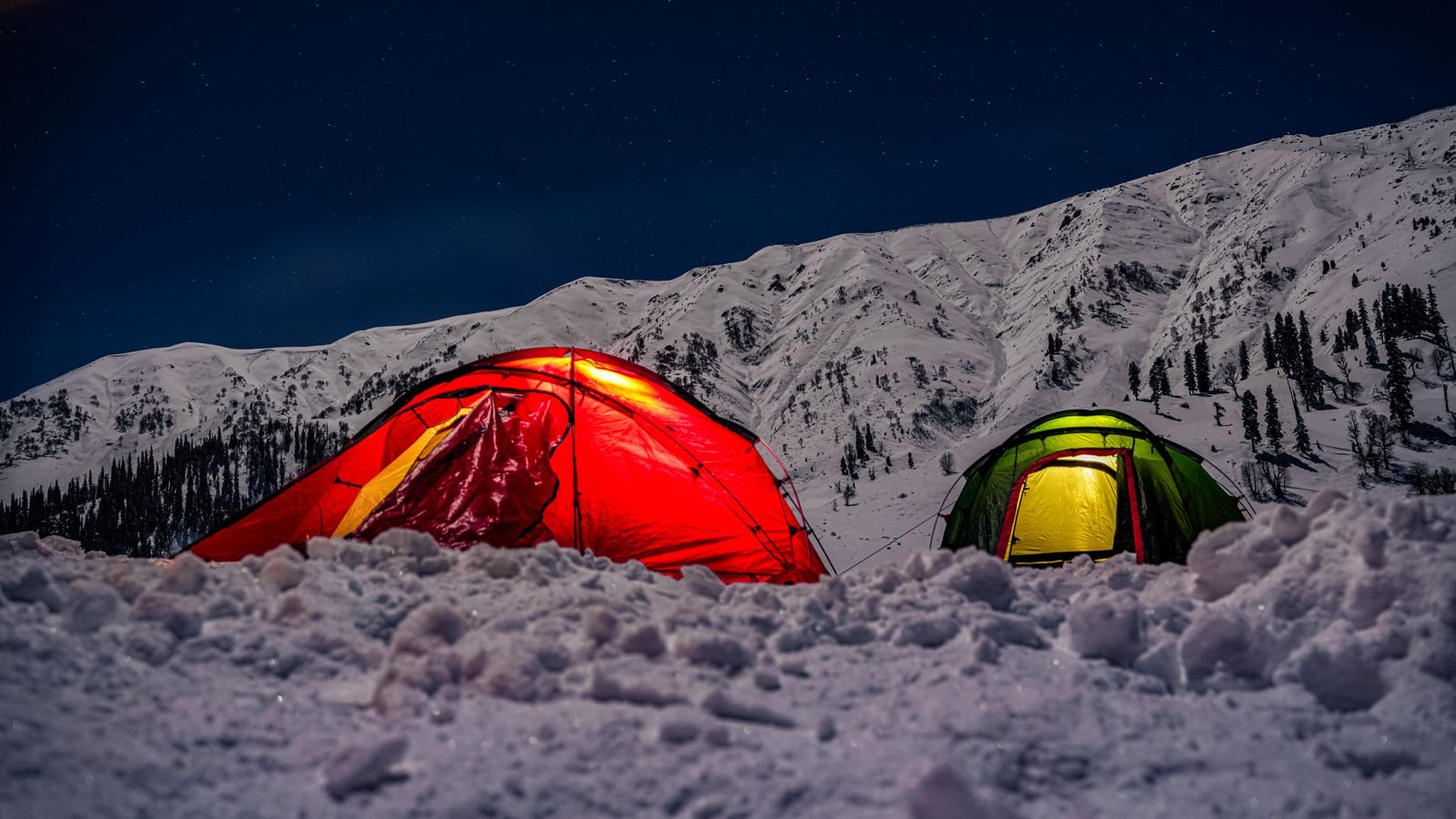
My first winter camp in the Peak District taught me everything I know about how to keep a tent warm in winter UK style, and it taught me the hard way. It was the first weekend in February, the sky was clear, and the forecast said minus 3 degrees overnight. I had a decent sleeping bag, a thick jumper, and a lot of confidence. By 2 in the morning I was awake, cold from below, damp from above, and staring at frost forming on the inside of the tent. I survived the night, but only just, and I spent the next year learning what actually works.
The good news is that staying warm in a tent in winter is a system, not a mystery, and it does not need expensive kit. The three things that matter most are the ground beneath you, the damp in the air, and going to bed warm in the first place. Get those three right and an ordinary three season tent will carry you through a cold British night. Get them wrong and no sleeping bag on earth will save you.
Why a tent gets so cold in winter
A tent is not a house. It has thin walls, no heating, and no insulation worth the name. When the temperature drops outside, the temperature inside follows within an hour or two. Most new winter campers blame the sleeping bag. In my experience the bag is rarely the problem.
Cold reaches you in three ways. First, the ground steals heat from your body all night long. The earth under a tent in February is cold and often wet, and it pulls warmth out of you far faster than cold air does. Second, your own breath fills the tent with moisture, and that moisture condenses on the cold fabric and drips back onto you. Damp gear loses its warmth fast. Third, draughts creep in through vents and door zips and carry away the small pocket of warm air your body has made.
Once you understand those three routes, the fixes make sense. You insulate yourself from the ground, you manage the damp, and you protect the warm air you have. Everything in this guide does one of those three jobs.
Start with the ground, not the sleeping bag
If you remember one thing from this article, make it this. The mat under you matters more than the bag over you. A sleeping bag works by trapping warm air in its filling. The moment you lie on it, the filling underneath you is squashed flat, and it stops insulating. At that point the only thing between you and the cold ground is your mat.
Sleeping mats are rated by R value, a number that measures resistance to heat loss. A higher number means better insulation. For a summer camp an R value of 1 or 2 is fine. For winter camping in the UK you want a mat rated 4 or higher, and 5 is better still if you camp on frozen ground. Check the rating before you buy, because many cheap mats sold for festivals are rated around 1 and are useless in February.
If you already own a summer mat, do not rush to replace it. Stack two mats and their R values add together. A closed cell foam mat under an inflatable mat is a classic combination, and it costs far less than one premium winter mat. The foam mat costs about £15 to £25, it cannot puncture, and it doubles as a seat around the campfire. Put the foam mat underneath and the inflatable mat on top, so the inflatable mat is protected from sharp stones.
A tent carpet or a layer of interlocking foam floor tiles adds another small barrier between you and the cold groundsheet, and it makes the whole tent feel warmer underfoot in the morning. A fitted tent carpet costs around £25 to £40 for a two person tent. It is not essential, but on a long cold weekend it is one of the best value comfort upgrades you can buy.
Choose the right sleeping bag and liner
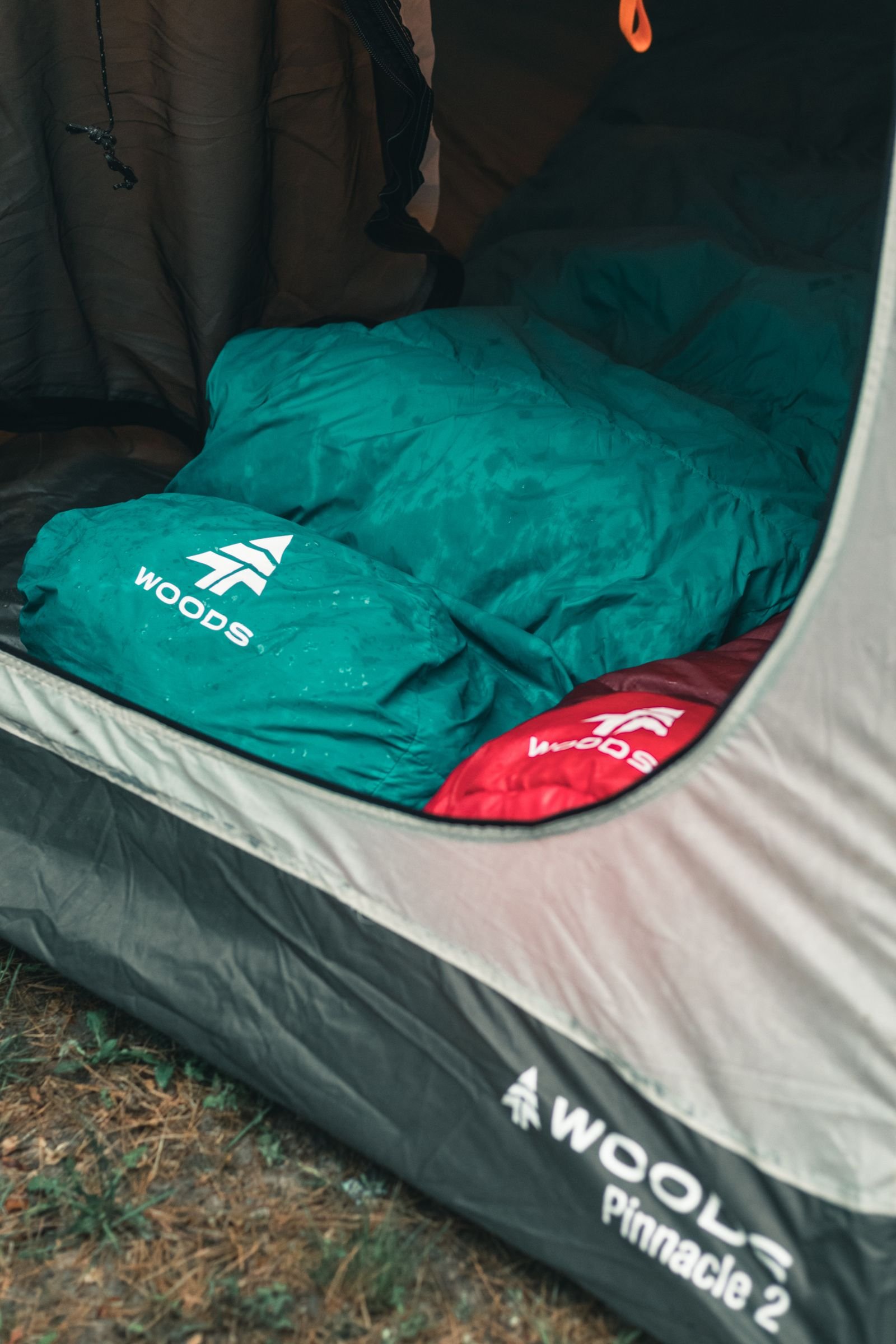
With the ground sorted, the sleeping bag can do its job. Sleeping bags carry two temperature ratings, a comfort rating and a limit rating. The comfort rating is the temperature at which an average sleeper stays comfortable. The limit rating is the lowest temperature at which a warm sleeper can survive the night. Always buy on the comfort rating, not the limit rating. A bag with a limit of minus 5 and a comfort of 0 will leave you cold on a minus 2 night in the Peak District.
For UK winter camping, look for a bag with a comfort rating around minus 2 to minus 5 degrees. Down filling gives the most warmth for its weight and packs small, but it must stay dry, because wet down loses almost all of its insulation. Synthetic filling is heavier and bulkier, but it keeps working when damp, which matters in British weather. If you camp in rain and condensation, synthetic is the safer choice. A decent winter bag costs £80 to £200, and it is the single most important purchase in your kit.
A sleeping bag liner adds several degrees of warmth for very little money or weight. A thermal or fleece liner costs £20 to £35, keeps your bag cleaner, and can be pulled out on milder nights. On a really cold night, wear your liner like a second skin inside the bag. It is a cheap trick that genuinely works.
Couples can zip two compatible bags together to share body heat, which helps a lot on cold nights. Check that the zips match before you buy, because not all bags zip together. If they do not match, sleep close together with the bags touching, which still helps.
What to wear to bed in a tent
Never wear the clothes you walked in to bed. They are damp with sweat, and damp fabric steals heat all night. Keep a dry set of clothes just for sleeping, sealed in a dry bag during the day. Clean base layers, dry socks, and a warm hat are the essentials. A surprising amount of heat leaves through your head, and a fleece lined beanie also protects you if condensation drips from the tent roof.
Wear loose layers rather than tight ones. Tight clothing squeezes the blood flow to your hands and feet, and cold feet are the most common complaint on winter camps. A pair of thick dry socks, or even two pairs if your boots allow it, makes a real difference. Keep tomorrow morning clothes inside your sleeping bag overnight, so they are warm when you put them on and your bag has a little extra insulation around it.
Avoid cotton. Cotton holds moisture and dries slowly, which is the opposite of what you want in a cold tent. Merino wool or synthetic base layers cost more, but they stay warm when damp and they dry quickly. A merino base layer set costs around £30 to £50 and lasts for years.
Pick your pitch like it matters, because it does
Where you pitch the tent can change the temperature inside by several degrees. That is the first lesson of learning how to keep a tent warm in winter UK weather: the site you choose matters as much as the kit you bring. Wind strips heat from the flysheet and drives cold through every gap, so tuck in behind a wall, a hedge, or a bank, with the low end of the tent pointing into the prevailing weather. A sheltered pitch can be several degrees warmer than an exposed one a few metres away.
A smaller tent traps warmth far better than a large one, because your body has less air to heat. A two person tent with two people in it will always feel warmer than a six berth tent with the same two people rattling around inside. In winter, pick the smallest tent that fits you and your kit.
Choose ground that is flat, dry, and free of stones. Avoid hollows where cold air pools overnight, and avoid the bottom of a slope where rainwater collects. If the ground is frozen, clear any sharp stones before you pitch, because they can puncture an inflatable mat. Pitch early, while you still have daylight, so you are not fumbling with poles in the dark and cold.
Check the rules of the site before you go. Many UK campsites close in winter, and wild camping is only legal in most of England and Wales with the landowner permission. The Peak District, the Lake District, and Snowdonia all have campsites that stay open through winter, and booking ahead is wise, because the open ones fill up on clear weekends.
Warm yourself up before you get in the bag
The best sleeping bag in the world cannot warm a cold body. It can only trap the heat you bring into it. So go to bed warm. Do a few minutes of light activity before you turn in, eat something hot and filling, and have a hot drink. A mug of tea or hot chocolate and a bowl of pasta or stew will raise your core temperature far more than any gadget.
A hot water bottle is the oldest trick in the book, and it still works. Fill one with boiling water from your camp stove, wrap it in a sock so it does not burn you, and put it at your feet inside the sleeping bag. It costs about £5, weighs almost nothing, and gives you two or three hours of gentle warmth while you drift off. On a cold night, it is the best £5 you will spend.
Keep a snack and a drink within reach of your sleeping bag. If you wake up cold at 3 in the morning, a few biscuits and a sip of water from a bottle kept inside the bag will help your body make heat again. A bottle kept outside the bag may freeze, so keep it inside with you.
Heaters in tents: the safety rules that matter
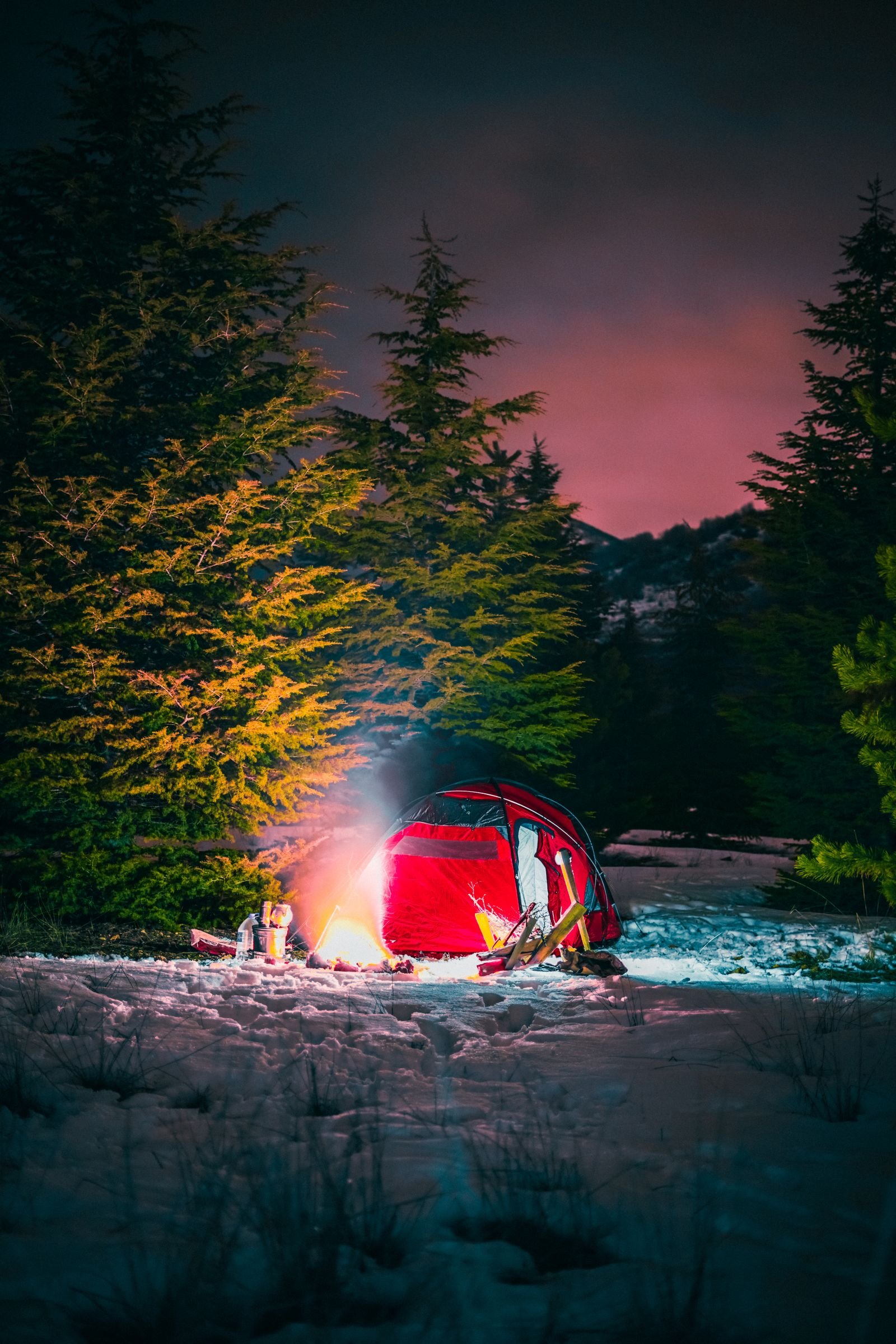
This is the section to read twice, because getting it wrong can kill you. Never run a gas heater, a camping stove, or any naked flame inside a closed tent, and never leave one running overnight. Burning gas in a small sealed space produces carbon monoxide, a colourless and odourless gas that can kill in your sleep. Every year in the UK, campers are harmed by carbon monoxide from heaters and stoves used inside tents. It is not worth the risk.
Do not cook inside your tent either, for the same reason and because of the fire risk. Tent fabric burns fast, and a knocked over stove in a small tent leaves nowhere to go. Cook outside, or in the porch with the door open and the stove well away from the fabric, and never leave a lit stove unattended.
Safe ways to add warmth are the ones that do not burn anything. A hot water bottle, a good mat, a proper bag, dry clothes, and a warm meal are all safe. Battery powered heated blankets and heated sleeping bag liners exist, and they are safe if used as the instructions say, but they are heavy and expensive, and most campers do not need them. If you are cold, add insulation and go to bed warm, rather than reaching for a heater.
Beat condensation before it beats you
Two people breathing overnight put a surprising amount of water vapour into a small tent. When that vapour hits the cold flysheet it condenses, and by morning the inside of the tent can be wet enough to drip. That damp then chills you and your gear, and it is the main reason winter campers wake up cold at 4 in the morning.
The fix is ventilation, which feels wrong on a cold night but works. Keep the vents open a little, even in winter, and leave a small gap at the top of the door if the weather allows. The moving air carries moisture out before it can condense. If your tent has a porch, keep wet boots and damp clothes there, not inside the sleeping area.
Wipe the inside of the flysheet with a small microfibre cloth before bed and again in the morning. It takes two minutes and keeps the worst of the drips off your bag. The same damp problem affects houses, and the principles are the same: find the moisture, improve the airflow, and dry the space out. Our guide to getting rid of a damp smell in the house explains the same ideas for a home, and they work just as well in a tent.
Pack a small dry bag for anything that must stay dry, like your phone, your tomorrow clothes, and your sleeping bag liner. If your bag does get damp, air it at the first chance of sun, even for half an hour, because a damp bag loses warmth fast.
The morning after: getting out without freezing
Morning is the hardest part of a winter camp. The bag is warm, the tent is freezing, and the idea of putting on cold boots feels impossible. The trick is to have a plan before you fall asleep. Keep your morning clothes inside the bag, your boots in the porch with dry socks stuffed inside them, and your stove and kettle ready to go.
When you wake, sit up in the bag and do a few stretches to get the blood moving. Put on your warm clothes while still half inside the bag, then get out quickly and get the kettle on. A hot drink within ten minutes of waking changes the whole morning. Eat something warm, even if it is only instant porridge, before you start packing away.
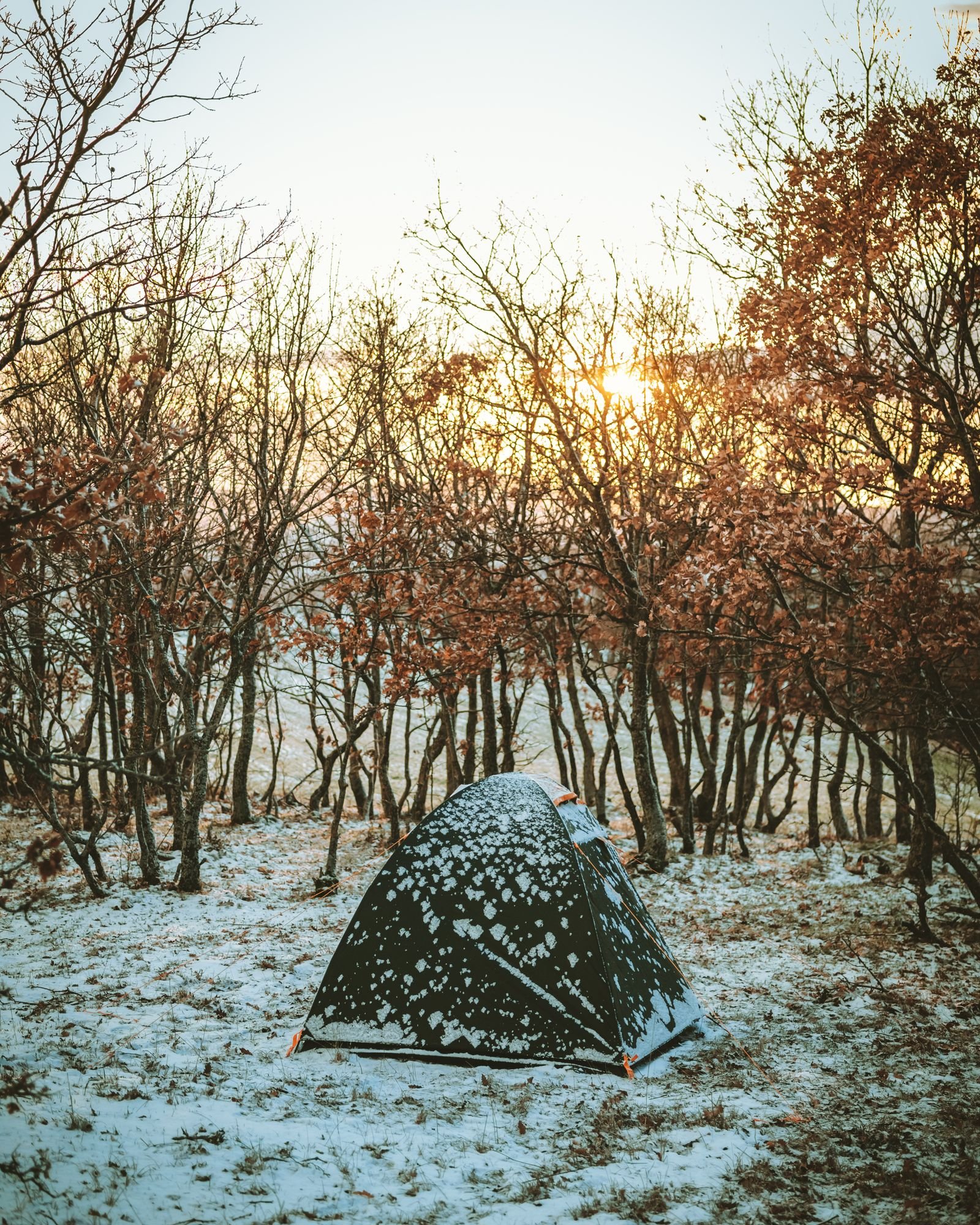
Pack the tent last if you can, and give it a chance to dry in the morning sun. Shake off frost and brush off snow before you fold it, because packing a wet tent means unpacking a wet tent next time. If you must pack it wet, open it out to dry as soon as you get home. A tent left damp in its bag will grow mould within days.
A simple winter camping checklist with UK prices
Here is the kit that makes a cold night comfortable, with the prices you can expect to pay in the UK. You do not need all of it at once. Start with the mat and the bag, then add the rest over time.
- Sleeping mat with an R value of 4 or higher, or two stacked mats: £40 to £120
- Winter sleeping bag with a comfort rating near minus 2 degrees: £80 to £200
- Sleeping bag liner, thermal or fleece: £20 to £35
- Closed cell foam mat to stack underneath: £15 to £25
- Tent carpet or foam floor tiles: £25 to £40
- Hot water bottle: about £5
- Merino or synthetic base layers for sleeping: £30 to £50
- Dry bags for clothes and electronics: £10 to £20 for a set
- Microfibre cloth for wiping condensation: £2
- Head torch with spare batteries: £10 to £25
Packing all of this into a small bag is a skill of its own. Our guide to packing light for a weekend trip shows how to fit more into less space, and the same rolling and compression tricks work for camping kit. The sleep system goes in first, because it is the last thing you need at night and the first thing you want in the morning.
How to keep a tent warm in winter UK: the short version
Learning how to keep a tent warm in winter UK conditions comes down to three habits. Insulate yourself from the ground with a good mat, because the ground steals more heat than the air. Manage the damp with ventilation and dry clothes, because wet gear cannot keep you warm. And go to bed warm, with hot food and a hot drink inside you, because a sleeping bag can only keep the heat you bring into it.
My cold night in the Peak District taught me that winter camping is not about suffering, and it is not about buying the most expensive tent. It is about a simple system, done properly, every time. The next time I camped in February, on a frosty site near Edale with the same tent and a better mat, I slept through the night and woke to frost on the flysheet and sunshine on the hills. The tent was cold. I was not. That is the whole point.
Start small. Pick a campsite close to home, check the forecast, and try one cold night with the kit you already own plus a decent mat. You will learn more from one real night out than from a dozen articles, and you will come home with a story of your own.
Frequently asked questions
Can you use a heater in a tent in winter?
No, not safely overnight. Gas heaters and stoves produce carbon monoxide in a closed tent, and naked flames are a fire risk in thin fabric. Use a hot water bottle, a good mat, and a proper sleeping bag instead.
What temperature is too cold to camp in a tent?
For most UK campers with a three season tent and a winter bag, minus 5 degrees is a sensible limit. Below that you need a four season tent, a winter mat, and real cold weather experience. If the forecast shows high winds with freezing rain, stay home.
How do I stop condensation in my tent in winter?
Keep the vents open a little, leave a small gap at the door if you can, keep wet gear in the porch, and wipe the flysheet with a microfibre cloth before bed and in the morning.
What R value sleeping mat do I need for winter?
Look for an R value of 4 or higher for UK winter ground. If your mat is rated lower, stack a closed cell foam mat underneath it, because R values add together.
Can I camp in winter with a three season tent?
Yes, on a calm cold night with a good mat and bag, a three season tent works fine in the UK. It struggles in heavy snow and strong wind, so check the forecast and pick a sheltered pitch.
Sleeping well in the cold is a skill you build one night at a time, and the same layering and preparation ideas help on the move too. If your travels take you onto an overnight flight, our guide to sleeping on a long haul flight without a neck pillow shows how to rest in a cold cabin with almost no kit at all.