It was a Tuesday in July, and the smell hit me before I even sat down. My car had spent a long weekend parked in the sun after a beach trip, and inside it sat all the evidence: a gym bag I had forgotten to bring inside, a coffee cup tipped over in the back seat footwell, and a crushed box of crackers under the passenger seat. I had hung one of those little pine tree air fresheners from the mirror weeks earlier, and now the car smelled like pine trees mixed with old gym socks and sour milk. That was the day I stopped buying air fresheners and learned how to keep your car smelling fresh without air freshener, using things I already had at home and a routine that takes ten minutes a week.
If your car smells stale, musty, or just plain lived in, you are not alone. Cars are small sealed boxes. They trap every smell from food, sweat, pets, smoke, and damp floor mats, then bake it all in the sun. An air freshener does not fix any of that. It just adds one more smell on top of the pile, and your nose gets used to it within a day while passengers notice it the second they open the door. This guide takes a different path. You will find the smell, remove it, and then keep it from coming back with natural absorbers and a short weekly routine. The whole reset costs less than ten dollars if you already own a vacuum and a few pantry staples.
How to Keep Your Car Smelling Fresh Without Air Freshener: Start With the Source
Every lasting car smell has a source, and no spray or hanging tree can beat a source that is still sitting in the car. Before you buy anything or mix any recipe, empty the car completely. Take out the floor mats, the trunk liner, the seat pocket contents, the glove box clutter, and everything wedged between the seats. Check under every seat with a flashlight. This is where the real culprits hide: a banana peel, a spilled milkshake cup, a wet towel from the gym, a bag of fast food that slid under the seat two weeks ago.
Clutter holds smell the same way a crowded closet does. Fabric, paper, and old food absorb odor and release it slowly every time the car warms up, which is why a car can smell fine in the morning and terrible by the afternoon. If the inside of your car feels like a storage unit, the same clear out thinking that works at home works here too, and our guide on how to declutter your closet in one weekend shows how a ruthless sort and a clear exit plan can reset a space in days. In the car, the rule is simpler: if it does not need to live in the car, take it out.
Once the car is empty, do the sniff test. Close the doors and windows, sit in the driver seat for a minute, and breathe in slowly. Then check each zone separately: lean toward the seats, the floor mats, the trunk, and the air vents. Run the air conditioning for a minute and sniff the air coming out of the vents. If the vents smell musty, the problem may be moisture in the system, and you will find the fix in the cabin filter section below. If the seats smell, the odor is soaked into fabric. If the whole car smells sweet and sour at once, look for spilled food or drink. Finding the zone tells you where to spend your effort, and it stops you from cleaning the wrong thing three times.
The 30 Minute Deep Clean That Does Most of the Work
A deep clean sounds like a big job, but thirty focused minutes will do more for car smell than a year of air fresheners. Work from top to bottom so dust and crumbs fall onto surfaces you have not cleaned yet, and keep the doors open while you work so fresh air moves through.
Vacuum like you mean it
Start with a thorough vacuum. Use the crevice tool along seat seams, between the seat and the center console, under the seats, and around the seat belt buckles. Move the front seats all the way forward and then all the way back so you can reach the floor underneath. Vacuum the trunk too, including the spare tire well if your car has one. Crumbs and pet hair hold odor, and a vacuum pulls out the stuff you cannot see. If you do not own a handheld vacuum, the brush attachment on a regular home vacuum works, and many gas stations and car washes have coin vacuums that cost a dollar or two.
Wipe every hard surface
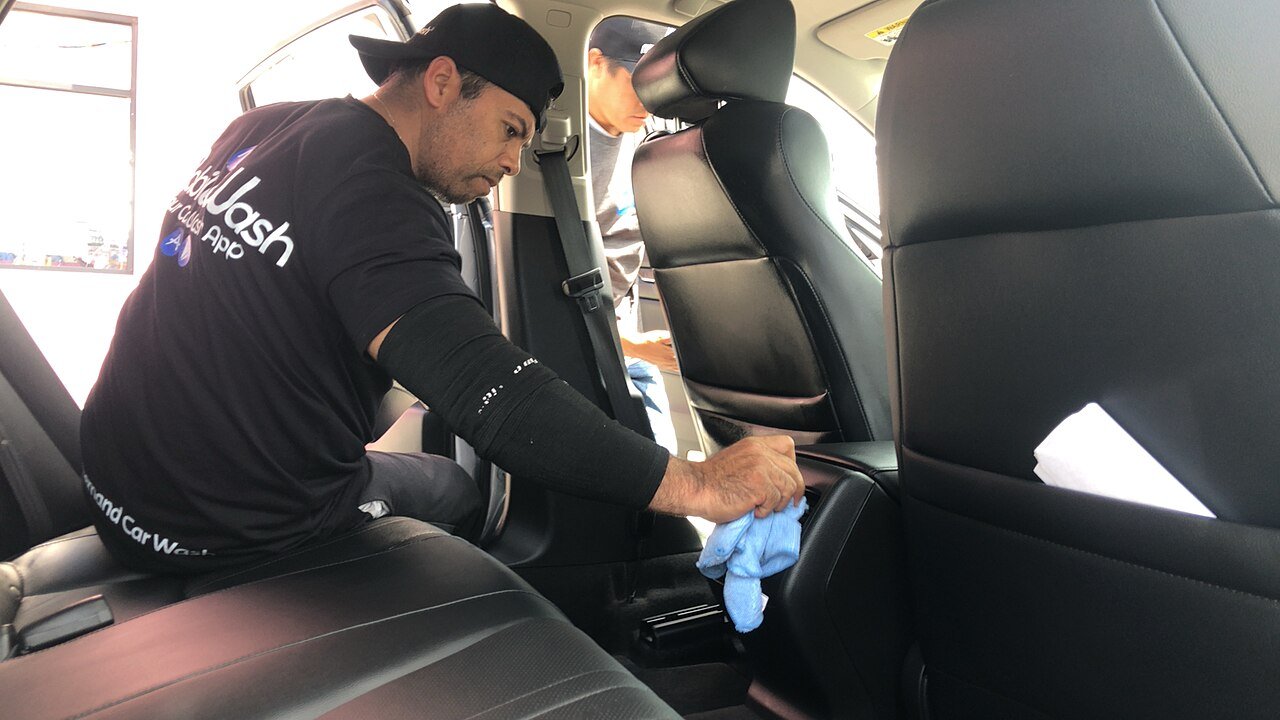
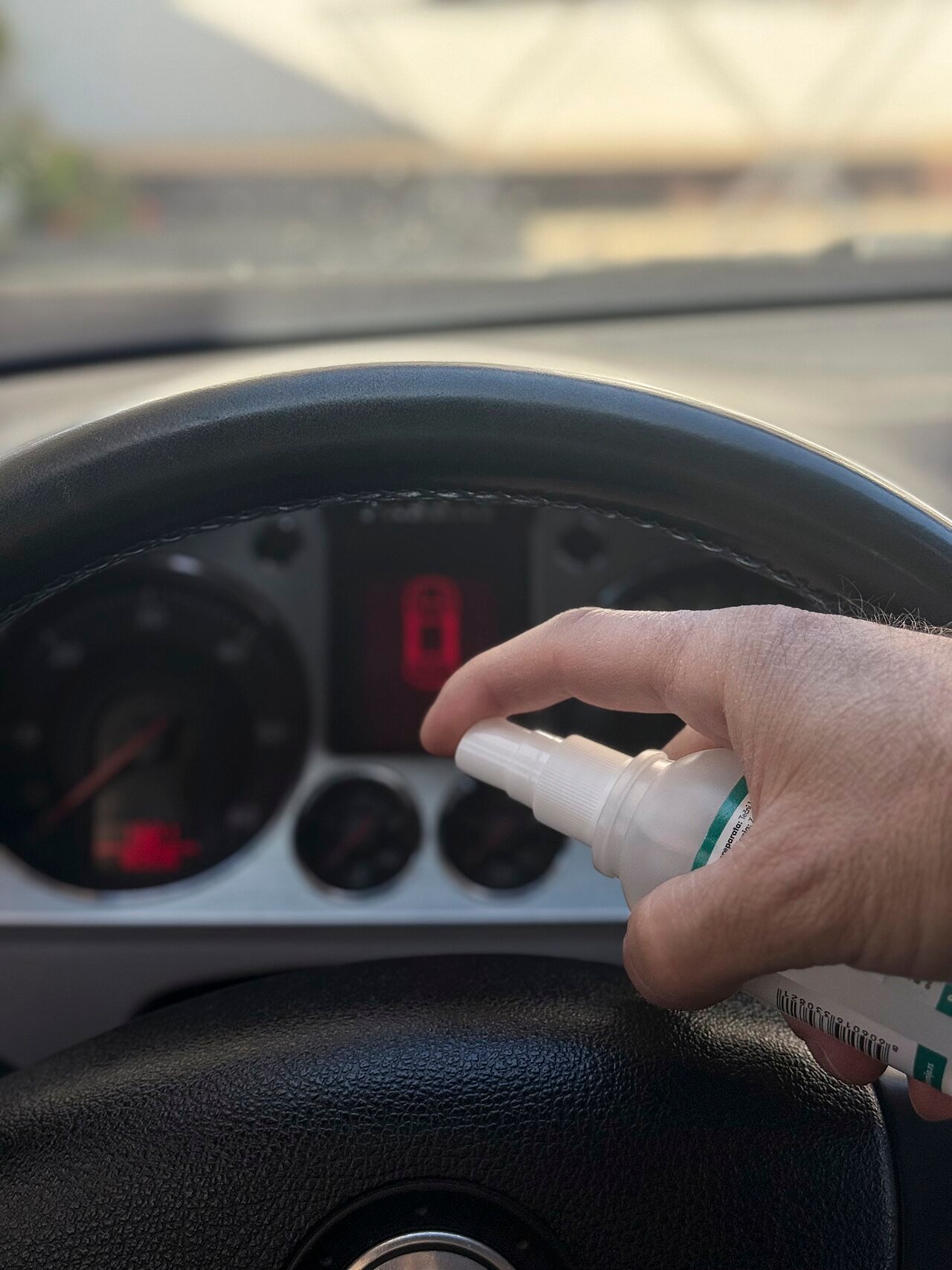
Next, wipe down the dashboard, steering wheel, door panels, center console, cup holders, and door handles with a damp microfiber cloth. Add a drop of mild dish soap to warm water for sticky spots, then wipe again with a clean damp cloth so no soap film is left behind. Pay attention to the air vents: dust collects on the slats and blows out every time you turn on the fan. A soft brush or an old toothbrush loosens it, and a quick wipe finishes the job. Do not spray cleaner straight onto the dashboard or the touchscreen. Spray it onto the cloth first so liquid never runs into buttons or vents.
Wash the floor mats
Floor mats are the single biggest smell trap in most cars. Rubber mats can be hosed off outside with dish soap and left to dry in the sun. Fabric mats need more care: shake them out, vacuum both sides, then scrub with warm water and a little laundry detergent or upholstery cleaner. Rinse well and let them dry completely before they go back in the car. A damp mat put back too soon will grow mildew, and mildew smells worse than whatever was on the mat before. If the mats are old and the smell will not wash out, new universal mats cost around 20 to 30 dollars and are worth every cent.
While the mats dry, wipe the carpet underneath them. Sprinkle a light layer of baking soda on the carpet, leave it for at least thirty minutes, then vacuum it up. This first pass already lifts a surprising amount of odor, and the full baking soda treatment below goes further. When the mats are dry and back in place, sit in the car again and take another sniff. For most cars, this deep clean alone removes half the smell, and the rest of this guide handles what is left. A clean car needs no cover scent, and that simple fact is the foundation of how to keep your car smelling fresh without air freshener.
Baking Soda: The Cheapest Odor Remover You Already Own
Baking soda is the workhorse of this whole guide. It does not mask smell. It neutralizes the acids that cause odor, and it absorbs moisture at the same time. A box costs about a dollar at any grocery store, and one box is enough to treat a whole car.
Here is the method that actually works. Make sure the seats and carpets are dry first, because baking soda on a wet surface turns into a paste that is hard to vacuum out. Sprinkle a generous, even layer over the fabric seats, the carpets, and the floor mats. Use your hand to work it lightly into the fabric so it reaches the fibers, not just the surface. Then leave it alone for at least four hours. Overnight is better. The longer it sits, the more odor it pulls out.
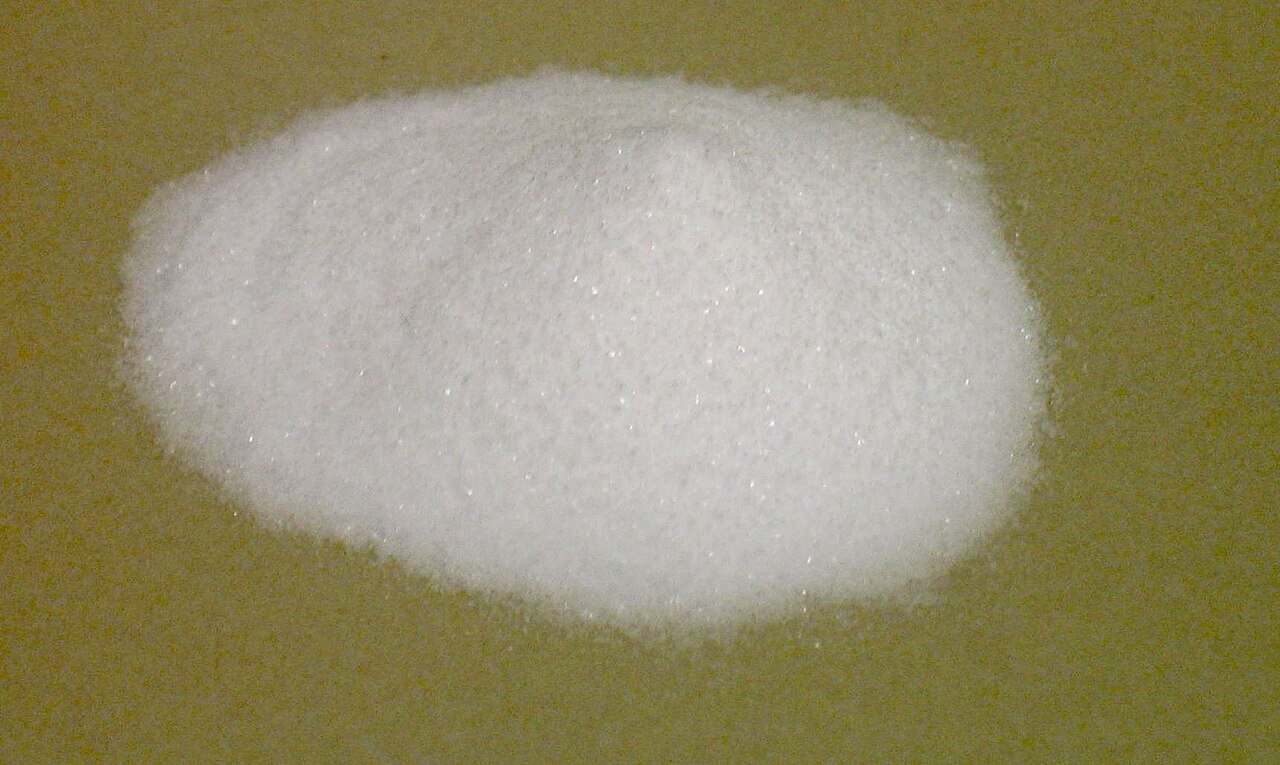
Vacuum it up slowly the next morning, going over each area twice. Check the vacuum canister or bag after the first pass: if it still smells, do a second round on the worst spots. For a stubborn smell, like spilled milk or pet accidents, mix three tablespoons of baking soda with one tablespoon of water into a paste, spread it thinly over the spot, let it dry completely, then vacuum. Repeat once if the smell is still there after the first try. Two patient rounds beat one rushed round every time.
You can also keep a small open box of baking soda under a seat as a quiet long term absorber. It will not add any scent of its own, which is exactly the point if you want a car that smells like nothing at all. Replace the box every month or two. One warning: do not use baking soda on leather seats. It can dry the leather out. Stick to fabric and carpet, and use a proper leather cleaner on leather.
Four Natural Absorbers Compared
Baking soda is not the only natural absorber that works in a car. Each one has a different strength, speed, and price. Here is how they compare, so you can pick the right tool for your smell.
Baking soda. Cost: about one dollar a box. Speed: slow, needs four hours or overnight. Best for: general stale smell, food spills, and fabric seats. Lasts: one treatment, then vacuum it out. Downside: messy if the fabric is wet, and not for leather.
Activated charcoal. Cost: five to ten dollars for a set of small bags. Speed: slow and steady, works over days. Best for: keeping a clean car fresh and absorbing moisture in a closed car. Lasts: weeks to months, and you can recharge the bags by leaving them in direct sunlight for two to three hours. Downside: does little against a strong existing smell on its own. Use it after a deep clean, not instead of one.
Coffee grounds. Cost: free if you brew coffee at home. Speed: fast, noticeable within hours. Best for: a quick reset before a passenger rides along, and for smoke smell. How to use it: put dry, unused coffee grounds in a small open container or tie them in an old sock and tuck it under a seat. Replace every week or two. Downside: the coffee smell itself fades fast, and used wet grounds can grow mold, so only use dry grounds.
White vinegar. Cost: about two dollars a bottle. Speed: fast on hard surfaces. Best for: musty smells, mildew on hard surfaces, and cleaning windows without streaks. How to use it: mix one part vinegar with one part water in a spray bottle, wipe hard surfaces, and let them air dry. For a strong musty smell, leave a small bowl of plain vinegar in the closed car overnight, then remove it before you drive. Downside: the vinegar smell is sharp while it works, though it fades completely once dry. Never pour vinegar on fabric seats or leather, and never leave a bowl of liquid in a car you are about to drive.
If you only buy one thing, buy baking soda. If you want a car that stays fresh with almost no effort, add charcoal bags after the deep clean. If you need a fast fix today, coffee grounds will do it. The point is that none of these cost more than a few dollars, none of them spray chemicals into air you breathe for hours a day, and all of them remove odor instead of covering it.
A Light Natural Scent That Does Not Smell Like a Chemical
Once the bad smell is gone, you may want a light pleasant scent. This is optional. A car that smells like nothing is a perfectly good result. But if you like a hint of freshness, natural options beat a cardboard tree every time, because you control how strong the scent is.
Essential oils are the simplest choice. Put three to five drops of lemon, orange, peppermint, or lavender oil on a cotton ball and tuck it near an air vent or under a seat. A small wooden clothespin with a few drops of oil clipped to a vent works the same way and looks tidier. The scent is gentle, it fades over a few days, and you can refresh it whenever you like. Start with fewer drops than you think you need. You can always add more, and too much oil in a small closed car quickly becomes overpowering.

You can also make a simple fabric spray. Mix one cup of water, one tablespoon of white vinegar, and five drops of lemon or lavender essential oil in a clean spray bottle. Shake it well, then mist it lightly over fabric seats and floor mats from about a foot away. Let it air dry with the doors open for ten minutes. Test it on a small hidden patch of fabric first, and skip it on leather. The vinegar smell disappears as it dries and leaves only the light oil scent behind.
A few safety notes matter here. Some essential oils are not safe around pets, especially cats, and strong scents are not good for small children or anyone with asthma. If you drive with pets or kids, use fewer drops, keep the oil away from where they sit, and ventilate the car before they get in. Never apply undiluted essential oil directly to seats or skin, and never leave a bottle of oil rolling around in a hot car. For a simpler option, lemon slices on a small plate in a cup holder give a clean citrus scent for a day or two, and dryer sheets tucked under the seats add a mild fresh note for a couple of weeks.
The Part Almost Everyone Forgets: The Cabin Air Filter
If your car still smells musty after a full deep clean, the cabin air filter is the most likely culprit. This small filter sits behind the glove box in most cars, and it cleans the air that comes through your vents. Over time it collects dust, pollen, leaves, and moisture, and a dirty filter can make the whole car smell like an old basement every time you turn on the fan.
Replacing it is one of the easiest car jobs you can do yourself. The filter costs 15 to 25 dollars at an auto parts store, and most cars need no tools at all: open the glove box, squeeze the sides to drop it down, slide the old filter out, and slide the new one in with the airflow arrow pointing the right way. The whole job takes about ten minutes, and many auto parts stores will show you how if you ask. Check your car manual for the exact location, since a few models hide the filter under the hood instead.
How often should you change it? Once a year is a good rule for most drivers, and twice a year if you drive on dusty roads, park under trees, or notice the airflow getting weak. If the old filter comes out gray, damp, or smelling of mildew, you have found your smell. A fresh filter will not only help the car smell better, it will also improve airflow and keep dust out of the cabin. While you are at it, run the fan on high with the air conditioning off for five minutes after a rainy day or a car wash. Drying out the system stops mildew from growing in the vents in the first place.
The 10 Minute Weekly Routine That Keeps It Fresh
Getting a car fresh is one job. Keeping it fresh is a different job, and it is the one most people skip. A short weekly routine stops smells from building up again, and it takes less time than scrolling through your phone at a red light over the course of a week.
Start with a five minute sweep. Take out trash, cups, food wrappers, and anything that does not belong in the car. Shake out the floor mats. Wipe the steering wheel and the center console with a damp cloth. If you eat in the car, this sweep matters twice as much, because crumbs in seat seams turn into smell within days in warm weather.
Then give the car two minutes of fresh air. Open all the doors or roll the windows down for a few minutes before you drive, especially on a dry sunny day. Sunlight and moving air do real work: ultraviolet light slows mold growth, and fresh air flushes out the stale air that builds up overnight. Run the fan on fresh air intake rather than recirculate for the first few minutes of a drive, so the vents clear out too.
Finish with a quick check of your absorbers. If you keep a charcoal bag under a seat, leave it in the sun for a couple of hours once a month to recharge it. If you use a baking soda box, swap it for a fresh one every month or two. If you use essential oils, refresh the cotton ball when the scent fades. The same one in one out rule that keeps a spare room clear works in a car too, and our guide on how to declutter a spare room fast shows how a small steady habit beats a big occasional purge. In the car, the habit is simple: nothing new stays in the car unless it has a reason to be there, and everything that smells leaves the same day it arrives.
What Not to Do
A few common mistakes make car smell worse, even with good intentions. Spraying perfume or body spray on the seats is the biggest one. It mixes with the existing smell and soaks into fabric, and the result is worse than either smell alone. The same goes for pouring air freshener liquid onto floor mats. It leaves a sticky residue that traps dirt.
Do not hang a new air freshener every time the old one fades. If the smell keeps coming back, the source is still there, and another tree just adds another layer. Do not leave open containers of liquid, like vinegar bowls or coffee cups, in a car you are about to drive. They spill, and a spill becomes the next smell. Do not soak fabric seats with water or cleaner. Wet upholstery that never fully dries grows mildew, and mildew is one of the hardest car smells to remove. And do not use bleach or harsh cleaners inside a car. They can stain fabric, damage leather, and leave fumes in a small sealed space.
Finally, do not ignore a smell that appears suddenly and smells sweet, like syrup, or sharp, like chemicals. A sweet smell can mean a coolant leak, and a chemical smell can mean a fuel or exhaust problem. Those are not cleaning problems. If a new smell shows up with a warning light, a puddle under the car, or the heater acting strangely, get the car checked by a mechanic before you reach for the baking soda.
Conclusion: A Car That Smells Like Nothing Is a Win
Learning how to keep your car smelling fresh without air freshener comes down to three ideas. First, find the source and remove it, because no scent can beat a gym bag or a spilled coffee cup that is still in the car. Second, use natural absorbers that remove odor instead of covering it: baking soda for fabric, charcoal bags for steady freshness, coffee grounds for a fast fix, and vinegar for musty hard surfaces. Third, keep it fresh with a ten minute weekly sweep and fresh air, so the smell never gets a chance to build up again.
My car smelled like a pine forest mixed with a locker room the day I started this. A month later, after one deep clean, a box of baking soda, and a charcoal bag under the seat, passengers started asking what I used to make it smell so clean. The honest answer was that I stopped adding smells and started removing them. Try the deep clean this weekend, keep a box of baking soda under the seat, and change the cabin air filter if it has been more than a year. Your car, your passengers, and your nose will all notice the difference.
Frequently Asked Questions
How long does baking soda take to remove car odor?
Leave it on fabric seats and carpets for at least four hours, and overnight is better. Vacuum it up slowly, going over each area twice. For a stubborn smell like spilled milk, a second round on the worst spots usually finishes the job.
Does activated charcoal really work in a car?
Yes, for maintenance and light odor. Small charcoal bags absorb moisture and odor quietly over weeks. They work best in a car that is already clean. They will not fix a strong existing smell on their own, so deep clean first, then let charcoal keep it fresh.
Can coffee grounds remove smoke smell from a car?
Dry coffee grounds help a lot with smoke smell because they absorb odor fast. Put dry grounds in an open container under a seat for a day or two, then remove them. For heavy smoke smell, repeat the treatment and deep clean the fabric seats too, since smoke soaks into upholstery.
Why does my car smell musty even after cleaning?
The most common reason is a dirty or damp cabin air filter, or moisture sitting in the air conditioning system. Change the filter, then run the fan on high with the air conditioning off for five minutes to dry the system out. If the smell stays, check for damp carpets or a leak around a door seal.
Are essential oils safe to use in a car?
Used lightly, yes for most adults. Use three to five drops on a cotton ball, keep it away from skin and from where kids or pets sit, and ventilate the car before driving. Some oils are not safe around cats, so skip essential oils entirely if you travel with a cat, or ask your vet first.