
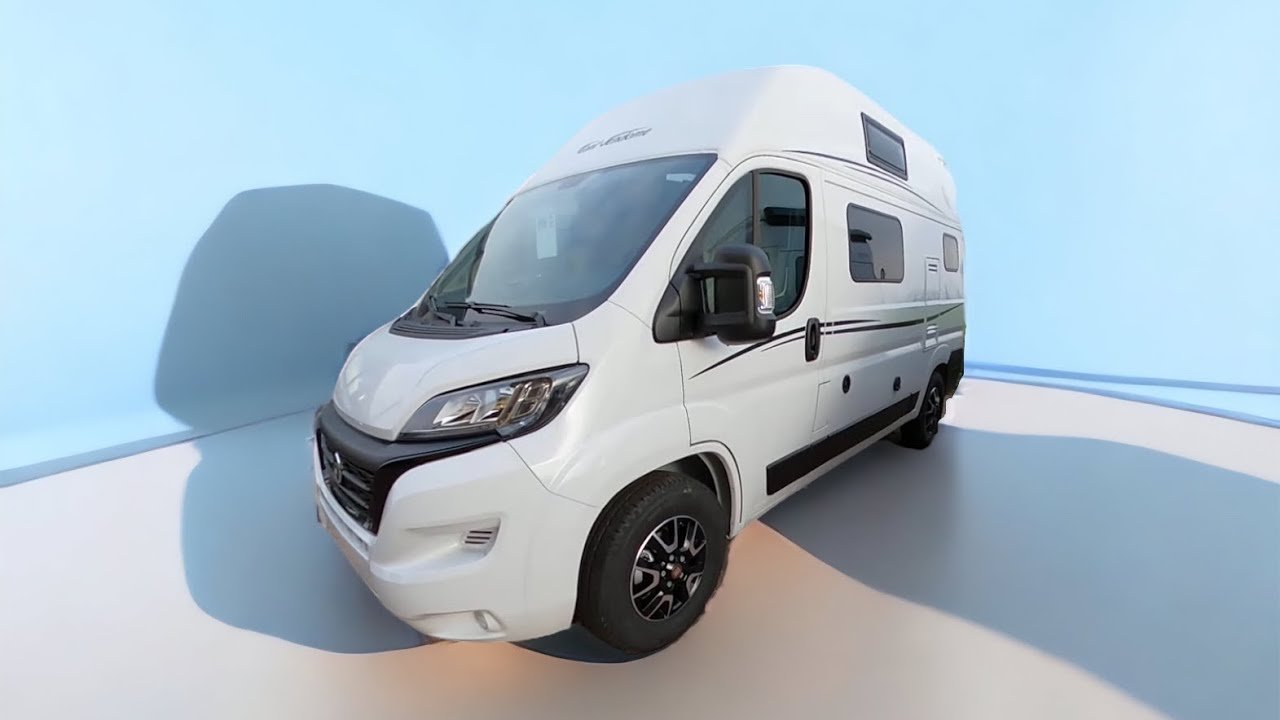
If you have spent any time scrolling through van life content, you already know the dream: open roads, a cozy bed on wheels, and the freedom to wake up somewhere new. But before any of that happens, you need the right vehicle. And for a growing number of travelers, the answer is not a massive Sprinter or a bus sized RV. It is one of the best small camper vans on the market today.
Small camper vans have quietly become the smarter choice for solo travelers, couples, and weekend adventurers who want the van life experience without the price tag, the parking headaches, or the intimidating size of a full size build. This guide breaks down real specs, honest costs, and practical advice so you can figure out exactly which small camper van fits your life, not just your Pinterest board.
What Actually Counts as a Small Camper Van
There is a lot of confusion around this term, so let us clear it up first. A small camper van is typically built on a compact or mid size platform, meaning it is shorter, narrower, and lighter than a full size cargo van like a Mercedes Sprinter or Ford Transit.
Most small camper vans fall somewhere between 175 and 200 inches in length, weigh under 5,000 pounds, and offer standing height that ranges from crouching room to just under six feet. They are not built for permanent full time living with a separate bathroom and shower. Instead, they are designed for simplicity: a bed, some storage, maybe a small kitchen setup, and enough room to feel comfortable for a weekend or a multi week road trip.
This is different from a full conversion van, which often includes a fixed bed, indoor plumbing, and a layout meant for months on the road. Small camper vans trade some of that comfort for better fuel economy, easier parking, and a price that will not require a second mortgage.
Why Small Camper Vans Are Having a Moment
A few years ago, van life content was dominated by giant Sprinter builds with marble countertops and rainfall showers. Beautiful, sure, but also expensive and, frankly, out of reach for most people.
Small camper vans are filling a real gap. They cost less to buy, less to insure, and significantly less to fill up at the pump. A compact van averaging 25 to 30 miles per gallon will save you hundreds of dollars over a Sprinter that struggles to hit 18.
There is also the practical side. A smaller van fits in a regular parking spot, clears low garage entrances, and does not require a special license or feel like piloting a delivery truck through narrow mountain roads. For anyone easing into van life or planning shorter trips rather than permanent full time travel, that difference matters more than square footage.
The Best Small Camper Vans in 2026, Platform by Platform
Here is where things get specific. These are the platforms that consistently show up as the best small camper vans for conversion or purchase, based on availability, reliability, and how well they actually work as a camper.
Ford Transit Connect
The Transit Connect remains one of the most popular budget friendly choices, and for good reason. It offers a low entry price, solid fuel economy around 24 to 27 miles per gallon, and enough cargo room for a simple platform bed and storage cabinets.
Standing height is limited, so this is a better fit for sitting or lying down rather than moving around freely inside. Reliability is strong, and used models are widely available, which keeps the total cost of entry low.
RAM ProMaster City
The ProMaster City offers a boxier, more upright cargo area than the Transit Connect, which translates to slightly better usable space for storage and a kitchen setup. It shares a similar price range and fuel economy, making it a strong alternative depending on what is available near you.
Owners often point to the wide rear doors as a practical advantage, since they make loading gear or building out furniture noticeably easier.
Mercedes Metris
The Metris sits a step above the Transit Connect and ProMaster City in both size and price, but it rewards you with genuinely usable interior height and more room to build a functional galley kitchen. It is often described as the sweet spot between compact and full size.
Fuel economy hovers around 21 to 24 miles per gallon, and Mercedes reliability, while not flawless, tends to hold up well over time with regular maintenance.
Toyota Sienna Hybrid
Yes, a minivan can absolutely be a camper van, and the Sienna Hybrid is one of the smartest choices available. With hybrid fuel economy often exceeding 33 miles per gallon, all wheel drive availability, and a stow and go seating system that opens up flat floor space, it is a favorite among stealth campers and weekend travelers.
The tradeoff is limited standing height and a build that leans more toward sleeping in the back seat area than a true walk around camper.
Honda Odyssey and Chrysler Pacifica
Both of these minivans offer similar advantages to the Sienna: comfortable ride quality, good fuel economy, and enough flat floor space for a simple sleeping platform once the seats are folded or removed. They tend to be more affordable on the used market than the Sienna Hybrid, which makes them appealing for anyone building on a tighter budget.
Volkswagen ID Buzz
The ID Buzz represents where small camper vans are heading. As an electric platform, it eliminates fuel costs entirely and offers a surprisingly spacious, boxy interior for its footprint. Range and charging logistics are the main considerations, since overnight camping often means finding a charging station rather than a gas pump.
For travelers who plan routes around charging infrastructure, the ID Buzz offers a genuinely modern take on the small camper van, and expect more electric options to enter this space over the next few years.
Small Camper Van Comparison at a Glance
| Van | Approximate MPG | Standing Height | Best For |
|---|---|---|---|
| Ford Transit Connect | 24 to 27 mpg | Low, sitting or lying only | Tightest budgets |
| RAM ProMaster City | 22 to 25 mpg | Low, sitting or lying only | Storage and cargo flexibility |
| Mercedes Metris | 21 to 24 mpg | Moderate, crouching | Kitchen builds and comfort |
| Toyota Sienna Hybrid | 33 plus mpg | Minimal | Stealth camping, efficiency |
| Honda Odyssey or Pacifica | 22 to 28 mpg | Minimal | Budget minivan conversions |
| Volkswagen ID Buzz | Electric, no mpg | Moderate | Modern, emissions free travel |
What You Gain and What You Give Up
Choosing a small camper van is always a tradeoff, and being honest about that upfront will save you disappointment later.
On the plus side, you get better fuel economy, easier parking in cities and campgrounds, lower insurance costs, and a rig that does not scream camper van from the outside. That last point matters more than people expect, since a low profile vehicle is far less likely to attract unwanted attention when you are parked overnight in a residential area or a rest stop.
On the other hand, you will likely give up standing height, a fixed indoor bathroom, and the kind of long term comfort that makes months long full time travel easier. Cooking usually happens outside or through a slide out kitchen rather than an indoor galley, and storage requires more creative thinking since every inch counts.
Neither approach is objectively better. It comes down to how you plan to use the van and how much space you genuinely need.
Real Cost Breakdown: Vehicle, Conversion, and Total Spend
Numbers matter, so let us talk real figures instead of vague ranges.
A used Transit Connect or ProMaster City in good condition typically runs between 12,000 and 20,000 dollars. A Mercedes Metris will land closer to 20,000 to 30,000 dollars depending on mileage and condition. Minivans like the Sienna Hybrid or Pacifica often fall in the 15,000 to 28,000 dollar range, while a new ID Buzz starts well above 60,000 dollars before incentives.
Conversion costs vary just as widely. A simple DIY build with a platform bed, basic storage, and a portable stove can cost as little as 1,500 to 3,000 dollars in materials. A more finished DIY build with insulation, a small electrical system, and custom cabinetry often lands between 5,000 and 10,000 dollars.
Professional conversions for small vans typically start around 15,000 dollars and can climb past 30,000 depending on the level of finish, electrical complexity, and whether you add a pop top or solar setup. Compared to full size Sprinter conversions, which frequently exceed 50,000 to 80,000 dollars once you include the vehicle, small camper vans remain the more accessible path into van life by a wide margin.
Who Small Camper Vans Are Actually Best For
Small camper vans are not the right fit for everyone, and knowing where you land on this list will make your decision much easier.
- Solo travelers or couples planning weekend and week long trips rather than permanent full time living
- City dwellers who need a vehicle that doubles as daily transportation and occasional camper
- Budget conscious first time buyers who want to try van life without a massive upfront investment
- Travelers prioritizing fuel efficiency and easy parking over indoor plumbing and standing height
- Anyone converting their own build who wants a project that does not require months of specialized labor
If you are planning to live in your van full time for a year or more, or if standing height and an indoor shower are non negotiable, a full size platform will likely serve you better.
How to Choose the Right Small Camper Van for You
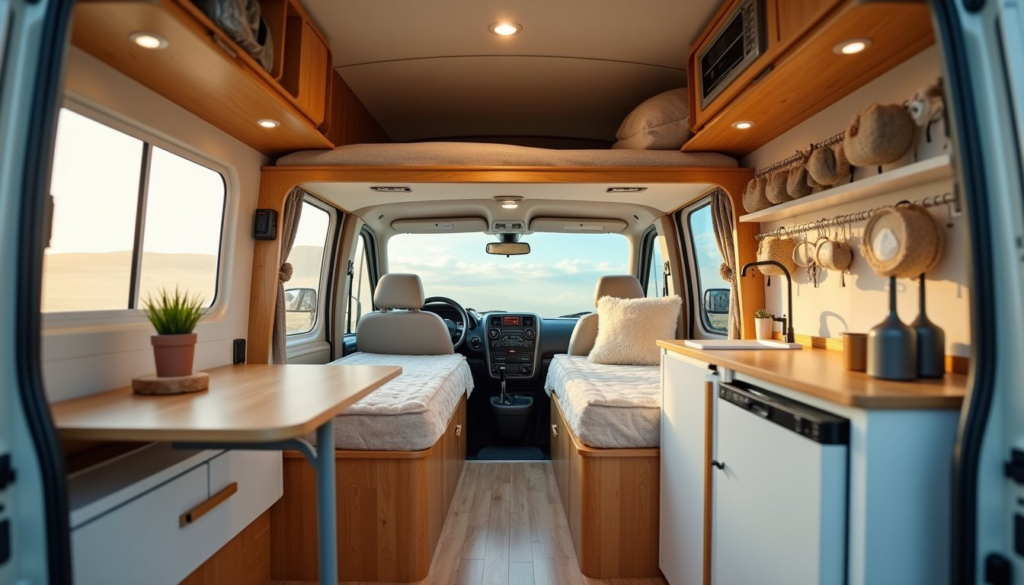
Start with how you actually plan to use the van, not how it looks in photos. If weekend trips and occasional longer journeys are the goal, prioritize fuel economy and reliability over interior space. If you plan to cook indoors regularly, lean toward the Mercedes Metris or a similarly boxy platform with better height.
Next, think about climate. Thinner van walls mean less natural insulation, so if you are camping through cold winters, budget extra for insulation and a reliable heating source regardless of which van you choose.
Finally, be realistic about your mechanical comfort level. A simple DIY build with basic tools is very achievable in a small van over a few weekends, but an electrical system with solar, a battery bank, and wiring is a different project entirely. If that is outside your comfort zone, factor professional installation into your budget from the start rather than as an afterthought.
Common Mistakes to Avoid Before You Buy
A few missteps show up again and again among first time small camper van buyers, and avoiding them can save real money and frustration.
Buying based on looks rather than mechanical history is the most common one. Always get a pre purchase inspection, especially on higher mileage used vans, since repair costs can quickly erase any savings from a cheap purchase price.
Underestimating insulation needs is another frequent issue. Many buyers plan a simple summer build and end up cold and uncomfortable the first time temperatures drop, so it pays to plan for your coldest expected camping conditions rather than your average ones.
Finally, skipping research on state specific regulations around overnight parking and stealth camping can lead to unexpected tickets or towing. A little research into local laws before your first trip goes a long way toward a stress free experience.
Conclusion
The best small camper vans in 2026 are not about who has the flashiest build online. They are about matching a reliable, fuel efficient platform to how you actually want to travel. Whether that means a budget friendly Ford Transit Connect, a comfort focused Mercedes Metris, an efficient Toyota Sienna Hybrid, or a forward looking Volkswagen ID Buzz, the right choice comes down to your budget, your climate, and how much space you genuinely need.
Start by being honest about your travel style, get real numbers on vehicle and conversion costs before you commit, and choose a platform with a strong reliability track record. Do that, and you will end up with a small camper van that fits your life instead of one you are constantly trying to make work.
Frequently Asked Questions
What is the most affordable small camper van to convert?
The Ford Transit Connect and RAM ProMaster City are generally the most affordable options, with used models often available for 12,000 to 20,000 dollars and simple DIY conversions starting around 1,500 dollars in materials.
Can you stand up in a small camper van?
Most small camper vans do not offer full standing height. Compact vans like the Transit Connect and ProMaster City require sitting or crouching, while boxier options like the Mercedes Metris and Volkswagen ID Buzz offer slightly more clearance.
Is a minivan a good choice for a camper conversion?
Yes, minivans like the Toyota Sienna Hybrid, Honda Odyssey, and Chrysler Pacifica are excellent choices for weekend trips and stealth camping, thanks to strong fuel economy and flat folding seats, though they offer limited standing room.
How much does a small camper van conversion typically cost?
A basic DIY build costs between 1,500 and 10,000 dollars depending on finish level, while professional conversions for small vans usually range from 15,000 to 30,000 dollars.
Are small camper vans warm enough for winter camping?
With proper insulation and a reliable heat source, small camper vans can handle cold weather, but their thinner walls mean insulation should be a priority rather than an afterthought if you plan to camp in freezing temperatures.