
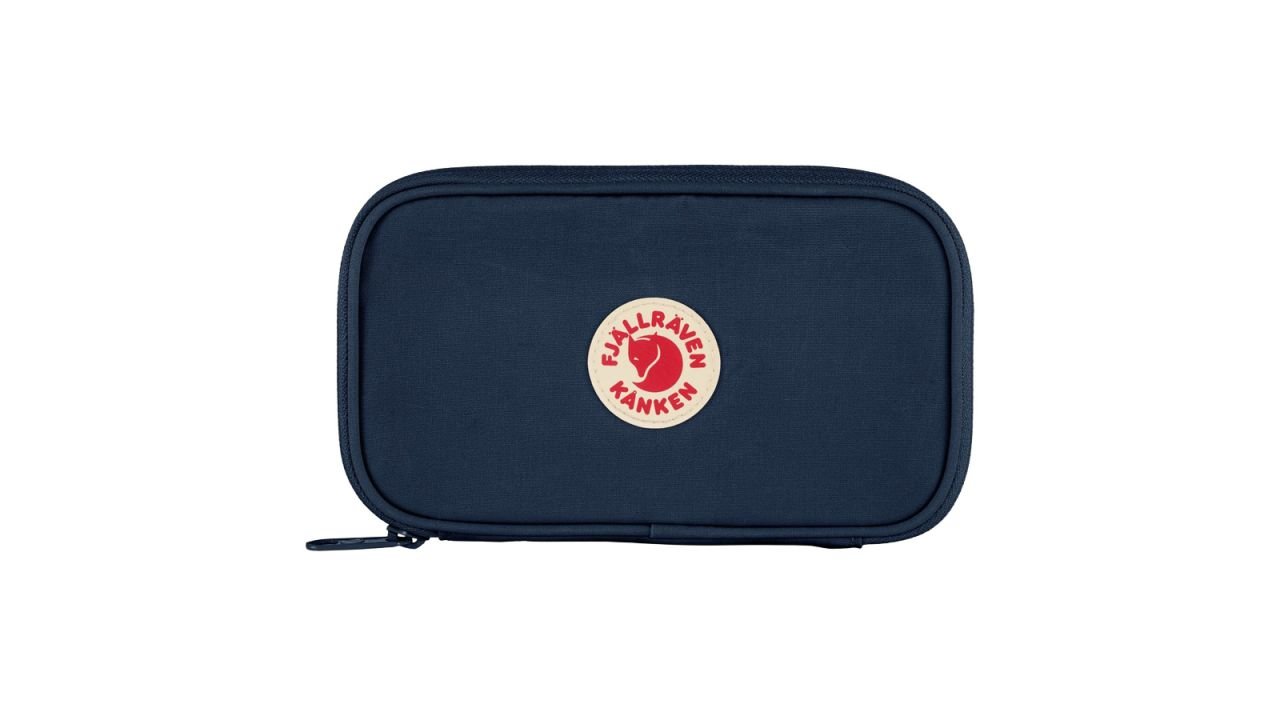
If you have ever stood in an airport queue digging through three different pockets for your passport while your boarding pass slips onto the floor, you already know why the best travel wallets are worth the investment. A good travel wallet is not just a place to store your passport. It is the difference between arriving at customs calm and organized, or frazzled and fumbling.
This guide walks through everything you need to know before buying a travel wallet in 2026, from the features that actually matter to the mistakes most buying guides overlook. Whether you are a frequent flyer, an occasional holidaymaker, or someone planning their first big trip abroad, you will find practical, honest advice here.
What Is a Travel Wallet and Do You Actually Need One
A travel wallet is a purpose built accessory designed to hold your passport, boarding passes, cards, and cash in one secure place. Unlike a standard bifold wallet, it is sized to fit a passport and usually includes extra compartments for foreign currency, travel documents, and sometimes a pen or SIM card slot.
Not every traveller needs one. If you take a single short domestic flight a year, your regular wallet and a passport case might be enough. But if you are flying internationally, juggling multiple currencies, or travelling with family documents, a dedicated travel wallet quickly proves its worth.
Think of it less as a luxury item and more as a small piece of travel infrastructure. It keeps your most important items in one predictable spot, which matters enormously when you are tired, jet lagged, or standing in an unfamiliar queue.
Key Features That Matter in the Best Travel Wallets
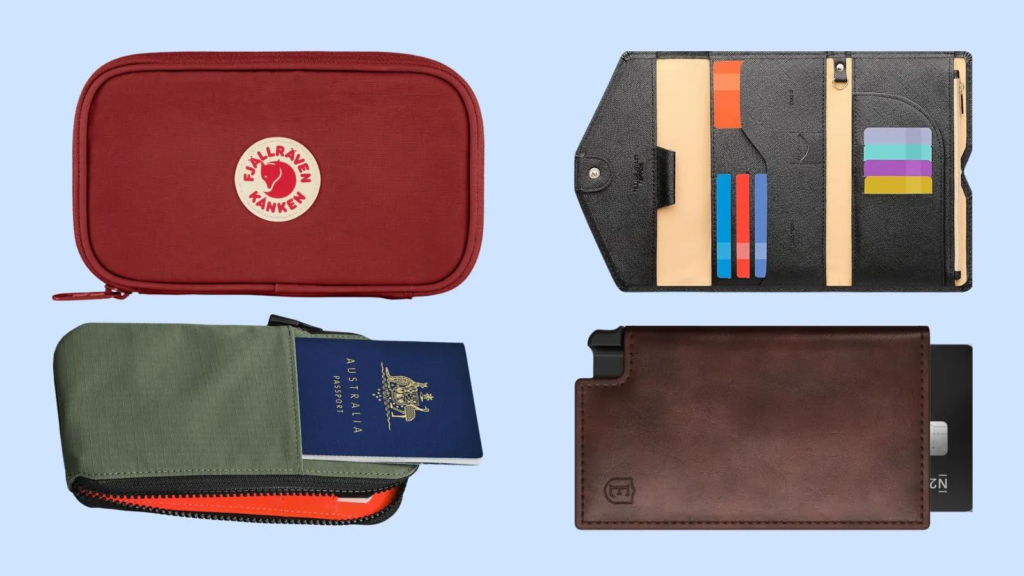
Not all travel wallets are created equal, and the marketing around them can be misleading. Here is what genuinely makes a difference.
RFID Blocking
Many modern passports and contactless cards contain RFID chips that can, in theory, be scanned remotely. RFID blocking material lines the wallet to prevent this kind of electronic skimming. It is a reasonable precaution, though it is worth noting that documented cases of RFID theft are rare compared to old fashioned pickpocketing. Still, since RFID lining adds little to no cost or bulk, there is no real downside to choosing a wallet that includes it.
Passport Protection
Look for a passport slot with reinforced edges or a slightly rigid backing. Passports get soft and dog eared quickly when stored loosely, and a poor quality slot can actually accelerate wear rather than prevent it.
Card and Cash Capacity
Most travellers need room for six to ten cards, plus two currencies if travelling abroad. A dedicated coin pocket is genuinely useful for European trips, where change adds up fast and rattling coins in a jacket pocket gets old quickly.
Closure Type
- Zip closures offer the most security but can be slower to open under pressure.
- Snap or magnetic closures are quicker for one handed access.
- Open fold designs are the fastest but offer the least protection against items falling out.
Size and Portability
A travel wallet needs to be big enough to hold a passport comfortably but small enough to slip into a jacket pocket, daypack, or crossbody bag without becoming a burden. If it does not fit naturally into how you already carry things, you simply will not use it consistently.
Types of Travel Wallets and Which Suits Your Trip
Different travel styles call for different designs. Here is a breakdown that goes beyond the usual passport wallet versus minimalist wallet comparison.
Passport wallets are built around the dimensions of a passport and typically include slots for cards, cash, and boarding passes. These suit business travellers and anyone who wants everything centralized in one document.
Minimalist card wallets skip the passport slot entirely and focus on slim card storage with quick access. These work well for travellers who prefer to keep their passport in a hotel safe or a separate secure pouch.
Zippered organizers offer the most compartments and the highest capacity, which makes them ideal for family trips where you might be managing several passports and sets of documents at once.
Neck and waist wallets sit against the body under clothing. They trade convenience for discretion and are best suited to destinations where pickpocketing is a known risk.
Crossbody travel wallets combine phone storage with document organization and work well for travellers who want hands free access, particularly those travelling with children.
Materials: Leather, Nylon, or Technical Fabric
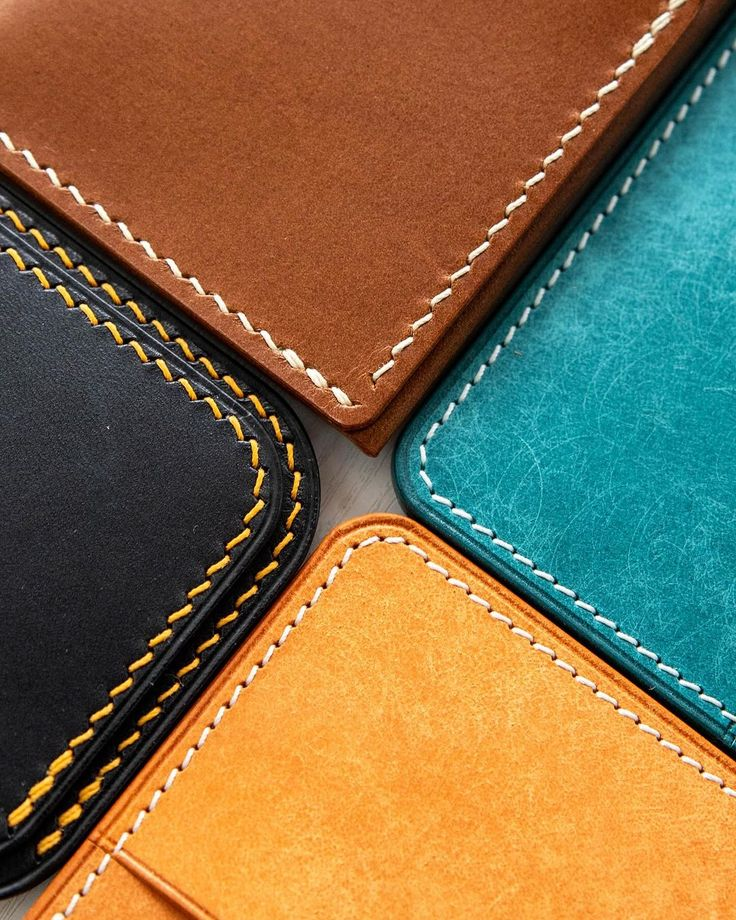
The material you choose affects durability, weight, and how the wallet ages.
Full grain leather remains popular because it develops a natural patina and feels premium in the hand. It is a good choice for business travel or destinations with mild climates, though it needs occasional conditioning and does not love heavy rain.
Nylon and ripstop fabrics are lighter, more weather resistant, and generally more affordable. They suit outdoor travel, humid climates, and anyone who prioritizes function over polish.
Technical fabrics like X Pac or ballistic nylon sit somewhere in between. They are highly abrasion resistant and handle rough treatment well, making them a strong option for backpackers and adventure travellers who need something that can survive being tossed into a pack day after day.
Comparison Table: Travel Wallet Types at a Glance
| Type | Best For | Typical Capacity | Security Level | Approximate Price (GBP) |
|---|---|---|---|---|
| Passport Wallet | International flights, business travel | 6 to 10 cards, 1 to 2 passports | High | £30 to £95 |
| Minimalist Card Wallet | Light packers, short trips | 4 to 8 cards | Medium | £20 to £60 |
| Zippered Organizer | Family travel, long trips | High, multiple passports | Very High | £40 to £120 |
| Neck or Waist Wallet | High risk destinations | Essentials only | Maximum | £15 to £45 |
| Crossbody Travel Wallet | Hands free travel, families | Phone, passport, cards | High | £35 to £100 |
Prices vary depending on material and brand, but this gives a realistic sense of what to expect at each tier.
Travel Wallets and Airport Security: What to Expect
This is an area most guides skip entirely, yet it is one of the most practical concerns travellers actually have.
At most airport security checkpoints, you will not need to remove your travel wallet from your bag or pocket unless it sets off a metal detector, which is unlikely unless it contains a lot of coins or a metal clasp. RFID blocking material does not interfere with security scanners, so there is no need to worry about delays because of that feature.
At border control, having your passport, boarding pass, and any required documents in one organized wallet genuinely speeds things up. Officers appreciate travellers who can present documents quickly, and fumbling through a bag under pressure is one of the more stressful parts of international travel.
If you are travelling with a digital boarding pass on your phone, keep your travel wallet handy anyway. Phone batteries die, apps glitch, and having a printed backup or physical card tucked into your wallet has saved many travellers from unnecessary stress.
Choosing a Travel Wallet for UK and European Travellers
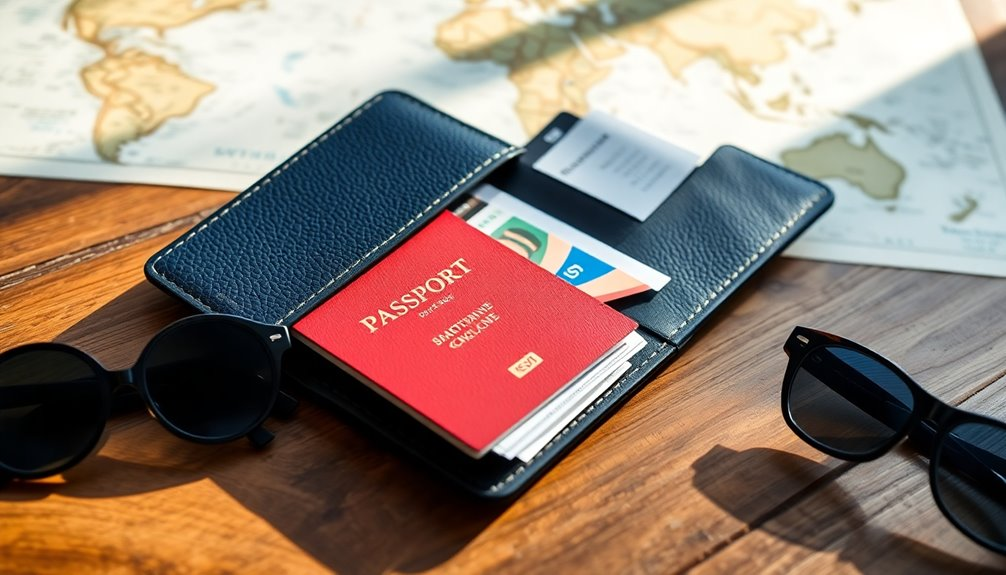
UK based travellers face a few considerations that generic American focused buying guides tend to miss.
British passports measure roughly 125mm by 88mm, which is the standard international size, so most travel wallets marketed globally will fit without issue. Still, it is worth double checking dimensions before buying, particularly with wallets designed primarily for the US market.
If you hold a Global Health Insurance Card, or GHIC, having a dedicated card slot for it makes accessing healthcare abroad far smoother in an emergency. The same goes for any EHIC cards that remain valid for travellers who obtained them before the scheme changed.
Post Brexit travel to the EU sometimes involves additional paperwork at border crossings, so a wallet with a spare document pocket for printed forms or accommodation confirmations is genuinely useful for UK travellers heading into Europe.
Coin pockets also matter more for UK travellers than many guides acknowledge. Euro coins accumulate quickly, and a dedicated zippered coin section keeps them from mixing with cards or spilling out in a bag.
Digital Wallets vs Physical Travel Wallets
Digital wallets, including mobile boarding passes and digital ID apps, are becoming more common, but they are not a full replacement for a physical travel wallet just yet.
Digital options are convenient when everything works, but they depend entirely on battery life, network access, and app reliability. International roaming issues, dead batteries, and app outages are common enough that relying solely on a phone for travel documents is a genuine risk.
A physical travel wallet with RFID blocking and organized compartments still offers a level of reliability that digital tools cannot fully match. Many experienced travellers now use a hybrid approach, keeping boarding passes on their phone while storing physical ID, backup cards, and cash in a dedicated wallet.
Budget Considerations: What You Actually Get at Each Price Point
It helps to know what you are actually paying for before spending money on a travel wallet.
Under £25, expect basic nylon or polyester construction with simple RFID lining and minimal organization. These are fine for occasional travellers or as a backup wallet, though stitching and zippers may wear faster with heavy use.
Between £25 and £60, you start seeing better materials, more thoughtful compartment design, and sturdier zippers, often YKK branded. This range represents the best value for most regular travellers.
Above £60, you are generally paying for premium leather, brand reputation, and finer details like hand stitching or customizable monogramming. These wallets can last for years with proper care, but the improvement in actual function above the £60 mark is often smaller than the price jump suggests.
Caring for Your Travel Wallet
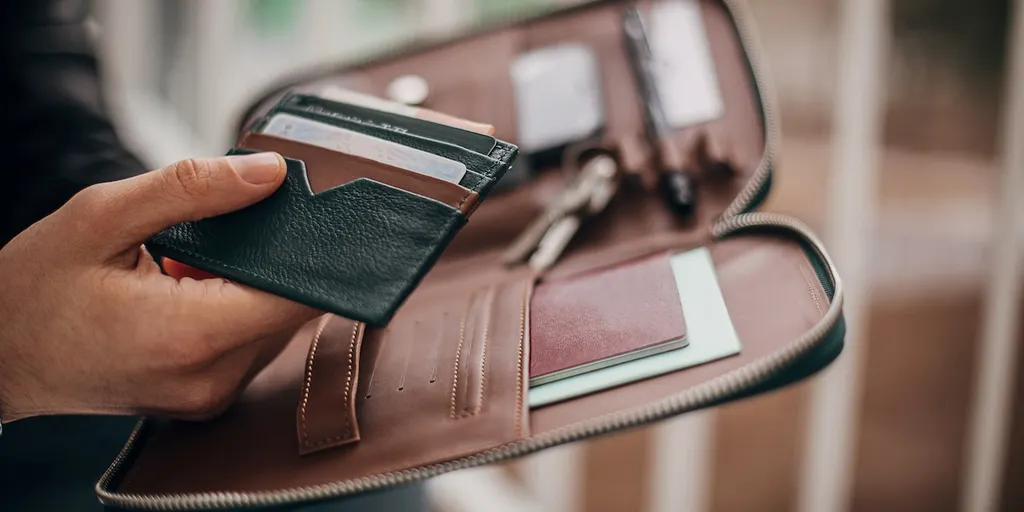
A little maintenance extends the life of any travel wallet significantly.
For leather wallets, wipe away dirt with a slightly damp cloth every few weeks and apply a leather conditioner every few months, particularly if you travel somewhere humid or dry. Avoid leaving leather wallets in direct sunlight or a hot car, as this dries out the material and causes cracking over time.
For nylon or technical fabric wallets, a damp cloth and mild soap are usually enough. Let the wallet air dry fully before packing it away, since trapped moisture can lead to mildew inside the compartments.
Regardless of material, empty your travel wallet after each trip. Old receipts, foreign coins, and forgotten boarding passes add unnecessary bulk and make it harder to spot what you actually need on your next journey.
Final Thoughts
Choosing among the best travel wallets for 2026 comes down to matching the wallet to how you actually travel, not just how it looks in a product photo. A business traveller heading to quick meetings has very different needs from a family managing multiple passports through a busy airport, or a backpacker who needs something that survives months on the road.
Focus on genuine RFID protection, sensible organization, and a size that fits how you already carry your belongings. Consider your destination too, since a discreet neck wallet suits high risk travel far better than a leather passport case, while a zippered organizer makes far more sense for a family holiday than a slim minimalist design.
Whatever you choose, a well organized travel wallet does something simple but valuable. It removes one small source of stress from your trip, so you can focus on the parts of travel that actually matter.
Frequently Asked Questions
Is a travel wallet worth buying if I only travel occasionally?
It depends on your trip. For frequent or international travel, a travel wallet keeps documents organized and reduces stress at security and customs. For a single short domestic trip, your everyday wallet may be sufficient.
Do I need RFID blocking in a travel wallet?
RFID theft is relatively rare, but RFID blocking material adds no real downside in cost or bulk, so it is a sensible feature to look for rather than a strict necessity.
What size travel wallet fits a UK passport?
UK passports follow the standard international size of roughly 125mm by 88mm, so most travel wallets sold internationally will accommodate them comfortably.
Should I store my boarding pass digitally or keep a physical copy in my travel wallet?
A hybrid approach works best. Keep your boarding pass on your phone for convenience, but carry a printed copy or backup card in your travel wallet in case of battery or app issues.
How much should I spend on a good travel wallet?
Between twenty five and sixty pounds typically offers the best balance of durability, organization, and value. Higher priced options mainly add premium materials rather than significantly better function.