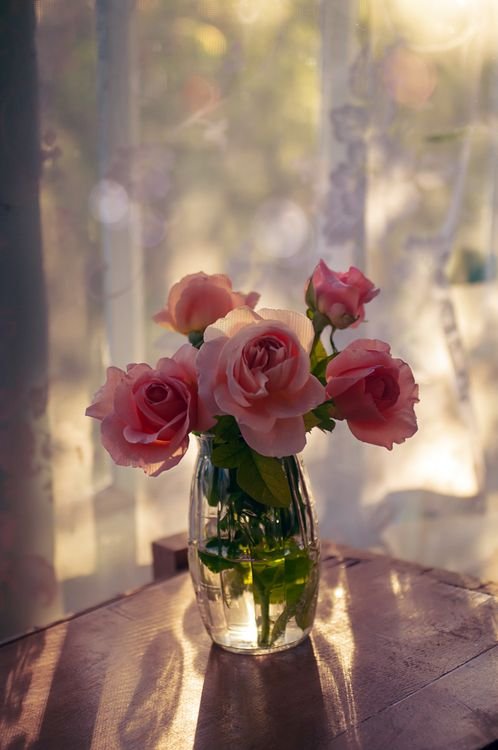
Last spring I brought home a bunch of pink roses from the Saturday market. They looked perfect on the kitchen table that morning, all soft petals and green stems standing tall in a glass vase. By Tuesday the heads were drooping, the water had turned cloudy, and by Thursday the whole bunch was in the trash. The flowers had cost twelve dollars and lasted four days. That felt like a waste, so I asked the woman at the flower stall what I was doing wrong. She smiled and said the same thing florists tell everyone: most bouquets do not die from old age. They die from dirty water, blocked stems, and a bad spot on the table. Once I changed those three things, my next bunch stayed bright for two full weeks. This guide explains how to keep fresh flowers alive longer in a vase, using the same simple routine that florists use every day. No special tools, no expensive sprays, just a clean vase, fresh water, and a few minutes of care.
How to keep fresh flowers alive longer in a vase: the full routine
Cut flowers are still alive when you bring them home. They keep drinking water through their stems, and they keep using the energy stored in those stems to open their buds. What kills them is not time. It is the three things that stop water from reaching the petals. Bacteria grow in the vase water and clog the tiny tubes inside each stem. Air bubbles get trapped in the cut end and block the flow. And dry air pulls moisture out of the petals faster than the stem can replace it. Every step in this guide fights one of those three problems. Do them together and a normal bouquet lasts ten to fourteen days instead of four or five.
Before we get into the steps, here is the honest truth about flower care. There is no magic trick. Aspirin does not help. A penny in the vase does not help. What helps is a clean start, fresh water every two days, and a cool spot away from heat and fruit. Everything else is a small bonus. If you only remember one sentence from this article, remember this: change the water before it looks dirty, because by the time it looks dirty the bacteria have already won.
Start right: the first five minutes matter most
The first five minutes after you bring flowers home decide how long they will last. A bouquet that sits on the counter in its paper wrap for an hour is already losing water, so start with the vase, not the flowers. Wash the vase with hot water and a drop of dish soap, then rinse it well. A vase that looks clean can still hold a thin film of bacteria from the last bunch, and that film is enough to cloud the water within a day. If the vase has a narrow neck, swirl a little uncooked rice with warm soapy water inside it. The rice scrubs the glass where a sponge cannot reach.
Next, trim every stem. Use sharp scissors or a clean kitchen knife and cut about one inch off the bottom of each stem at a 45 degree angle. The angle matters because a flat cut lets the stem sit flush on the bottom of the vase, which blocks water. An angled cut gives the stem more surface to drink from and keeps the opening clear. Cut under running water if you can, or at least put each stem into the vase the moment you cut it. A stem left in the air for even a minute can pull in a small air bubble, and that bubble can block the whole stem. Dull scissors crush the stem instead of cutting it, so sharpen them or use a knife.
While you trim, strip off every leaf that would sit below the waterline. Leaves in water rot fast, and rotting leaves feed the bacteria that clog stems. This one step can add three or four days to a bouquet on its own. Keep the leaves above the water, where they can still help the flower, and throw the rest away. Then fill the vase with lukewarm water, about two thirds full, and place the stems in right away. Lukewarm water moves up the stems faster than cold water, which helps thirsty flowers recover from the trip home.
Water is the habit that matters most
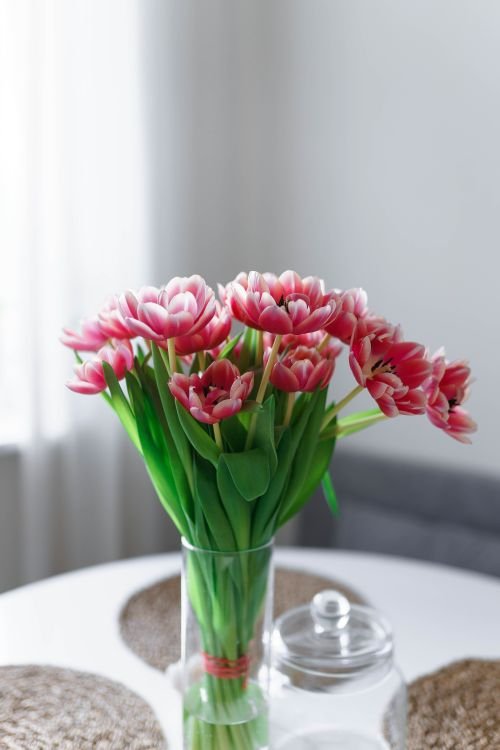
If you do nothing else in this guide, do this: change the water every two days. Dump the old water, rinse the vase, refill it with fresh lukewarm water, and trim a small piece off each stem before you put the flowers back. That short routine takes about three minutes and it is the single most effective habit in flower care. Bacteria start multiplying in vase water within a day, and by day three the count is high enough to clog stems. In tests at the University of Florida, roses left in the same water for eleven days lost up to half of their vase life. The flowers were not old. They were thirsty, and the dirty water would not let them drink.
Cloudy water is the warning sign. If the water looks cloudy, change it right away instead of waiting for the next scheduled change. Clear water can still hold bacteria, so do not wait for the cloud. A quick rinse of the vase each time keeps the bacterial film from building up on the glass. If you see slime on the inside of the vase, scrub it out with soap and hot water before refilling. A vase that feels slippery inside is a vase full of bacteria.
Use the flower food packet if your bouquet came with one. The packet holds three things your flowers need: sugar for energy, citric acid to lower the pH of the water so stems drink better, and a biocide that slows bacteria. Mix it at the dose printed on the packet and stir until it dissolves. In side by side tests by The Kitchn, flowers in water mixed with flower food lasted about seven days, while flowers in plain water that was never changed lasted about three. If you have no packet, you can make a simple version at home. For each quart of water, stir in one teaspoon of sugar, one teaspoon of lemon juice, and a few drops of plain household bleach. The sugar feeds the blooms, the lemon juice makes the water slightly acidic, and the bleach keeps bacteria down. Do not overdo the bleach. A few drops is enough, and too much will damage the stems.
Where to put the vase
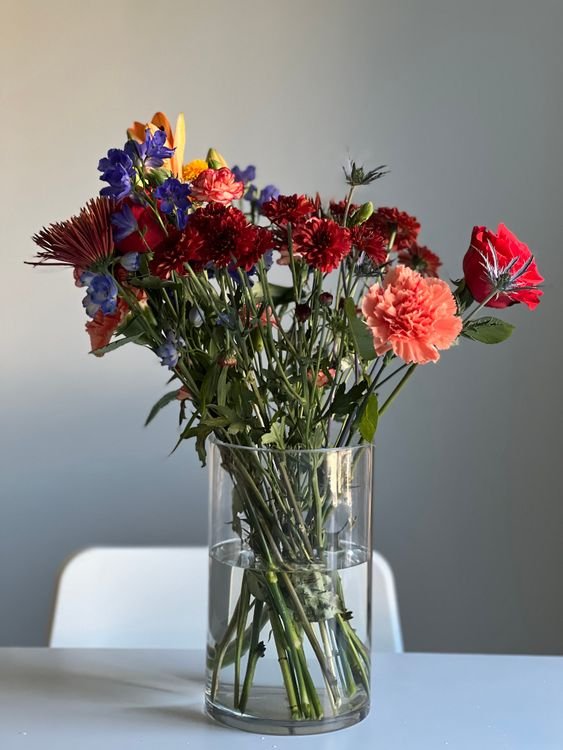
Placement changes vase life more than most people expect. Flowers age fastest in heat, direct sun, and dry air, so pick a cool spot in the room. A table away from sunny windows, radiators, heating vents, and warm appliances is ideal. Direct sunlight heats the water in the vase and speeds up the breakdown of petals. A room at 72 degrees will wilt flowers about twice as fast as a room at 65 degrees. If you have a cool room in the house, that is the best home for the vase, and moving the bouquet into a cold room or the fridge overnight can double its life. Professional florists keep their stock in cold rooms for exactly this reason.
Keep the vase away from the fruit bowl. This sounds strange, but it matters. Ripening fruit, especially bananas, apples, and avocados, releases ethylene gas. Ethylene is a natural plant hormone that triggers aging and ripening. When cut flowers sit near it, their petals drop sooner and their buds open too fast and fade. The University of Massachusetts Amherst Extension suggests keeping flowers at least four feet from ripening fruit. The same goes for a vase sitting next to a television or on top of a warm appliance. Heat and ethylene are quiet killers, and moving the vase a few feet away costs nothing.
A clear surface helps too. A vase looks best when it has space around it, and a tidy spot means you will actually notice when the water needs changing. If your desk or table is crowded, the vase gets ignored. Clearing a small space for it is a tiny act of care that pays off all week. If you need a reason to tidy up, our guide on how to declutter your desk for better focus shows a quick method that takes less than an hour, and a small vase of flowers is a lovely reward to place on the cleared desk when you finish.
What actually works and what does not
Flower care is full of folk advice, and some of it is wrong. Here is what the research and the florists agree on. Aspirin does not help. Purdue University Extension tested it and found no benefit. The idea sounds clever, but aspirin in vase water does not prolong the life of cut flowers. A copper penny does not help either. The metal does not release enough to fight bacteria in any useful way, and old pennies are mostly zinc now anyway. Vodka and other spirits are sometimes suggested because alcohol kills bacteria, but the dose that kills bacteria also damages the flower tissue. Skip all three.
What does work is less exciting but far more reliable. Clean water changed every two days works. A fresh angled cut works. Flower food works. Keeping the vase cool and away from fruit works. A few drops of bleach in the water works, because bleach is a proven biocide at a very low dose. Sugar on its own is a mixed bag: it feeds the flower, but it also feeds bacteria, so use it only with an acid and a biocide, which is exactly what a flower food packet provides. If you remember only the short list, it is this: clean vase, angled cut, fresh water, flower food, cool spot. That is the whole secret, and it is the same list every florist will give you.
One more thing that works is paying attention to the flowers themselves. Pull out any bloom that has faded completely. A dying flower releases ethylene gas, just like ripening fruit, and it speeds up decay in the rest of the bunch. Removing it protects the flowers that are still fresh. The same goes for fallen petals in the water. Fish them out when you see them. Small acts of tidiness add up over two weeks.
How to revive a wilting bouquet
Sometimes a bouquet wilts even when you did everything right. Maybe it sat in a hot car, or the water went unchanged for a few days while you were away. Do not throw it out yet. Most wilting flowers can be revived with a deep drink. Fill a sink or a large bowl with lukewarm water. Trim each stem again at a sharp angle, cutting off at least half an inch, then lay the whole bunch in the water for twenty minutes to two hours. Wrap the flower heads loosely in paper first if they are heavy, so the stems stay supported while they drink. You will often see the heads lift and the petals firm up within an hour.
If only a few stems are drooping, recut just those stems and put them in a separate small vase with fresh water and flower food. Sometimes one variety in a mixed bouquet fades faster than the rest, and separating it lets the others keep going. For roses that have bent at the neck, a warm water soak often straightens them. The bend is usually caused by an air bubble or a clogged stem, and a fresh cut below the bend lets water flow again. If a stem is soft and mushy at the bottom, cut higher up, past the soft part, until you reach firm green tissue. A stem that is mushy all the way through is done, and it is kinder to remove it than to let it rot in the vase.
Flower by flower: what lasts longest
Not all flowers last the same length of time, and knowing what to expect helps you shop better. Carnations are the marathon runners of the flower world and can last up to three weeks with basic care. Chrysanthemums are close behind at two to three weeks. Lilies last about ten to fourteen days, and they open gradually, so a bunch with tight buds gives you a longer show. Roses usually last seven to ten days, and they reward the full routine: a fresh cut, clean water, and a cool spot. Tulips are shorter lived at five to seven days, but they keep growing in the vase, which is charming if you like a bouquet that changes shape. Daisies and sunflowers sit in the middle at about a week, and they drink a lot of water, so check their vase daily and top it up.
When you buy, choose bunches with tight buds and firm green stems. A flower that is fully open in the shop has already used up part of its life. Stems should feel firm, not soft or slimy at the bottom, and the leaves should look green and fresh, not yellow or spotted. A good habit is to buy flowers the way you would buy fruit: look for freshness at the start and you get more days at home. If you are building a weekly habit around fresh flowers, it helps to pair it with another small weekly ritual. Arranging a bouquet is a calm, hands on hobby that fits easily into a busy week, and our guide on how to make time for hobbies as a busy parent shows how to protect thirty minutes for something you enjoy, even when the calendar is full.
A simple weekly routine that works
Here is the whole routine in one place, so you can follow it without rereading the guide. Day one: wash the vase, trim the stems at an angle, strip the leaves below the waterline, fill with lukewarm water and flower food, and place the vase in a cool spot away from fruit and heat. Day three: change the water, rinse the vase, trim a small piece off each stem, add fresh flower food, and remove any faded blooms. Day five: repeat the water change and trim. Keep repeating every two days, and pull out dying stems as you go. That is it. Three minutes every two days, and most bouquets last ten to fourteen days instead of four or five.
Think of it like making the bed or wiping the kitchen counter. It is a small habit, not a project. The flowers reward the habit quickly, which makes it easy to keep. A home with fresh flowers feels calmer and more welcoming, and the routine itself is a pleasant pause in the day. If you have been clearing surfaces around the house, a vase is a good finishing touch for a shelf you have just freed up. Our guide on how to declutter your closet in one weekend shows how to clear space fast, and a small bunch of flowers on a cleared shelf is a simple way to enjoy the result.
Frequently asked questions
How long do fresh flowers last in a vase?
Most cut flowers last five to seven days with no care, and ten to fourteen days with clean water changed every two days, fresh stem cuts, and a cool spot. Carnations and chrysanthemums can last up to three weeks, while tulips usually last five to seven days.
Should I change the water every day?
Every two days is enough if you also rinse the vase and trim the stems. Change it sooner if the water looks cloudy or smells off, because cloudy water means bacteria are already clogging the stems.
What can I put in the water instead of flower food?
Mix one teaspoon of sugar, one teaspoon of lemon juice, and a few drops of plain bleach into each quart of lukewarm water. The sugar feeds the blooms, the lemon juice helps stems drink, and the bleach slows bacteria. Do not use aspirin or a penny, as neither helps.
Why do my flowers die in a few days?
The most common causes are dirty water, stems that were never trimmed, leaves rotting below the waterline, and a vase placed near heat, sunlight, or ripening fruit. Fix those four things and most bouquets last twice as long.
Can I revive wilting flowers?
Often yes. Trim each stem at a sharp angle, then soak the whole bunch in lukewarm water for twenty minutes to two hours. Many flowers lift and firm up within an hour. Cut past any soft or mushy part of the stem until you reach firm green tissue.
Conclusion
Fresh flowers do not need to be a short lived luxury. The reason most bouquets fade in four days is not the flowers. It is dirty water, blocked stems, and a warm spot near the fruit bowl. Wash the vase, cut the stems at an angle, strip the leaves below the waterline, change the water every two days with a little flower food, and keep the vase cool and away from heat and fruit. Those five habits are the whole method, and they turn a four day bunch into a two week bunch for about three minutes of care every other day. Buy a bunch this weekend, follow the routine, and see how long it lasts. The flowers will do the rest, and your table will look brighter for it. If you want to learn how to keep fresh flowers alive longer in a vase for every season, start with this routine and adjust it to the flowers you buy. It works for roses in spring, sunflowers in summer, and mixed bouquets all year round.