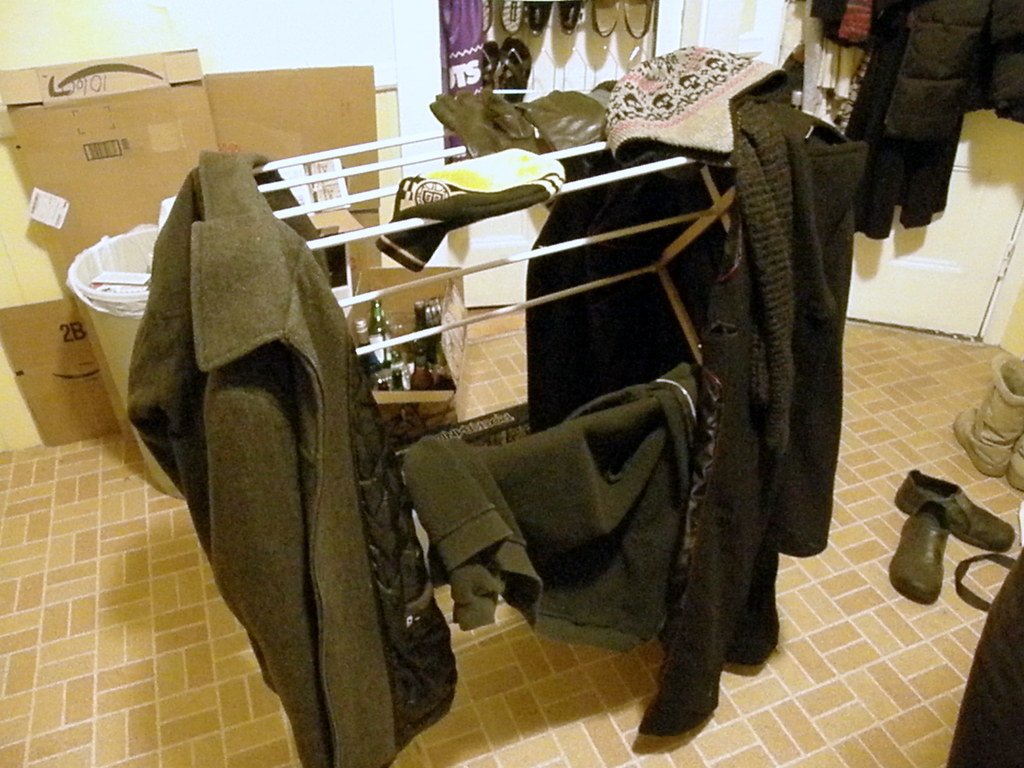
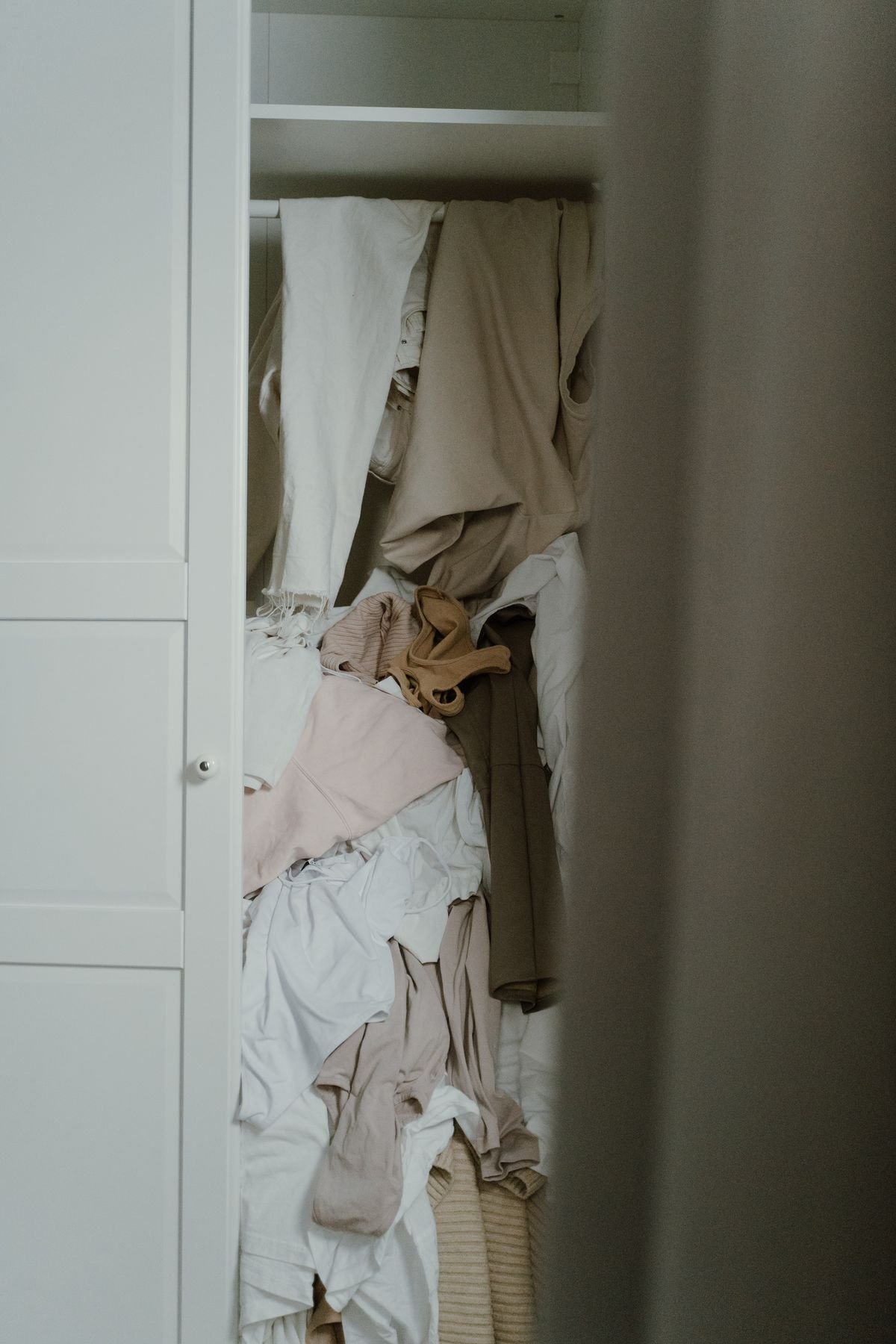
Every morning starts the same way. You open the closet door, stare at row after row of clothes, and feel sure you have nothing to wear. The shelves are full. The hangers are crowded. The drawers barely close. Yet the outfit you actually want never seems to be there. If that scene sounds familiar, you are not lazy and you are not bad at style. Your closet is simply holding too much of the wrong stuff, and it is costing you time, energy, and peace of mind every single day.
Learning how to declutter your closet in one weekend changes that pattern fast. You do not need a new wardrobe, a bigger closet, or a perfect organizing system bought online. You need two focused days, a clear plan, and honest decisions about what stays and what goes. By Sunday evening you can open the same closet door and see only clothes you like, clothes that fit, and clothes you actually wear. This guide walks you through that reset hour by hour, including the emotional side of letting go and a simple system that keeps the closet calm long after the weekend ends.
Why Your Closet Feels Full But You Have Nothing to Wear
The problem is rarely a lack of clothes. Most of us own far more than we wear. Research on closet habits keeps pointing to the same pattern: a small share of the clothes we own gets worn most of the time, while the rest sits untouched season after season. The crowded rail makes the good pieces hard to find, hard to reach, and easy to forget.
Clutter also creates decision fatigue. Every extra shirt, every pair of pants that almost fits, and every top you keep just in case adds one more choice to a morning that already has plenty of choices. When everything looks the same shade of maybe, picking an outfit feels harder than it should. A leaner closet removes that noise. Fewer choices, chosen well, make mornings faster and calmer.
How to Declutter Your Closet in One Weekend: What the Reset Really Looks Like
A weekend reset is not a total home makeover. It is one space, done properly, in two days. Saturday is for the big sort: everything out, honest decisions, and bags leaving the house. Sunday is for putting back only what earns its place, arranging it in a way you can maintain, and setting up a few simple habits that stop the clutter from creeping back.
Plan for about three to four hours of focused work on Saturday and two to three hours on Sunday, with breaks built in. You can do it alone, and many people prefer that, because the decisions are personal. A supportive friend can help with the physical work and keep you honest, but they should not decide for you. The final call on each item is yours.
Before you start, decide where unwanted clothes will go. Line up a donation drop off point, a selling option if you want one, and a trash bag for items that are truly worn out. Having the exit routes ready stops bags from sitting in the hallway for weeks. If you are decluttering a small space first, the same thinking applies, and our guide on how to declutter a small bedroom without throwing everything away pairs well with this weekend plan.
Friday Night Prep: Set Up for a Smooth Saturday
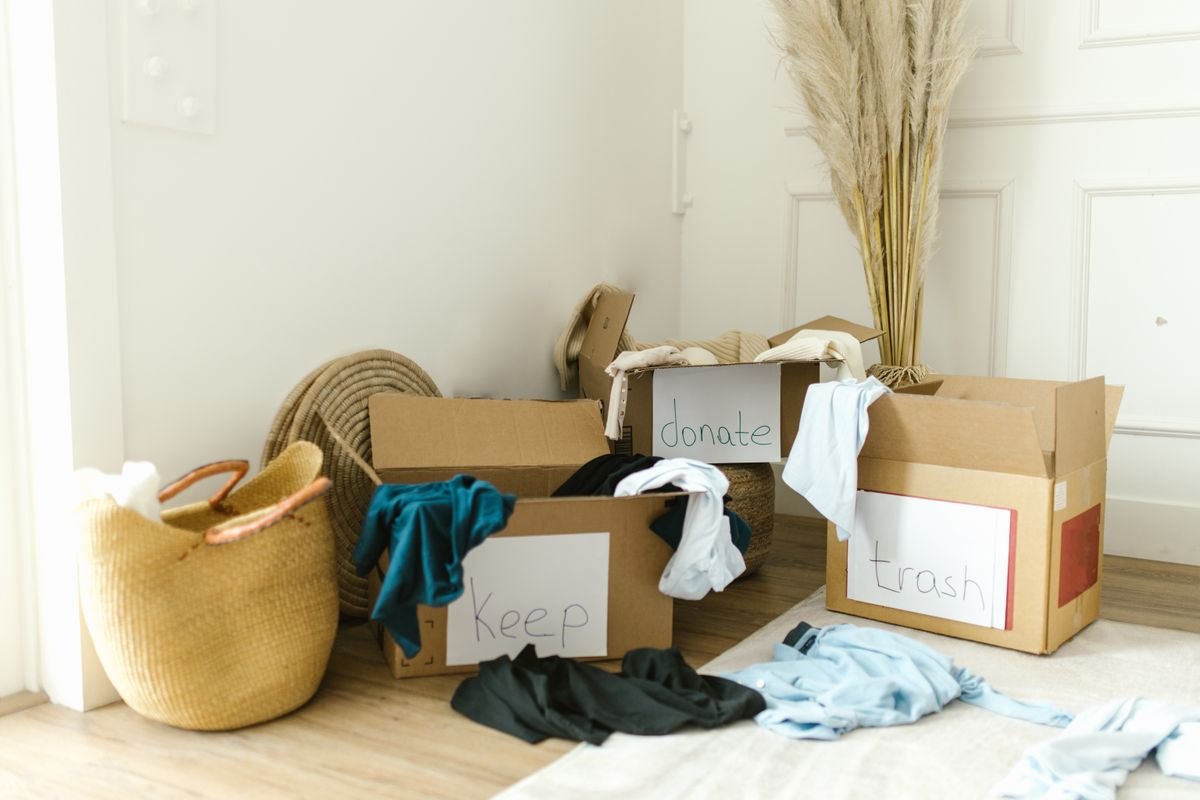
A little prep on Friday night saves a lot of friction on Saturday morning. You do not need to buy anything special. Gather a few large bags or boxes and label them Keep, Donate, Sell, and Trash. You will also want a full length mirror, good lighting, and a laundry basket for items that need a wash before you decide.
Clear a work area, ideally the bed or a clean patch of floor. You need space to lay out piles and see everything at once. Charge your phone if you plan to photograph items for sale, and put on a playlist or a podcast you enjoy. The work goes faster when the mood is light.
Saturday Morning: Take Everything Out
Start Saturday by taking every single item out of the closet. Yes, every item. Hangers, folded stacks, shoes on the floor, bags on the top shelf, and the mystery box at the back. The empty closet matters because it breaks the habit of judging clothes in place, where a crowded rail makes everything look equally needed.
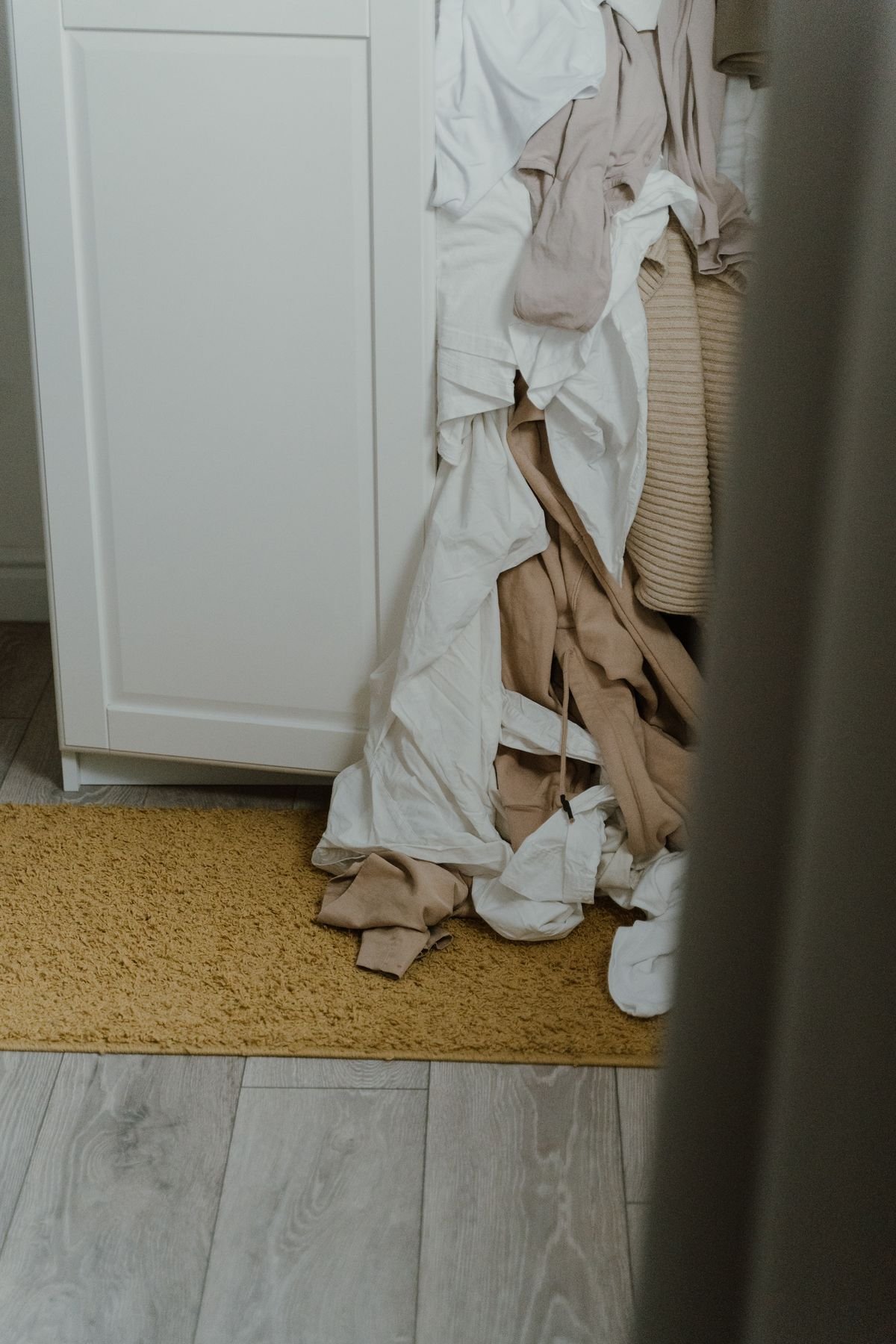
Once the closet is empty, clean it. Wipe the shelves, vacuum or sweep the floor, and check the lighting. A clean, empty space feels like a fresh start, and it makes you less willing to refill it with clutter. While you work, notice how much space you actually have. Most closets feel small only because they are overfilled.
The Four Pile Method That Keeps You Honest
Pick up each item once and decide fast. Use four piles: Keep, Donate, Sell, and Trash. Do not create a fifth pile called Maybe, because Maybe becomes a hiding place for indecision. If you truly cannot decide, try the item on. If it still does not earn a clear yes, it goes in Donate.
Ask these questions for every piece:
- Do I like how I look and feel in this right now, not in some imagined future?
- Does it fit my body today, comfortably, without pulling, gaping, or constant adjusting?
- Have I worn it in the last year, or would I reach for it this week?
- Does it fit my actual life, my work, my weather, and my daily routine?
- Would I buy it again today at full price if I saw it in a shop?
One no does not always mean the item goes, but two or three nos usually do. Trust the pattern. Your closet should reflect the life you live now, not the life you lived five years ago or the life you hope to live someday.
How to Handle the Hard Categories
Some categories are harder than others, so give them their own rules. Sentimental items, like a shirt from a special trip or a dress from a big event, carry memories that have nothing to do with wearing them. Keep one or two true favorites if you have space to store them outside the everyday closet, and photograph the rest before donating. The memory lives in the photo and in you, not in a crowded rail.
Clothes that are the wrong size deserve a firm rule. If an item does not fit now, it does not belong in your active closet. Store one small box of items you are actively working toward only if you have a clear, kind plan, and keep it out of the daily closet. Everything else goes. Your closet should dress the body you have today, with kindness.
Saturday Afternoon: Donate, Sell, and Clear the Bags
By early afternoon the piles should be clear. Bag the Donate pile immediately and put it by the door or in the car. The longer donation bags sit in the house, the more likely you are to pull things back out. If you can drop them off the same day, do it. The physical act of letting them leave the house is part of the reset.
For the Sell pile, be realistic. Only list items that are in excellent condition, from brands people search for, and that you can photograph and post within a week. If an item has been sitting unsold before, or the resale value is tiny, donate it instead and save your time. A small, focused selling pile earns money. A large, vague one becomes clutter in a new place.
Trash means trash: stained, torn, or worn out items that no one else can use. Cut up old cotton shirts for cleaning rags if you like, and recycle textiles where your local service accepts them. The goal is a clean exit for every pile, so nothing drifts back into the closet by default.
Sunday Morning: Put Back Only What Earns Its Place
Sunday is the rewarding part. You now have a Keep pile of clothes you genuinely like. Before anything goes back, do a quick second pass. Pick up each item once more and confirm it still earns a yes. This second look catches the items you kept out of tiredness on Saturday. It is normal for the Keep pile to shrink a little more, and that is a good sign.
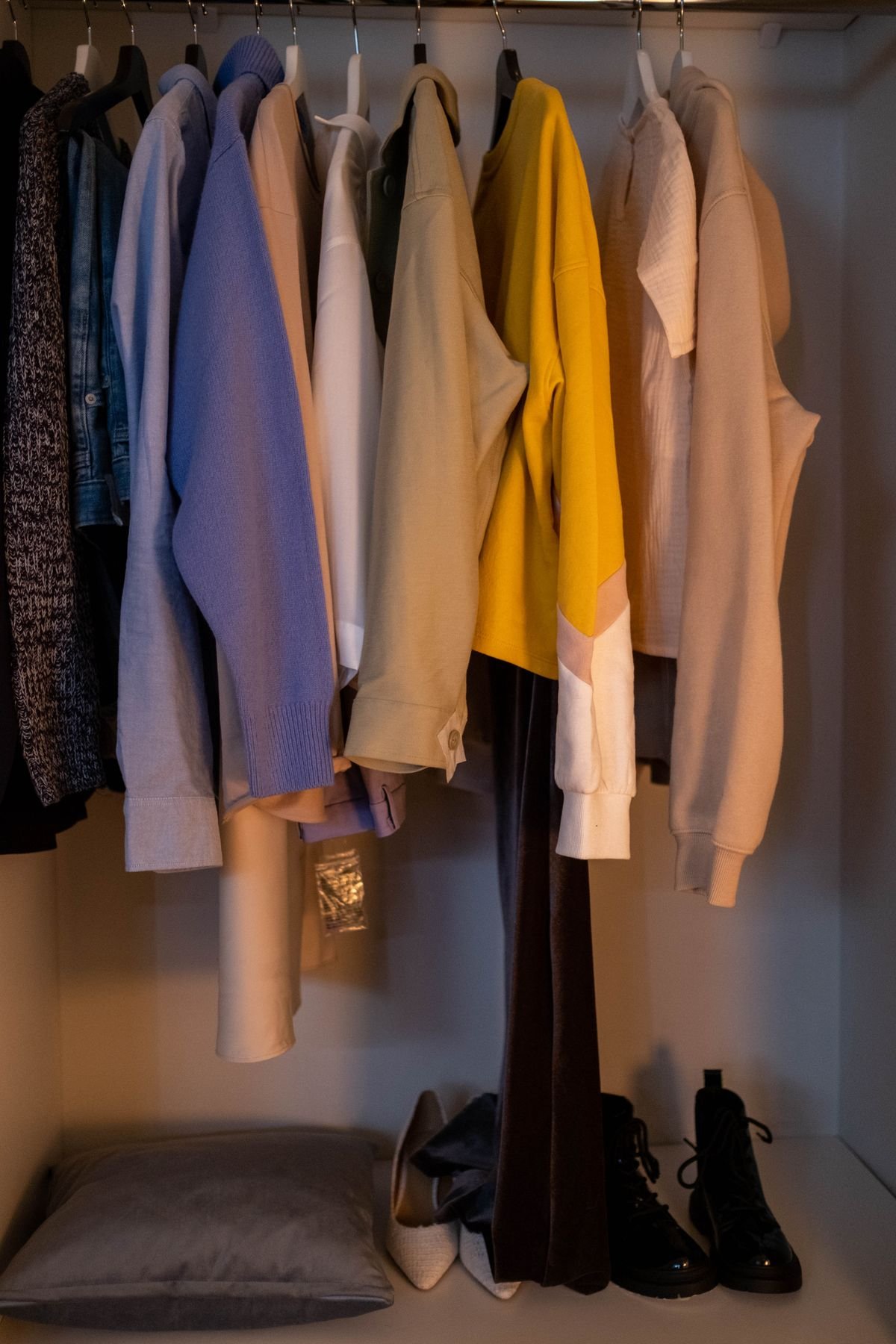
Start with the pieces you wear most. Hang work clothes together, casual clothes together, and special occasion pieces at one end where they are easy to find but not in the daily way. Group by category first, then by color inside each category, from light to dark. Color order looks calm and makes matching faster because your eye finds the shade you want without scanning the whole rail.
Use matching slim hangers if you can. They save space, stop clothes slipping off, and give the closet a uniform look that makes everything feel more intentional. Keep one item per hanger. Doubling up hides clothes and wrinkles them, which is how good pieces get forgotten.
Fold what folds best. Knitwear, heavy sweaters, and T shirts usually do better folded on shelves than hung, where they can stretch out of shape. Fold them neatly in stacks you can actually pull from without toppling the pile. If a stack falls over every time you take one item, the stack is too high or too deep. Smaller stacks are easier to live with.
Arrange by Outfit, Not Just by Type
Category and color order are a strong start, but outfit thinking makes mornings even easier. Notice which tops pair with which bottoms, and hang or place those pairs near each other. You do not need a rigid capsule wardrobe, just a closet where the pieces that work together live close together.
Build a small set of ready outfits for the week ahead. Hang three or four complete outfits at the front of the closet on Sunday night, including shoes and accessories if you like. Monday morning becomes a matter of grabbing a hanger instead of starting from scratch. That one habit alone can change how your week feels.
Keep a small space for a daily launch pad: a hook for tomorrow’s outfit, a tray for jewelry or a watch, and a spot for a bag. When the next day’s clothes are chosen the night before, mornings stop being a scramble. This is also a good moment to sort the space around the closet, since a tidy closet in a messy room still feels chaotic. If your desk area needs the same treatment, read our guide on how to declutter your desk for better focus for a matching reset.
Sunday Afternoon: Shoes, Accessories, and the Top Shelf
Shoes deserve the same honest test as clothes. Line them up, check each pair for comfort, condition, and real use. Keep the pairs you wear weekly near the door or at the bottom of the closet where they are easy to reach. Store seasonal or special occasion shoes higher up, in clear boxes or with a photo label so you can find them without opening every box.
The Emotional Side: Letting Go Without Regret
Decluttering a closet is never just about clothes. Each item can carry a story: a job you left, a size you used to be, a person who gave it to you, a version of yourself you are not sure you want to release. It is normal to feel a wave of sadness or guilt as you sort. Naming that feeling helps it pass.
Try this reframe. You are not throwing away memories or wasting money. You are choosing the clothes that support the life you live now. The items that leave can serve someone else, through donation or resale, instead of sitting unworn in the dark. That is a kinder ending than a slow fade in a crowded closet.
If you hit an emotional wall, pause. Sort an easy category, like socks or plain T shirts, until your energy returns. Or set a timer for twenty minutes and stop when it rings. Small, steady progress beats a dramatic purge that leaves you exhausted and regretful. You can always do another pass next weekend if a few tricky items need more time.
A Maintenance System That Actually Sticks
The weekend reset only works if the closet stays calm. The good news is that maintenance takes minutes a week when the system is simple. The classic one in, one out rule is a solid start: when a new item comes in, an old item leaves. It keeps the total count steady and makes you pause before impulse buys.
Try a seasonal check in, four times a year, for about thirty minutes. At each change of season, pull out the pieces you did not wear, check for repairs, and move seasonal items to the top shelf or storage. This short routine stops clutter from building up silently over months.
Use a simple hanger trick to spot unworn clothes. Turn all your hangers to face one way at the start of a season. When you wear an item, hang it back facing the other way. After a few months, the hangers still facing the original way mark the clothes you never reached for. Those are your first candidates for the next donation bag.
Keep a small donation bag in the closet at all times. When you notice a shirt that no longer fits, a top you never liked, or a duplicate you do not need, drop it straight in the bag. When the bag is full, take it to donation. This habit turns decluttering from a big annual event into a quiet, ongoing routine. A spare room benefits from the same approach, and our guide on how to declutter a spare room fast shows how a single bag and a clear exit plan can transform a whole room.
Your One Weekend Plan at a Glance
Friday night: gather bags and boxes, label them Keep, Donate, Sell, and Trash, clear a work area, and set your intention for the weekend.
Saturday morning: take everything out, clean the empty closet, sort into broad groups, and make fast honest decisions with the four pile method.
Saturday afternoon: bag donations and drop them off, list only the best items for sale, clear the trash, and take a real break.
Sunday morning: second pass on the Keep pile, hang by category and color, fold knitwear neatly, and build three or four ready outfits for the week.
Sunday afternoon: sort shoes and accessories, tidy the top shelf, and set up your maintenance habits, including the donation bag and the hanger trick.
That plan fits into one weekend because it is focused and realistic. You are not trying to change your whole life. You are changing one space, and letting that change make your mornings easier for months to come.
Conclusion: Open the Door on Monday and Smile
Learning how to declutter your closet in one weekend is really about reclaiming your mornings. When the closet holds only clothes you like, that fit now, and that suit your real life, getting dressed stops being a daily frustration and starts being a small pleasure. You save time, you save money on duplicate buys, and you stop starting the day with a sigh in front of a crowded rail.
Start this weekend. Take everything out on Saturday, be honest about what earns its place, and put back a closet that works for you on Sunday. Keep the donation bag in place, check in each season, and let the one in, one out rule guard the calm you created. By Monday morning, the same closet door will open on a very different feeling: clarity, ease, and clothes you actually love to wear.
Frequently Asked Questions
How long does it take to declutter a closet in one weekend?
Most people need three to four hours on Saturday for the full sort and two to three hours on Sunday for putting clothes back and arranging the space. A very full closet may take a little longer, while a small closet can be done faster. Breaks help you stay honest with your decisions.
What should I do with clothes I have not worn in a year?
Donate them unless they are seasonal, special occasion, or maternity clothes with a clear near term use. A year without wear is a strong signal that the item does not fit your current life. Photograph sentimental pieces before donating if the memory matters more than the item itself.
Should I sell my old clothes or donate them?
Sell only items in excellent condition from brands people search for, and only if you can list them within a week. Donate everything else. A small selling pile can earn useful money, while a large pile of low value items often costs more time than it returns.
How do I stop my closet from getting messy again?
Use the one in, one out rule, keep a donation bag in the closet, and do a short seasonal check in four times a year. The hanger trick also helps you spot unworn clothes early, before clutter builds up again over months.
What if I feel guilty letting go of expensive clothes?
The money is already spent, and keeping an unworn item does not refund it. Donating or selling gives the piece a useful life with someone else and frees space for clothes you will actually wear. Keep the lesson about what to buy next time, and let the item go with kindness.