
The meeting was booked for 30 minutes. It started late, drifted into side topics, and ended after 75 minutes with no decision. The same questions returned the next week. The problem is rarely the people. It is the lack of a system. A system fixes that.
This guide shows how to run a small business meeting that actually ends on time. It gives you one repeatable system: a short agenda, timed sections, one decision per topic, a parking lot, and a 5 minute close. It works for teams of 2 to 20 people, in a room, on a video call, or in a mix of both.
How to Run a Small Business Meeting That Actually Ends on Time in Five Parts
The system has five parts. The agenda decides what matters before the meeting starts. Timed sections protect the clock. One decision per topic stops circling. The parking lot protects side topics. The close turns talk into action, with an owner and a date for each decision.
- An agenda sent in advance, with an owner and a time for each topic
- Timed sections, with a visible clock and a chair who calls time
- One decision per topic, stated out loud before you move on
- A parking lot for side topics, written down and reviewed later
- A 5 minute close that reads back decisions, owners and dates
Use all five parts together. A timed agenda without a close leaves work undone. A firm close without timed sections gets squeezed out. Together, they keep the meeting inside the time you booked.
Why Small Business Meetings Run Long
Most long meetings share a pattern. The agenda lists topics, not decisions. A topic called budget update can mean anything, so it expands. A topic called approve the March marketing spend has a clear end point. Small teams need the second kind.
Late starts and missing closes make it worse. A late start rushes the first topic and slips the end time. A missing close leaves different memories of what was agreed. The same topic returns next week, and the team pays for it twice. People check phones when they expect a long meeting.
Start on Time, Every Time
Start at the stated time, even if half the team is missing. It can feel awkward in a small team. It teaches everyone that the start time is real. Latecomers catch up from the notes. If you wait, you teach the team that the start time is only a suggestion.
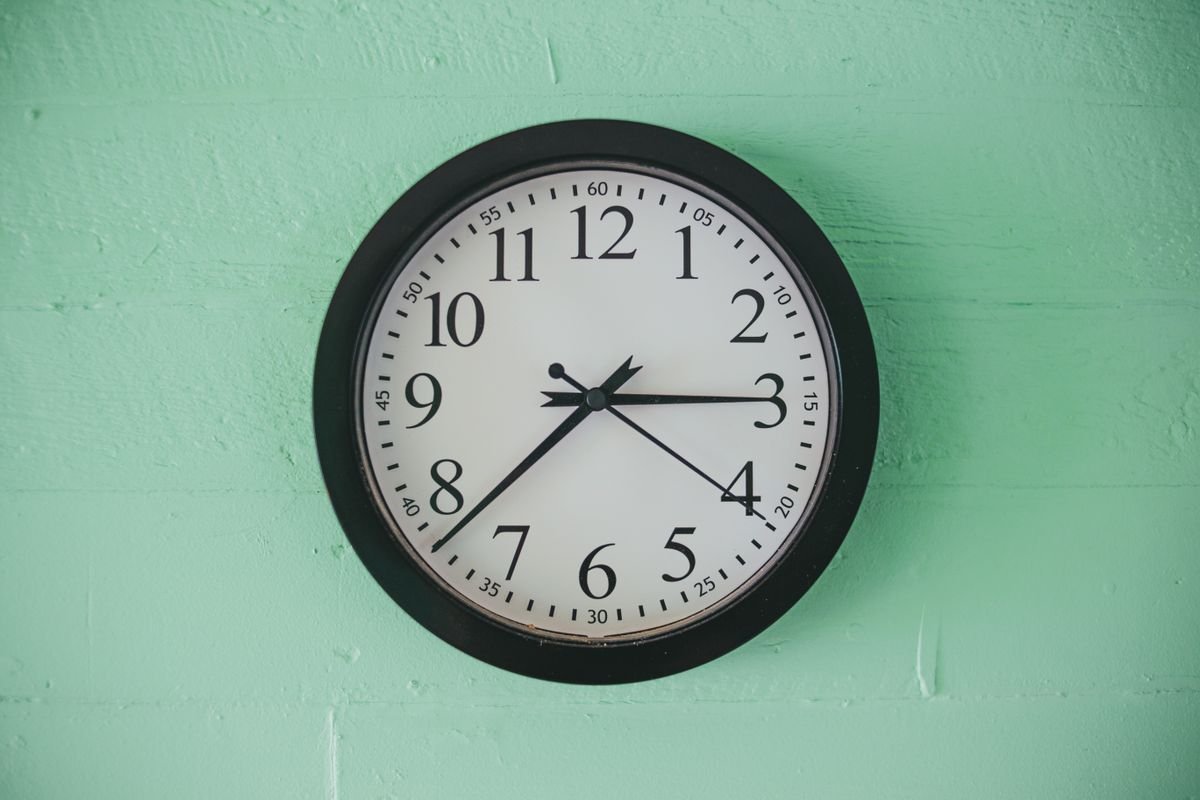
Open with two sentences. State the purpose and the end time. Say, We are here to decide the April schedule and approve the supplier quote, and we will finish at 10:30. Arrive 3 minutes early, open the document, and check sound and screen sharing before the start time.
Build a Short Agenda That Does Real Work
Send the agenda the day before the meeting. Give people time to read, think, and bring the numbers they need. Keep it to three or four topics for a 30 minute meeting. If everything looks urgent, prioritize tasks first. Let the agenda carry only items that need a live discussion and a decision.
- Topic, written as a question or a decision
- Owner, the person who presents it and brings the facts
- Minutes allowed, agreed in advance
- Decision needed, in plain words
- Reading sent with the agenda, not read out
Write each item the same way. For example: Supplier quote, Priya, 8 minutes, approve or reject the quote for the new register system. That line shows who speaks, for how long, and what success looks like. Send numbers with the agenda. The meeting is for questions and decisions. Reading belongs before it.
Give Every Section a Time Limit
Treat time as a budget. A 30 minute meeting has 30 minutes to spend. When one topic spends 20 minutes, the rest must live on 10. Say the budget out loud. Show the agenda with times, and use a visible timer. The clock, not impatience, is the reason to move on.
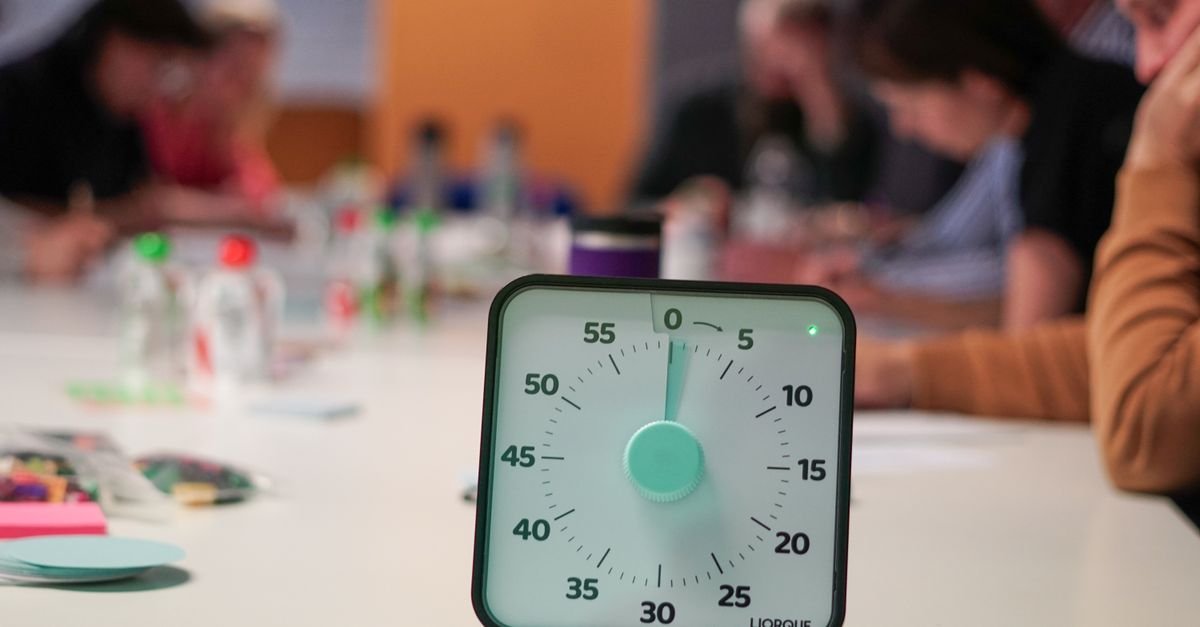
Keep status updates short. Give each person 2 minutes. Ask for three things: what is done, what is blocked, and what is needed. If an update needs a debate, give it its own item and time. Status updates inform the team. They should not become the meeting. Ask for numbers before the meeting, not during it.
When a topic runs over, choose out loud. Extend it by 5 minutes and cut 5 minutes later. Or move it to a separate session. Do not let it run over in silence. Name the choice, agree in seconds, and move on.
One Decision per Topic
End every topic with a decision in one sentence. Say, We approve the quote, Priya will place the order by Friday. Frame each topic as a question, such as, Do we approve the new opening hours for May? Questions focus a room. Labels do not.
If the room cannot decide, decide how to decide. The chair can call for a show of hands. The owner can recommend one option. Or set a deadline for a decision by email within 24 hours. Record any disagreement briefly, and move forward together.
Use a Parking Lot for Side Topics
Side topics are good ideas at the wrong time. A question about website redesign matters, but not during a meeting about the April schedule. The parking lot gives it a home, so the speaker feels heard. Write it where everyone can see it.
Give each parked topic an owner and a next step. Write the topic, the person who raised it, and what happens next. For example: Website photos, Sam, Sam to send three examples before the next meeting. Review the parking lot at the close if time remains.
Close With Owners and Dates
Protect the last 5 minutes. No new topics enter the close. No new debate starts there. The close is for reading back decisions, naming owners, and confirming dates. A meeting without a close creates the next long meeting.

Read decisions back out loud, one by one. Say the decision, the owner, and the date. Ask the owner to confirm. Hearing the list catches misunderstandings while the room is together, when they cost seconds to fix. Thank each owner by name as you read the list.
Send short notes the same day. List decisions, owners, dates, and parked topics. Store them in one shared place, such as a digital filing system for small business. If the note taker photographs the flip chart, first check the phone has room, and see how to free up phone storage without deleting photos. End on time, and confirm the next meeting.
Scripts for Cutting Tangents Politely
The chair needs exact words. In the moment, a polite interruption is hard to invent. These scripts give a kind and firm way back. Practice them once, so they sound natural.
- That is a useful point. Can we hold it in the parking lot and return to the supplier decision?
- Thank you for that detail. We have 3 minutes left. Can we agree the decision and take the detail offline?
- We are 5 minutes over. Do we extend by 5 minutes, or decide now and continue by email?
- Let us pause there. What decision do we need, and who will own it by Friday?
Each script thanks the speaker, names the time, and offers a next step. The tone stays warm. The boundary stays firm. If one person raises long tangents weekly, speak with them before the next meeting.
A Sample 30 Minute Agenda You Can Copy
Here is a 30 minute agenda for a weekly meeting. Copy the shape, change the topics, and keep the times. Every section has a time, an owner, and a decision.
- Minutes 0 to 2: Welcome. State the purpose and the decisions needed.
- Minutes 2 to 7: Quick updates. Two minutes each, at most.
- Minutes 7 to 17: Main topic. Present facts, discuss, and decide.
- Minutes 17 to 25: Second topic. Present facts, discuss, and decide.
- Minutes 25 to 30: Close. Read back decisions, owners, and dates.
For a 45 minute meeting, add a third topic in the middle. For a 15 minute meeting, keep one decision and a 3 minute close. Name owners on the agenda. When people see their name, they prepare. Keep the same shape every week, so the team learns the rhythm.
Remote and Hybrid Meetings Need Extra Discipline
Remote and hybrid meetings lose time in new ways. Links fail. Two people speak at once. Side chats pull attention away. The system still works, but the chair must run it visibly, with the agenda and timer on screen.
Share the agenda from the first minute. Keep the timer beside it. Use chat for parking lot items. The note taker types decisions live, so all see the same words. Test the link before the start time, and send notes the same day.
For hybrid rooms, name one person in the room to watch the chat. That person reads parking lot items aloud. No remote voice is lost, and no chat message waits until after the meeting ends.
What to Do When a Meeting Still Runs Long
If a meeting still runs long after three tries, review the pattern. Which section overran? Was the topic too big? Was the reading missing? Was the decision unclear? Fix the pattern, and change one thing next time.
Try a 25 minute default. It forces a short agenda. Cancel meetings with no decision to make, and send the update by email. Ask the team for one improvement, and act on it. One review can save hours every month.
A Shorter Meeting Is a Decision, Not a Hope
Meetings end on time when the team decides they will. A short agenda, timed sections, one decision per topic, a parking lot, and a 5 minute close need no new software. They need a chair who starts on time and a close that names owners and dates. The system costs nothing, and it starts at the next meeting.
Learning how to run a small business meeting that actually ends on time is a skill the team can practice together. Use the sample agenda and the scripts at the next meeting. The first meeting may feel strict. The third will feel normal.
- Send a short agenda in advance, with an owner and a decision
- Start on time, show the timer, and protect the close
- End each topic with a decision, an owner, and a date
- Park side topics visibly, with an owner and a next step
Start with one change if the full system feels like a lot. Start on time, and close with owners and dates. Add the timed agenda the following week. Small steps, kept weekly, turn a 75 minute drift into a 30 minute meeting that ends with clear decisions.
Frequently Asked Questions
How long should a small business meeting last?
Most weekly meetings work well at 25 to 30 minutes. That covers updates, one or two decisions, and a firm close. Book 45 minutes only for a longer discussion. Book 15 minutes for one decision. Shorter meetings force sharper agendas.
What if one person always talks too long?
Speak with them before the meeting. Agree a shorter slot, and ask for detail in writing. In the meeting, use a parking lot script. Thank them, name the time left, and offer a next step.
Should every meeting have an agenda?
Yes. Every meeting needs an agenda, even a short one. Without one, there is no agreed purpose and no clear end point. If no decision is needed, cancel it and send an email update.
How do you handle a late starter in a small team?
Start on time, and let latecomers catch up from the notes. Speak with a regular late starter privately. Ask what would help them arrive on time. Keep the tone kind and the rule firm.
What should the notes after the meeting include?
Keep notes to one page. List decisions, owners, dates, and parked topics. Send them the same day, and store them in one shared place. Open the next meeting by checking the last notes, so follow up is built in.