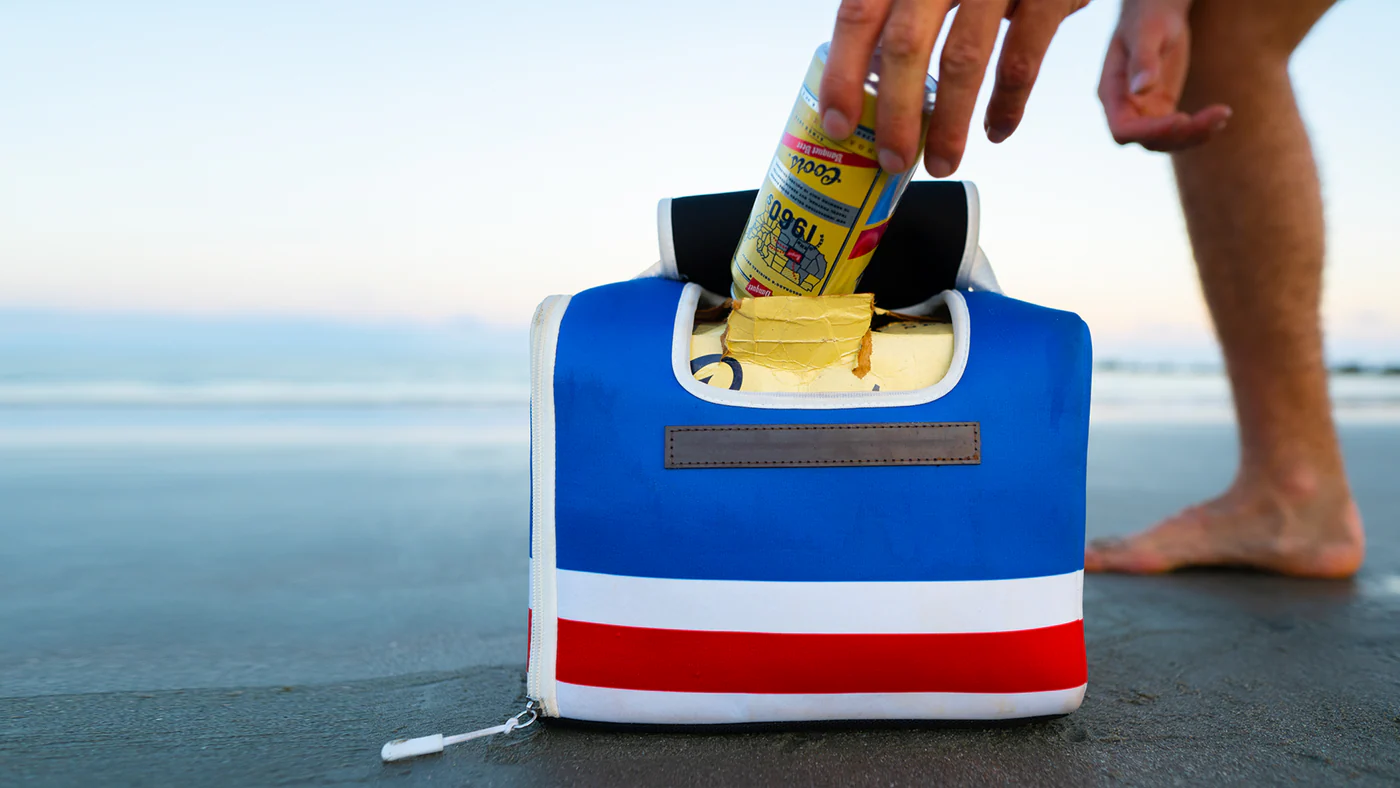
If you have ever shown up to a tailgate with a warm case of beer because the ice melted before you even parked the car, you already understand the problem Kanga coolers were built to solve. These insulated case coolers slide directly over a store bought pack of cans and keep them cold for hours without a single cube of ice.
That single idea, an iceless cooler that works with the packaging you already have, is why Kanga coolers have become a fixture at tailgates, beach trips, golf outings, and backyard barbecues across the country. In this guide, we will walk through exactly how they work, what makes them different from a standard cooler, which Kanga collection fits your lifestyle, and whether the investment actually makes sense for the way you drink and travel.
By the end, you will have a clear, honest picture of what a Kanga cooler can and cannot do, so you can decide if it belongs in your car trunk or golf bag this summer.
What Are Kanga Coolers
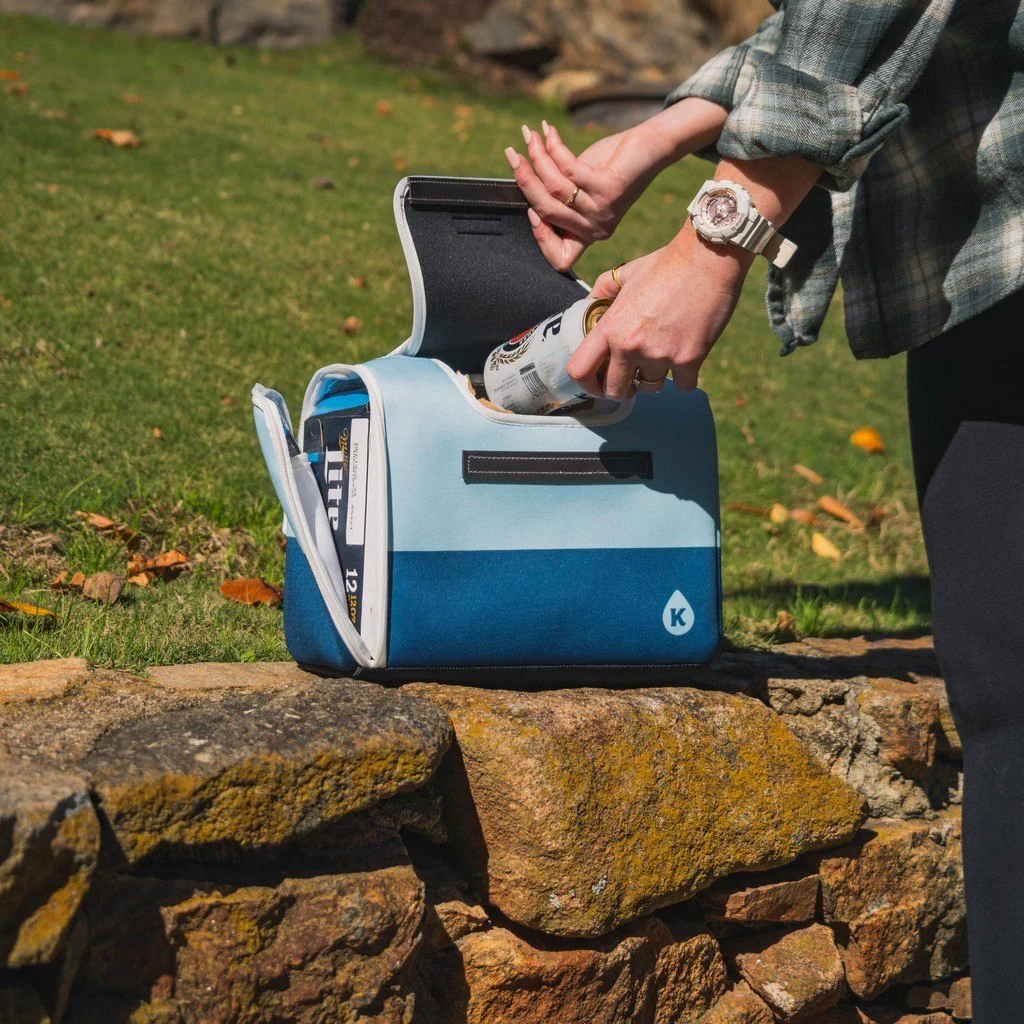
Kanga is a cooler brand built around a simple concept: instead of transferring cans into a bulky hard sided cooler and burying them in ice, you slide the entire case, cardboard and all, into an insulated sleeve. Zip it closed, and the drinks stay cold for hours using nothing but the insulation itself.
The company’s flagship product is called the Kase Mate, a soft sided, neoprene lined sleeve designed to fit a standard 12 pack, 24 pack, or 30 pack of cans. Since its debut, the brand has expanded into a full lineup that includes lunchbox style coolers, backpack style options, and pouch coolers for smaller groups.
What sets the concept apart is convenience. There is no ice to buy, no melted water to drain, and no soggy cardboard box falling apart in your hands. You grab a cold case from the fridge or store, slide it in, and go.
The Origin Story Behind the Brand
Kanga’s founders have said the idea came from a common tailgate frustration: ice runs, soggy boxes, and coolers that were either too small or too heavy to carry far. Rather than build a better ice chest, they built a product that skipped ice altogether for short outings.
The brand gained wider recognition after appearing on Shark Tank, which introduced it to a much larger audience of outdoor enthusiasts, sports fans, and gift shoppers looking for something a little different from the usual hard cooler.
How Kanga Coolers Keep Drinks Cold Without Ice
This is the part most people are genuinely curious about, and it comes down to basic thermodynamics rather than anything exotic.
A can of soda or beer that comes straight from a refrigerator or a cold store shelf is already close to the ideal drinking temperature. The challenge is not making it cold. The challenge is slowing down how quickly it warms up once it leaves that cold environment.
Kanga coolers use multiple layers of insulating material, typically a neoprene or foam based lining, wrapped around the case to create a thermal barrier. This barrier slows the transfer of heat from the outside air into the cans, so the cold that is already inside the drinks stays put for longer.
Why This Works Best With Already Cold Drinks
The key detail that separates a Kanga cooler from a traditional ice chest is this: it insulates existing cold, it does not generate new cold. If you load a case of room temperature soda into a Kanga cooler, it will stay at roughly that temperature. The product is designed to preserve a cold start, not chill a warm one.
That is why the brand recommends grabbing drinks straight from a refrigerator, a store cooler, or an already iced down source before sliding them into the sleeve. Do that, and the insulation can realistically hold that starting temperature for several hours depending on ambient conditions.
Factors That Affect How Long Drinks Stay Cold
A few variables influence real world performance, and being aware of them helps set realistic expectations:
- Starting temperature of the drinks when they go in
- Outdoor air temperature and direct sun exposure
- How often the cooler is opened and closed
- Whether the case is full or partially used, since fewer cans mean less thermal mass to hold the cold
Under favorable conditions, most users report drinks staying refreshingly cold for the marketed window of around seven hours. In extreme heat or with frequent access, that window can shorten, which is worth knowing before a full day event.
The Different Kanga Cooler Collections
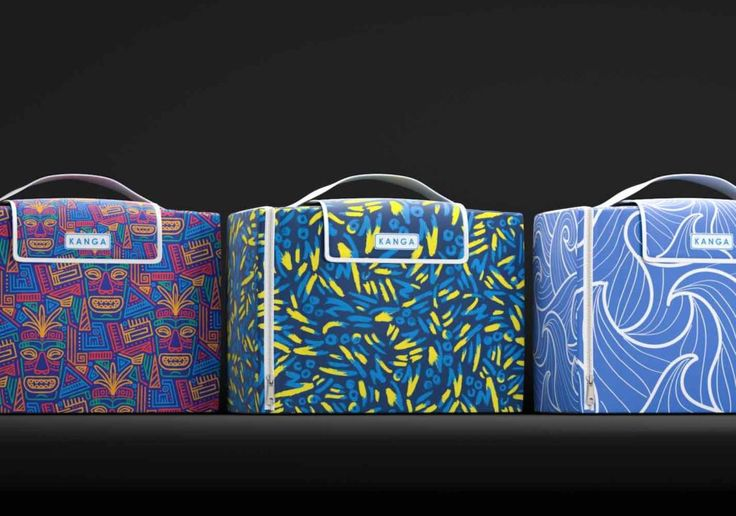
Kanga has grown well beyond a single product, and understanding the lineup helps you pick the right one for how you actually use it.
Kase Mate
The original design. It slides over a 12 pack, 24 pack, or 30 pack case and zips closed with a magnetic flap for quick access. This is the core product most people mean when they search for a Kanga cooler.
BrewBox
A hybrid lunchbox and drink cooler. It is built to carry a 12 pack of cans alongside snacks or a packed lunch, making it popular with people who want one bag that works for the office and after hours plans.
Hideaway
A more compact, stylized option often used for golf outings, boating, or beach trips where portability and a smaller footprint matter more than maximum capacity.
Pouch Coolers
Smaller, single serving or few can options designed for individual outings, hikes, or days when you do not need to carry an entire case.
Kanga Coolers vs Traditional Coolers
It helps to compare a Kanga cooler against the hard sided or large soft sided coolers most households already own, since they solve slightly different problems.
A traditional ice chest, especially a rotomolded hard cooler, is built for multi day trips. Pack it with ice, and it can keep contents cold for a day or longer, sometimes several days with high end models. The tradeoff is weight, bulk, and the need to buy and manage ice.
A Kanga cooler trades that multi day capacity for convenience. It is lighter, smaller, and requires zero ice, but its cold retention window is measured in hours rather than days. For a tailgate, a round of golf, a beach afternoon, or a short boat trip, that tradeoff makes sense. For a weekend camping trip where drinks need to stay cold for 48 hours, a traditional cooler or a dedicated brand like AO Coolers is the better fit.
Think of it less as a replacement for your big cooler and more as the right tool for shorter outings where speed and simplicity matter more than long term ice retention.
Who Kanga Coolers Are Best For
Based on how the product is designed and how customers actually use it, a few groups get the most value:
- Tailgaters who want to skip the ice run and packing hassle before kickoff
- Golfers looking for a compact cooler that fits easily in a cart or bag
- Beachgoers who want something lightweight to carry from the car to the sand
- Commuters using the BrewBox style option to combine lunch and drinks in one bag
- Gift shoppers looking for a unique, useful present for someone who golfs, fishes, or tailgates regularly
If your primary need is keeping drinks cold for multiple days during extended camping or fishing trips, a Kanga cooler will not replace a full sized ice chest. It shines brightest in shorter, activity based outings where convenience outweighs long term capacity.
How to Get the Most Out of Your Kanga Cooler
A little bit of technique goes a long way toward hitting that seven hour cold window.
- Start with the coldest possible case. Pull it straight from a refrigerator or a store’s cold section rather than room temperature storage.
- Load it right before you leave, not hours in advance, so you are not losing cold time sitting in a garage or car trunk.
- Keep it out of direct sunlight when possible. Shade under a table, in a trunk, or inside a bag adds meaningfully to retention.
- Limit how often you open and close it. Every opening lets warm air in and cold air out.
- Consider a Beer Block or similar ice pack accessory if you want to extend the cold window beyond the standard hours, especially in very hot weather.
These small habits are the difference between a cooler that barely gets you through the afternoon and one that comfortably lasts the entire event.
Caring for and Maintaining Your Kanga Cooler
Because the exterior is typically a durable fabric rather than hard plastic, care is straightforward but different from a standard ice chest.
Most Kanga products can be wiped down after use or washed by hand with mild soap and cold water. Some are also safe for a gentle cycle in a washing machine, though air drying afterward is recommended rather than a dryer, which can damage the insulating lining over time.
Regularly check the zipper and magnetic flap for debris, since sand and grit from beach trips or dirt from tailgates can affect how tightly the cooler seals, which in turn affects how well it holds cold air inside.
What Real Buyers Say
Customer feedback consistently points to a few recurring themes. People appreciate how lightweight and easy to carry the coolers are compared to a packed ice chest, and many mention buying them as gifts for golfers, fishermen, or family members who tailgate often.
The most common praise centers on convenience: no ice to buy, no soggy box, and a simple grab and go process. Some reviewers also note that the design and colorway options make it a more attractive option than a purely utilitarian hard cooler, which matters for anyone who cares about how their gear looks at a tailgate or on a boat.
Is a Kanga Cooler Worth the Money
Whether a Kanga cooler is worth buying really comes down to matching the product to your actual use case rather than expecting it to do everything a traditional cooler does.
If most of your drinking and outdoor plans involve outings of a few hours, tailgates, golf rounds, beach afternoons, or a quick boat trip, the convenience of skipping ice entirely is a genuine upgrade over lugging a heavy chest. The lighter weight and simple setup save real time and effort on the kind of trips people take most often.
If your typical trip is a multi day camping or fishing excursion where drinks need to stay cold well beyond a single afternoon, a Kanga cooler should be viewed as a complement to a traditional ice chest rather than a full replacement. Many outdoor enthusiasts end up owning both and choosing based on the length of the trip.
Conclusion
Kanga coolers solve a specific and very common problem: keeping already cold drinks cold for a few hours without the hassle of ice, melted water, or a bulky chest to carry around. The insulated design, built around the popular Kase Mate along with the BrewBox, Hideaway, and pouch options, gives shoppers flexibility depending on whether they need lunch and drinks combined, a compact golf friendly option, or the original case sized sleeve.
The key to getting the most from one is simple: start cold, load it right before you leave, keep it shaded, and limit how often you open it. Do that, and a Kanga cooler comfortably delivers on its promise for tailgates, golf outings, beach days, and any short trip where convenience matters more than multi day ice retention.
For longer trips, pair it with a traditional cooler rather than expecting it to replace one entirely. Used the right way, a Kanga cooler earns its spot as one of the simplest upgrades you can make to how you carry drinks this season.
Frequently Asked Questions
How long do Kanga coolers actually keep drinks cold?
Most Kanga products are designed to keep already cold drinks cold for up to about seven hours, depending on outdoor temperature, sun exposure, and how often the cooler is opened.
Can you add ice to a Kanga cooler for longer cold retention?
Yes. While the core design works without ice, many users add an ice pack accessory such as a Beer Block to extend the cold window in very hot weather or for longer events.
What sizes do Kanga coolers come in?
The Kase Mate is available in sizes built to fit 12 pack, 24 pack, and 30 pack cases of standard or slim cans, so you can match the size to your group and event.
Are Kanga coolers machine washable?
Many Kanga products can be hand washed with mild soap and cold water, and some are safe for a gentle machine cycle. Air drying is recommended over machine drying to protect the insulating lining.
Is a Kanga cooler a good replacement for a traditional ice chest?
Not entirely. It excels for shorter outings of a few hours where convenience matters most, but for multi day trips a traditional ice chest or a brand built for extended ice retention is still the better choice.