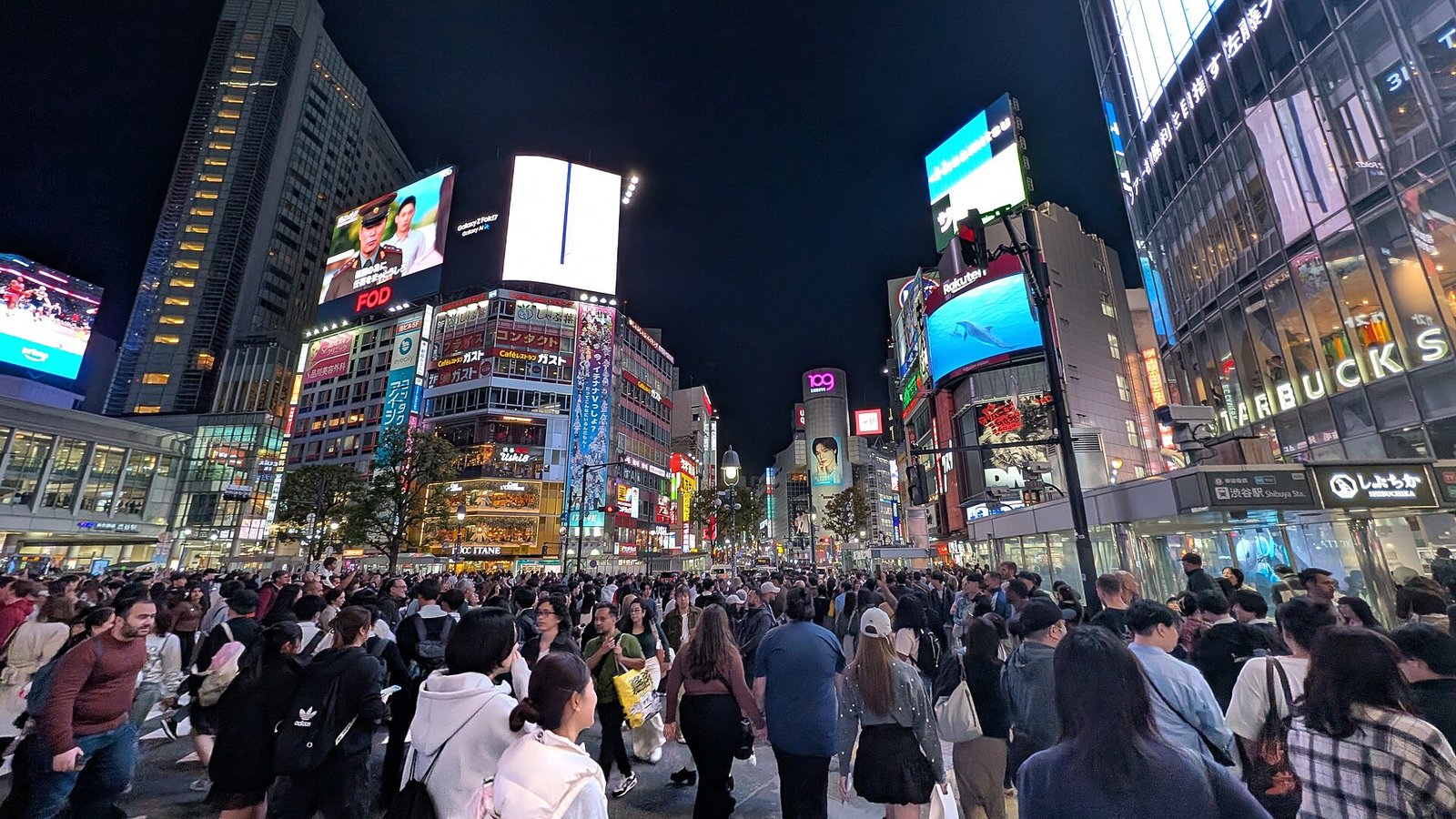
Mina stepped out of Haneda Airport at four in the afternoon, blinking in the bright Tokyo sun. Her body was certain it was seven in the morning. She had flown all night from London, dozed in fits, and arrived with a head full of fog. She checked into her hotel, told herself she would rest for just one hour, and woke up at midnight, wide awake, hungry, and completely out of step with the city around her. The next two days felt the same. She saw Tokyo through a haze, yawned through dinner, and lay awake at three in the morning staring at the ceiling.
That fog has a name, and it has a fix that has nothing to do with pills. This guide explains how to beat jet lag on a long haul flight without sleeping pills, using timing instead of sedation. The plan has three parts: shift your body clock a little before you fly, run the flight on destination time, and anchor your first day with light, food, and movement. It works for a flight to Japan, and it works for any long haul flight in either direction.
Why Jet Lag Hits So Hard on a Long Haul Flight
Jet lag is not tiredness. It is a timing problem. Your body runs on an internal clock that expects light in the morning, food during the day, and sleep at night. A long haul flight drags you across several time zones in a single day, and your clock cannot keep up. The result is the classic mix: broken sleep, heavy eyelids in the afternoon, a wide awake brain at three in the morning, a dull stomach, and a short temper.
Flying east is usually harder than flying west. Your internal clock runs a little longer than 24 hours, so stretching the day feels more natural than shortening it. A flight from London to Tokyo moves you eight or nine time zones east, depending on the season, and your body has to wind its clock forward by that much. A flight from New York to Tokyo crosses even more time zones, around 13 or 14 hours of difference, so the first days can feel upside down.
Sleeping pills look like a shortcut, and that is exactly the problem. A pill can force sleep, but it cannot reset your clock. Many travellers wake up groggy, sleep at the wrong local time, and then feel worse the next day. Some pills also leave you unsteady on your feet in a strange hotel room in the middle of the night. The timing plan in this guide does the opposite. It gives your body clock clear signals at the right moments, so sleep arrives naturally when Tokyo says it should.
How to Beat Jet Lag on a Long Haul Flight Without Sleeping Pills
The whole plan rests on one idea: your body clock listens to light, meals, and movement more than it listens to willpower. Give it the right signals in the right order and it will adjust far faster than if you simply wait it out. Here are the three parts, in the order that matters.
Part One: Start Shifting Two Days Before You Fly
Do not wait until boarding to start. Two days before departure, begin moving your sleep and meal times toward Tokyo time. For an eastward flight, go to bed 30 to 60 minutes earlier each night and get up 30 to 60 minutes earlier each morning. Even a partial shift helps, because your body arrives with less distance to cover.
Light is the strongest signal you have, so use it on purpose. Get bright light soon after waking in those two days, ideally by stepping outside for 15 minutes. In the evening, dim the lights and put screens away an hour before bed. Eat your meals a little earlier too, since meal timing also nudges the clock. Keep the shift gentle. Moving everything by three hours in one night will only leave you tired before you reach the airport.
Use the same two days to prepare your flight kit. A good eye mask, soft earplugs, a neck pillow, and a light blanket or large scarf will matter more than any gadget. Pack them where you can reach them without opening the overhead bin. If you are still deciding what goes in your bag, read our guide on how to pack light for a weekend trip without checking a bag for a packing system that keeps the essentials on top.
Part Two: Run the Flight on Destination Time
As soon as you board, set your watch and your phone to Tokyo time and live by it. This single habit is the heart of the plan. If it is night in Tokyo, treat the flight as night. If it is morning in Tokyo, stay awake, eat, read, and watch a film. The mistake most travellers make is living by home time for the whole flight, then wondering why their body is still on home time at arrival.
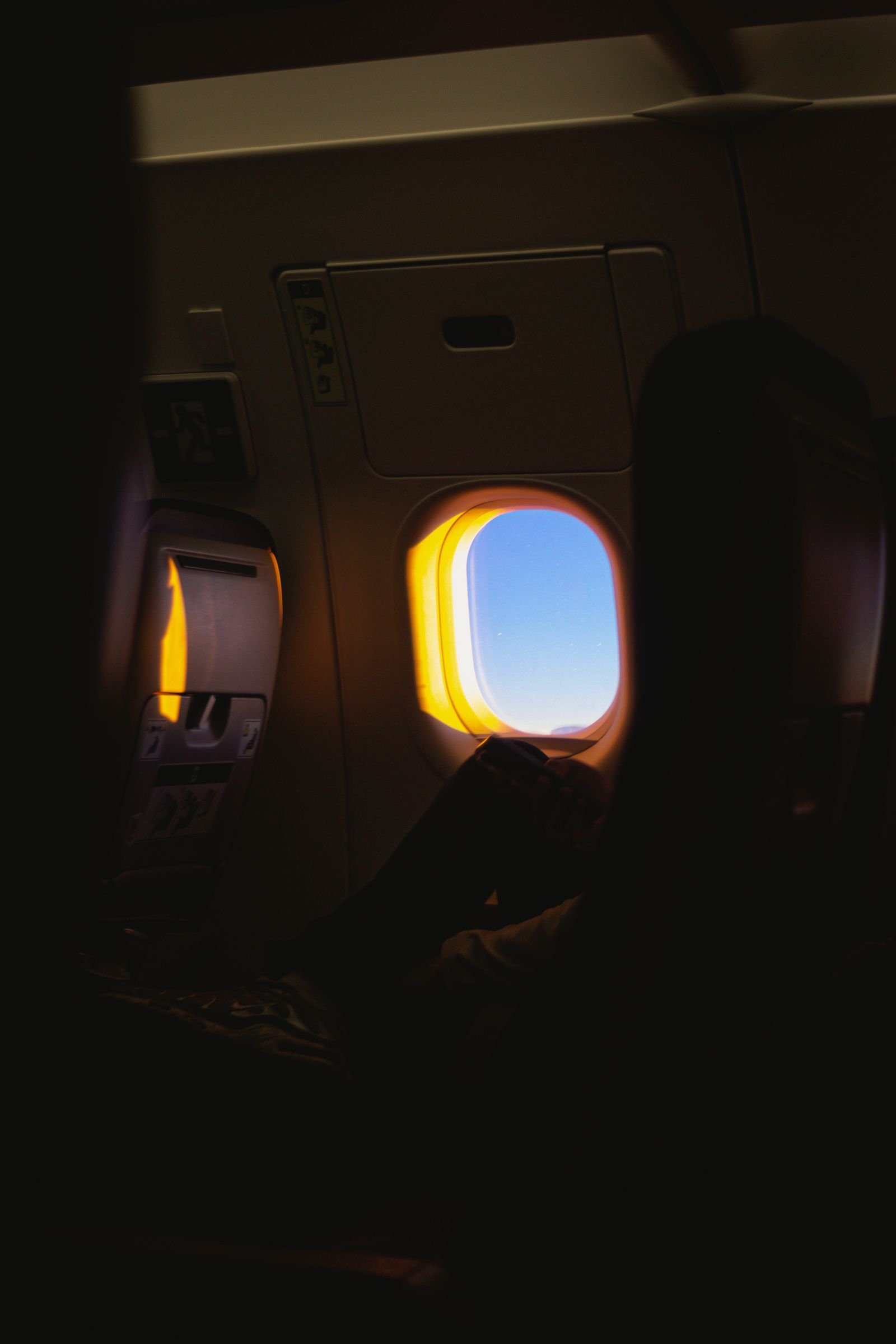
If Tokyo is in darkness while you fly, make the cabin dark for yourself. Put on the eye mask, use the earplugs, recline the seat, and try to sleep in one solid block rather than a series of short naps. A neck pillow stops your head from dropping forward, which is the main reason plane sleep feels so broken. Keep the window shade down if light is streaming in, and ask the crew for water before you settle so you do not wake up thirsty.
If Tokyo is in daylight while you fly, do the opposite. Keep the shade up for a while, stay awake, and move. Walk the aisle every hour or two, stretch your shoulders and legs, and drink water regularly. Cabin air is very dry, and dehydration makes every jet lag symptom worse. Eat the meal that matches Tokyo time, even if your stomach thinks it is the middle of the night. That meal is a signal, not just fuel.
Keep caffeine on a schedule too. A coffee can help you stay awake during a Tokyo daytime, but stop drinking it at least six hours before the time you plan to sleep. Caffeine late in the flight will still be working when you reach your hotel bed. Skip alcohol as a sleep aid. It may make you drowsy, but it breaks up your sleep and dries you out, so you wake up more often and feel worse.
Part Three: Anchor Your First Day After Landing
Your first day in Japan sets the pattern for the whole trip, so protect it. The rule is simple: get outside into bright daylight within 30 minutes of landing if it is daytime, and stay awake until a normal local bedtime. Morning light is the single most powerful reset signal for your body clock. A 20 minute walk outside does more than any supplement.
Eat your first meal at the local breakfast time, even if you are not hungry. A proper breakfast tells your body that the day has started. Then keep moving. Walk to a park, explore a neighbourhood on foot, or ride the train to a nearby sight. Gentle movement keeps you awake and helps your body accept the new schedule. If you need a nap, keep it short, no more than 20 minutes, and take it before mid afternoon. A long afternoon nap is the fastest way to stay on home time for another day.
When evening comes, dim the lights, eat a light dinner, and go to bed at a normal local time, even if you still feel a little off. A warm shower and a dark, cool room help. If you are spending your first days in Tokyo, our guide on how to plan a weekend trip to Kyoto on a budget shows how to build a relaxed first day that keeps you moving without wearing you out.
What to Eat and Drink on a Long Haul Flight
Food is a clock signal, so timing matters more than the menu. Eat at the times Tokyo eats, and keep portions modest. Heavy, rich meals on a plane sit badly when your stomach is already confused, and they make sleep harder. Choose lighter options, eat slowly, and leave a little room.
Water is your best friend in the air. Aim for a glass of water every hour you are awake, and accept every bottle the crew offers. Tea and coffee count less, because caffeine pushes your clock in its own direction. Save caffeine for the morning at your destination, and skip it after midday local time.
Alcohol deserves a clear warning. A glass of wine with dinner may feel relaxing, but it fragments sleep, increases dehydration, and can leave you with a headache on arrival. If you want to arrive clear headed, skip it on the flight and save the celebration for your first evening in Tokyo, when you are safely on local time.
How to Sleep on the Plane Without Pills
Good plane sleep is a skill, and it starts before you board. Choose your seat with sleep in mind. A window seat gives you a wall to lean on and control of the shade. An aisle seat gives you legroom and easy access to walk around, but you will be woken when neighbours move. A seat away from the galley and toilets is quieter. If you can, pick a seat over the wing, where the ride is smoothest.
Build a small sleep routine, the same way you would at home. Change into comfortable clothes or at least loosen tight layers. Brush your teeth. Put on the eye mask and earplugs. Listen to something calm or a familiar audiobook at low volume. Tell your body that this is bedtime, and it will usually cooperate, especially if you have already started shifting your clock before the flight.
Comfort matters more than most travellers expect. A neck pillow that actually fits, a light blanket, warm socks, and a lumbar cushion can turn a miserable seat into a workable bed. The same tricks help in any shared sleeping space, from a night train to a hostel. Our guide on how to sleep comfortably in a hostel dorm bed covers earplugs, eye masks, and light sleep routines that work just as well at 35,000 feet.
Mistakes That Make Jet Lag Worse
Most jet lag horror stories come from a handful of avoidable mistakes. The first is the long arrival nap. It feels wonderful for an hour, then it steals your night. If you must nap, set an alarm for 20 minutes and get outside straight after.
The second mistake is hiding indoors on the first day. A dark hotel room tells your body clock that it is still night, so it stays on home time. Even on a cloudy day, outdoor light is far brighter than indoor light, so get outside even if the sky is grey.
The third mistake is using alcohol or heavy sleeping aids to force sleep at the wrong time. You may sleep, but you will wake up groggy and your clock will not have moved. The fourth is eating a huge meal at a strange hour, which confuses the gut clock and can leave you queasy. The fifth is screen light late at night in the hotel, which pushes sleep even later. Dim the room, put the phone away, and let the day end.
A Simple Timeline for a Flight to Japan
Here is how the plan looks on a typical London to Tokyo flight that leaves in the early afternoon and lands the next afternoon. Adjust the hours to your own departure time, but keep the order the same.
- Two days before: go to bed one hour earlier and wake one hour earlier. Eat dinner one hour earlier. Get morning light outside.
- One day before: shift another 30 to 60 minutes earlier. Pack your eye mask, earplugs, neck pillow, and a water bottle.
- At boarding: set your watch to Tokyo time. Check whether Tokyo is in day or night, and plan your sleep around that.
- First hours on the plane: eat the meal that matches Tokyo time. Drink water. Walk the aisle once an hour.
- Tokyo night hours: eye mask on, earplugs in, shade down, sleep in one block. Skip the film and the second drink.
- Tokyo morning hours: shade up, stretch, eat breakfast at Tokyo breakfast time, drink water, stay awake.
- On arrival: walk outside in daylight for at least 20 minutes. Eat at local meal times. Stay awake until a normal local bedtime.
- Day two: repeat the same pattern. Morning light, meals on local time, gentle movement, and an early night.
Most travellers feel the turn on the second morning. The fog lifts, the appetite returns, and the day starts to feel normal. By the third day, the plan has usually done its work, and you can enjoy Japan properly.
Conclusion
Jet lag feels like something that happens to you, but it responds to timing, and timing is something you control. Shift a little before you fly, live on destination time while you are in the air, and anchor your first day with morning light, local meals, and movement. That is how to beat jet lag on a long haul flight without sleeping pills: no grogginess, no forced sleep, and no lost days. Pack your eye mask, set your watch to Tokyo time, and let your body clock catch up the gentle way. Japan will still be there in the morning, and you will be awake to enjoy it.
Frequently Asked Questions
How long does jet lag last after a long haul flight?
As a rough guide, allow about one day of adjustment for each time zone you cross. Eastward flights usually take a little longer than westward flights. A good timing plan can cut that recovery time in half.
Can I beat jet lag without sleeping pills or melatonin?
Yes. Light, meal timing, caffeine timing, and movement are the main signals that reset your body clock. Sleeping pills force sleep but do not reset the clock, which is why the timing plan works better for most travellers.
Should I sleep on the plane or stay awake?
Follow destination time. If it is night at your destination, sleep in one solid block. If it is day at your destination, stay awake, eat at the local meal time, and move around the cabin.
Does caffeine help with jet lag?
Caffeine helps only when it is timed well. Use it in the morning at your destination to stay alert, and stop at least six hours before bedtime. Caffeine late in the day pushes sleep later and makes jet lag worse.
Is it better to arrive in Japan in the morning or the evening?
A morning arrival is usually easier, because you get a full day of sunlight to reset your clock and you can go to bed at a normal local time. An evening arrival can also work well if you go straight to bed and get bright light first thing the next morning.