

Maria runs a small candle shop on a busy street in Austin, Texas. For three years her shop did steady business. Regulars came in every week, bought their favorite scents, and told their friends. Then a new gift shop opened right across the street. It sold candles too. At first Maria paid it little attention. Her candles were better, she thought, and her customers were loyal.
By the second month, though, her Saturday sales had dropped by a third. Her shelves were full, her window display looked great, and her regulars still smiled when they came in. They just came in less often. One quiet afternoon, a longtime customer finally told her the truth. The shop across the street sold a candle almost the same size as hers for $3 less. Maria had no idea. She had never once looked at what her rival charged.
That small gap in knowledge was costing her real money every single week. Within a month of learning how to do a competitor price check for small business owners, Maria had her answer. She did not slash her prices. She found out exactly where she was overpriced, where she was actually cheaper, and where her candles were worth every cent. Her sales recovered, and she never flew blind again.
This guide shows you the same simple routine. You do not need paid tools, a marketing team, or a business degree. You need twenty minutes a week, a basic spreadsheet, and a clear eye for what your customers really compare when they shop.
What a competitor price check really is
A competitor price check is a simple habit. You look at the prices your closest rivals charge for products like yours, write them down, and compare them with your own. That is all it is. It is not spying, it is not copying, and it is not a race to the bottom. It is basic market awareness, the same way a restaurant owner glances at the menu board next door.
Most small business owners skip this step because it sounds like work. They set a price when they open, nudge it up when costs rise, and hope it still makes sense a year later. But markets move. A rival runs a sale, a supplier raises its rates, a new shop opens with lower rent and lower prices. If you never check, you only find out when your sales fall, and by then the damage is done.
A good price check answers three questions. Are my prices in line with the shops my customers actually compare me with? Where am I losing sales on price alone? And where am I leaving money on the table by charging too little? Those three answers are worth far more than any guess.
How to do a competitor price check for small business in 20 minutes a week
Here is the whole routine in brief before we walk through each part. Pick three to five real competitors. Choose ten to fifteen products to track. Build one simple sheet. Spend twenty minutes each week noting their prices. Then decide on one or two small actions. That is the system. The rest of this guide fills in the detail so you can run it without second guessing yourself.
The trick is to keep it small. A price check that tries to track everything will collapse in week two. A price check that tracks your best sellers and nothing else will still be running in six months, and that is what matters.
Step 1: Pick your real competitors
Your real competitors are the businesses your customers actually compare you with before they buy. That is a narrower list than you might think. A candle shop in Austin does not compete with every candle seller on the internet. It competes with the gift shop across the street, the home goods store two blocks away, and the two online shops its customers mention by name.
Start by asking your customers. A simple question at the till works well. “Did you look anywhere else before you came in today?” Most people will happily tell you. Check your own habits too. When you shop for supplies, which stores do you compare? Your customers think the same way you do.
Pick three to five competitors. Include at least one local rival and at least one online rival if you sell online. More than five turns a twenty minute job into an hour, and you will stop doing it. If you are not sure which businesses belong on the list, a quick SWOT analysis for a small business can help you see your true position in your local market before you choose.
Write the list down and date it. Revisit it every three months. Competitors close, new ones open, and a shop that mattered last year may not matter now. Your list should change as your market changes.
Step 2: Choose the products to track
Do not try to track your whole catalog. Pick ten to fifteen products that meet at least one of these tests. They are your best sellers. They bring in the most revenue. Customers ask about them by name. Or rivals stock an almost identical item, so shoppers compare them directly.
For each product, note the exact size, weight, or version you are tracking. A 12 ounce candle is not the same product as an 8 ounce candle, and comparing them will mislead you. If a rival sells a 10 ounce candle and yours is 12 ounces, note the difference and compare the price per ounce instead of the sticker price.
Include a mix. Track a few high volume items that bring people through the door, a few high margin items that pay your bills, and one or two new products you are testing. That mix tells you far more than tracking only your cheapest items.
If you sell handmade goods, this step matters even more, because your costs and your story are part of the price. Our guide on how to price handmade products explains how to build a price that covers your time and materials before you compare it with anyone else.
Step 3: Build your simple price check sheet
You do not need fancy software. A free spreadsheet works perfectly, and a paper notebook works too if that is what you will actually use. The best tracking sheet is the one you open every week.
Set up one row per product and one column per competitor, plus a column for your own price. Add a column for the date, a column for notes, and a column for the gap between your price and the lowest rival price. Here is a layout that works for most small shops.
- Product name and size, for example soy candle 12 ounce lavender
- Your price today
- Rival A price and the date you saw it
- Rival B price and the date you saw it
- Rival C price and the date you saw it
- Lowest rival price
- Gap between your price and the lowest rival price
- Notes, for example on sale, out of stock, free shipping included
Keep old weeks in the sheet instead of overwriting them. Add a new dated column each week, or copy the sheet to a new tab each month. Over time you will see patterns, like a rival that drops prices every holiday weekend, or a slow climb in your whole market that tells you it is safe to raise your own prices a little.

Color code the gaps if it helps you read the sheet at a glance. Green where you are the cheapest, yellow where you are within a few dollars of the lowest price, red where you are far above it. Red does not mean you must cut your price. It means you should look closer and decide on purpose, not by accident.
Step 4: Gather the prices in 20 minutes
Set a fixed time each week, for example Monday morning before you open, or Friday evening after you close. Put it on your calendar like any other appointment. A routine with no fixed time does not happen.
Work through your list in order. For each competitor, check their website or online store first. Most prices are listed in plain sight. For local rivals with no website, a short walk past their window or a quick look at their social media posts often shows current prices and sales. Many shops post their sale prices on Instagram or Facebook the same day a sale starts.
Write down the price you actually see, and the date you saw it. A price from three weeks ago is not data, it is a guess. If an item is out of stock, write that down instead of a price. Stock problems are useful intelligence on their own, and we will come back to them.
Do not spend more than twenty minutes. If you run out of time, note where you stopped and pick up there next week. Speed matters less than regularity. A short check every week beats a deep check once a quarter.
What to compare beyond the sticker price
Two shops can show the same price and offer very different value. Customers notice, even if they cannot always explain why they prefer one shop over another. Your price check should capture the extras that change the real cost of buying.
Shipping is the biggest one for online sales. A rival that charges $19.99 with free shipping may be cheaper for the customer than your $17.99 with a $6.95 shipping fee. Note the shipping cost and the free shipping threshold next to the price. The same goes for local delivery and pickup options.
Stock and availability matter too. A rival may list a lower price on an item that is out of stock for weeks. That is not a real price, it is a placeholder. Note it, and move on. Bundles matter as well. A rival selling three candles for $45 is charging $15 each, not the $19.99 shown on a single candle. Work out the per item price and write that down.
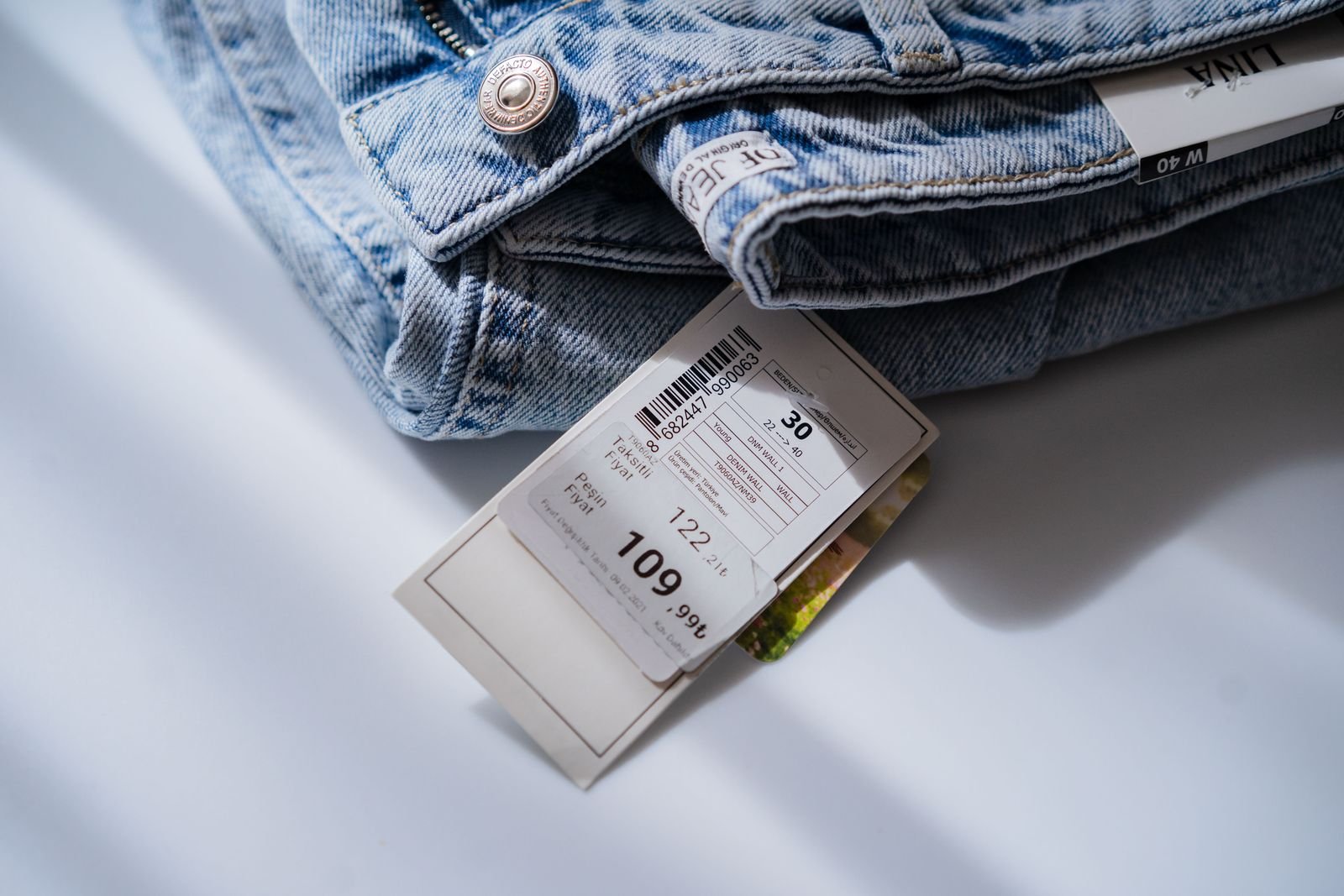
Service and guarantees are harder to put a number on, but they still belong in your notes. A rival that offers free returns, a longer warranty, or same day pickup is offering more for the money. If your price is higher but your service is clearly better, that is a story you can tell your customers, on your website, on your shelf signs, and at the till.
Finally, watch for quality signals. A cheaper rival product may use thinner materials, smaller sizes, or fewer features. When you spot that, note it. It explains a price gap without you having to match it, and it gives you honest words to use when a customer asks why yours costs more.
When to match a price and when to hold your ground
This is the decision that makes the whole routine pay. Not every gap needs a response. In fact, most gaps should not change your price at all.
Match or move closer when the product is identical, your customers buy it mainly on price, and the gap is big enough to notice. A $5 gap on a $20 item will move shoppers. A $1 gap on a $60 item will not. Match when a rival sale is pulling your regulars away and you can afford the lower margin for a short time. And match when your price has crept up through small rises while the market stayed still, leaving you quietly overpriced.
Hold your ground when your product is genuinely better and customers can see why. Hold when your costs leave no room to cut without losing money. A sale that loses money on every order is not a strategy, it is a slow leak. Hold when the gap is small, when the rival is out of stock, or when their price is a short sale that will end in days. Hold when your customers buy from you for service, trust, or convenience, not for the lowest price.
There is a third option between matching and holding: change the offer instead of the price. Add a small free item, bundle two products, extend your guarantee, or offer free local delivery over a set amount. These moves close a value gap without teaching your customers to wait for a discount. Many small shops find this middle path earns more than a price cut ever would.
Whatever you decide, write the reason in your sheet. “Held price, better quality, customers know it” is a decision you can defend next month. A blank row is just a guess you forgot to make.
The rules: keep your price check legal and fair
A competitor price check stays on safe ground when you stick to public information. Prices on a website, on a shelf tag, in a printed catalog, or in a social media post are public. Anyone can see them, including your customers, and noting them down is normal business practice.
Never try to get prices that are not public. Do not ask a rival employee to share internal pricing, do not sign up for a rival trade account under false pretenses, and do not use scraping tools that ignore a website terms of use. Respect the limits a site sets. If a site blocks automated access, take the hint and check it by hand like a normal visitor would.
Never agree prices with a competitor. That is the one bright red line. You can watch what rivals charge and you can set your own prices in response, but you must never agree with another business to fix prices, divide up customers, or take turns winning sales. That kind of agreement is illegal in the United States and in most other countries, and it can destroy a small business. Keep your price check one sided. You observe, you decide alone, and you never discuss your pricing with a rival.
Be honest in how you use what you learn. Do not advertise that a rival charges more unless you have checked it recently and you can prove it. Do not copy a rival product name or branding to make your item look like theirs. And if you quote a rival price in your own marketing, date it, because prices change and an old quote can mislead your customers.
Turn what you learn into action
A price check that ends in a spreadsheet is a hobby. A price check that ends in decisions is a business tool. That is the point of learning how to do a competitor price check for small business in the first place. After each weekly check, pick one or two actions and write them down with a date.
Start with the easy wins. A product where you are far above the market for no clear reason is a candidate for a small cut. A product where you are far below the market while rivals keep raising their prices is a candidate for a small rise. Small moves, tested one at a time, teach you more than one big change.
Look for the gaps that point to new products too. If three rivals all charge good money for an item you do not stock, that is demand you are missing. If every rival has dropped the price of an item to clear it out, that is a warning that demand for it is fading.
Share what you learn with your team. A shop assistant who knows that your candles cost more because they burn twice as long can answer a price question with confidence. A team that knows the rival across the street just raised its prices can stop apologizing for yours.
For digital products the same routine applies, but the numbers move faster and the extras look different. Our guide on how to price digital products for beginners covers the pricing basics for downloads and online goods, which pair well with a weekly price check.
Common mistakes that waste a price check
The first mistake is tracking too many products. Fifty rows feel thorough on day one and feel like a chore by week three. Start with ten. You can add more once the habit is solid.
The second mistake is comparing unlike products. A handmade candle and a factory made candle are not the same item, even if they smell alike. Compare size, materials, and burn time, or your conclusions will be wrong.
The third mistake is checking prices only when sales fall. By then you are reacting in a panic. The weekly check works because it catches a small drift before it becomes a problem.
The fourth mistake is copying the cheapest rival on everything. The cheapest shop in town usually earns the least, works the hardest, and has the least room to survive a bad month. Your goal is a fair price that earns a profit, not the lowest price on the street.

The fifth mistake is ignoring what the numbers say. If your sheet shows the same red gap for six weeks and you do nothing, the sheet is not the problem. Decide, act, and note the result. Even a wrong decision teaches you something. No decision teaches you nothing.
Conclusion
Maria still runs her candle shop in Austin. The gift shop across the street is still there too. What changed is that Maria no longer guesses. Every Monday morning she spends twenty minutes checking the prices that matter, notes the gaps, and makes one small decision. Some weeks she changes nothing. Some weeks she trims a price, raises another, or adds a bundle that makes her offer clearly better. Her sales are steady again, not because she became the cheapest shop on the street, but because she knows exactly where she stands.
That is what learning how to do a competitor price check for small business really gives you. It turns pricing from a worry into a routine, and it turns a routine into an advantage that grows a little every week. Pick your three to five rivals today. Choose your ten products. Build the sheet tonight. Then check it every week, act on what you see, and let the numbers do the talking.
Frequently Asked Questions
How often should a small business check competitor prices?
Once a week is right for most small shops. It is frequent enough to catch sales and price moves, and short enough to keep doing. Shops in fast moving markets, like phone accessories or seasonal gifts, may check twice a week during peak season.
Is it legal to check competitor prices?
Yes, when you use public information like website prices, shelf tags, catalogs, and social media posts. It becomes a problem only if you seek non public pricing, break a site terms of use, or agree prices with a competitor.
What if a competitor is much cheaper than me?
First check whether the product is truly the same, and whether shipping, size, and quality match. If it is the same and the gap is large, consider matching on that item, changing your offer with a bundle or extra service, or accepting that some price driven shoppers will go elsewhere while you serve customers who value quality.
Do I need paid tools to track competitor prices?
No. A free spreadsheet and twenty minutes a week are enough for most small businesses. Paid tools help when you track hundreds of products across many rivals, but they are not needed to start, and a simple sheet you actually use beats a fancy tool you ignore.
Should I tell my customers about my price check?
You can share the result without sharing the method. Telling customers that you review local prices every week to stay fair builds trust. Naming a rival and quoting their price in your marketing is riskier, so only do it when the facts are fresh and you can prove them.