

If you work in an open plan office, you already know the soundtrack. Phones ring three desks away, a sales call drifts across the room, the printer hums and someone reheats lunch in the break room. A little background sound is normal. But when the noise never drops, focus slips, tempers fray and real work slows down. Learning how to reduce office noise in an open plan office is not about chasing total silence. It is about shaping sound so the space supports the way your team actually works.
Noise ranks among the most common complaints about open offices. Researchers have linked constant workplace noise with weaker concentration, higher stress and more mistakes. The good news is that you do not need a full remodel to fix it. A smart mix of layout changes, soft materials, simple technology and clear team norms can cut the racket fast, often for less than you would spend on one team lunch per person.
This guide walks through practical steps in the order that delivers the biggest drop in noise for the least money, with fixes you can start this week.
Start With a Noise Audit Before You Spend a Dollar
Most offices treat noise as one vague problem, but it is usually three or four small problems stacked together. A ringing phone, an echoing conference corner and a loud break room need different fixes. A quick audit tells you which problem deserves your money first.
Walk the floor with fresh ears
Pick a normal busy day and spend twenty minutes walking your space with a notebook. Stand in the spots where people do focused work and just listen. Write down every noise source you can hear and where it comes from. Typical culprits include nearby conversations, speakerphone calls, printers and copiers, the kitchen or break room, humming HVAC vents and echo bouncing off bare walls and high ceilings.
Note when each problem peaks. This simple log becomes your shopping list, and it stops you from buying panels for a problem that a moved printer would have solved.
Ask the team where it hurts
Your ears are not the only ones that matter. Send a short survey asking three questions: where do you sit, what noise bothers you most, and what time of day is worst. You will often find that one corner of the floor generates most of the complaints, which lets you target your spending.
Treat the audit like inventory control. Just as a shop owner walks every aisle to count what is really on the shelves, you need to walk every corner to hear what is really happening on your floor. If you want a model for running that kind of systematic walkthrough, our guide on how to do a stocktake in a small shop in the UK shows how a simple checklist keeps the process honest.
Absorb Sound Where It Bounces
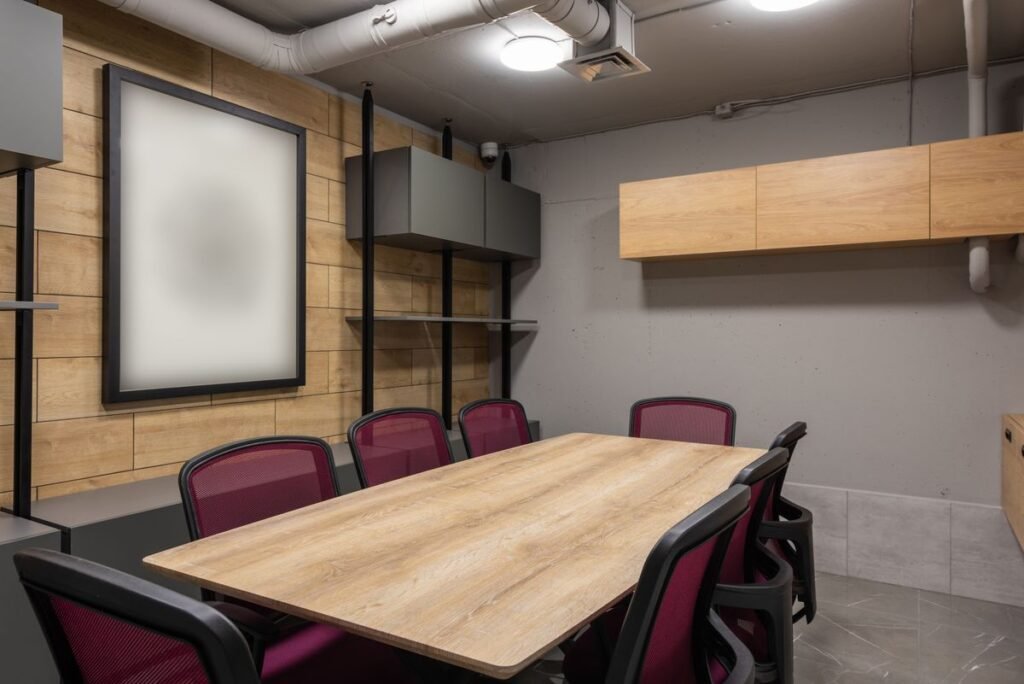
Hard surfaces are the main reason open offices feel loud. Sound bounces off concrete, glass and bare drywall, so one conversation echoes into six desks. Soft, porous materials soak up that energy instead of reflecting it. This single change often delivers the most noticeable improvement.
Wall panels and desk screens
Acoustic wall panels are fabric wrapped boards that mount on walls near noise sources. Look for the NRC rating, which stands for Noise Reduction Coefficient. A rating of 0.70 or higher means the panel absorbs most of the sound that hits it. Place panels at ear height on walls beside loud teams, behind call heavy desks and inside small meeting rooms where voices bounce.
Desk mounted acoustic screens work the same way at a smaller scale. They clip onto desk edges and cut the direct path of a neighbor’s voice. Expect to pay roughly 25 to 60 dollars per wall panel and 80 to 200 dollars per desk screen, depending on size and finish. Many suppliers now sell panels in colors and printed designs, so they can double as wall art.
Ceiling clouds and baffles
In offices with tall or exposed ceilings, sound shoots upward and rains back down. Hanging acoustic clouds or vertical baffles catch it before it returns. Focus them over the noisiest zones from your audit rather than covering the whole ceiling.
One honest warning: absorption tames echo and background buildup, but it cannot stop you from hearing the person talking right next to you. Panels work best as part of a package, which is why the zoning and behavior steps below matter just as much.
Zone the Floor So Loud and Quiet Stop Colliding
The cheapest acoustic treatment is distance plus intention. Divide your floor into zones with clear purposes: a collaboration zone where talking is expected, a focus zone where voices stay low, and a call zone with enclosed booths or small rooms for phone and video meetings. When loud work and quiet work share the same ten feet of carpet, everyone loses.
Use furniture to draw the lines. Tall bookcases, storage cabinets and acoustic screens make natural dividers that also absorb sound. Change the flooring to signal the change: carpet tiles or large rugs in focus zones, hard flooring in social areas. Move printers, copiers and the break room entrance as far from focus desks as the floor plan allows. If you cannot move them, add a screen wall or a row of tall plants between them and the desks.
Phone booths deserve special mention. A single person pod costs far less than a new meeting room and removes the most disruptive sound in most offices: the one sided phone call.
Soften the Space With Furnishings and Greenery

Every hard surface in your office is a small mirror for sound. Swapping a few of those mirrors for soft materials lowers the overall liveliness of the room. You do not need designer furniture. A large area rug under a desk cluster, curtains on glass walls and upholstered seating in breakout areas all absorb the mid and high frequencies that make offices feel harsh.
Plants pull double duty. Large leafy plants break up flat surfaces so sound scatters instead of reflecting, and they make the space calmer. A row of tall planters between a walkway and a focus zone works as a divider that absorbs sound and looks welcoming. Choose sturdy low light varieties like snake plants or pothos if your office lacks bright windows.
If full carpet is out of budget, carpet tiles in the loudest areas give most of the benefit for a fraction of the cost.
Use Sound Masking and Background Sound Carefully
Here is a counterintuitive trick: adding the right kind of sound can make an office feel quieter. Sound masking systems emit a soft, engineered background hum through ceiling speakers. It does not cancel noise. Instead it raises the background level just enough that distant conversations become unintelligible, which is what actually distracts the brain. Your mind tunes out a steady hum far more easily than it tunes out half heard sentences.
Installed systems typically cost 1 to 3 dollars per square foot. For individuals, white noise apps through earbuds give a similar personal effect for free. Keep the volume low enough to still hear someone speaking to you directly.
Avoid the common mistake of playing music over shared speakers to cover chatter. One person’s focus playlist is another person’s distraction, and it usually adds to the total noise load instead of reducing it.
Set Team Norms That Keep the Volume Down
Materials and layout do half the job. Culture does the rest. Many noisy offices are simply offices where nobody ever agreed on the rules. Borrow an idea from the startup world and treat your focus zones like a library: voices low, conversations move to the right space, and headphones mean do not disturb.
Write the norms down and keep them short enough to fit on one page. Useful rules include quiet hours from 9 to 11 each morning, no speakerphone calls at desks, video meetings taken in booths or empty rooms, quick questions sent by chat instead of shouted across the floor, and personal calls stepped out to the hallway or lobby. Review the list with the team rather than emailing it cold, so people feel ownership instead of resentment.
Post the norms where everyone can see them and repeat them for new hires during onboarding. If you already send a regular team update, it is the perfect channel for reminders about quiet hours or booth booking rules. Our guide on how to start a newsletter for your small business shows how to set one up without adding meeting time.
Give People Personal Noise Tools
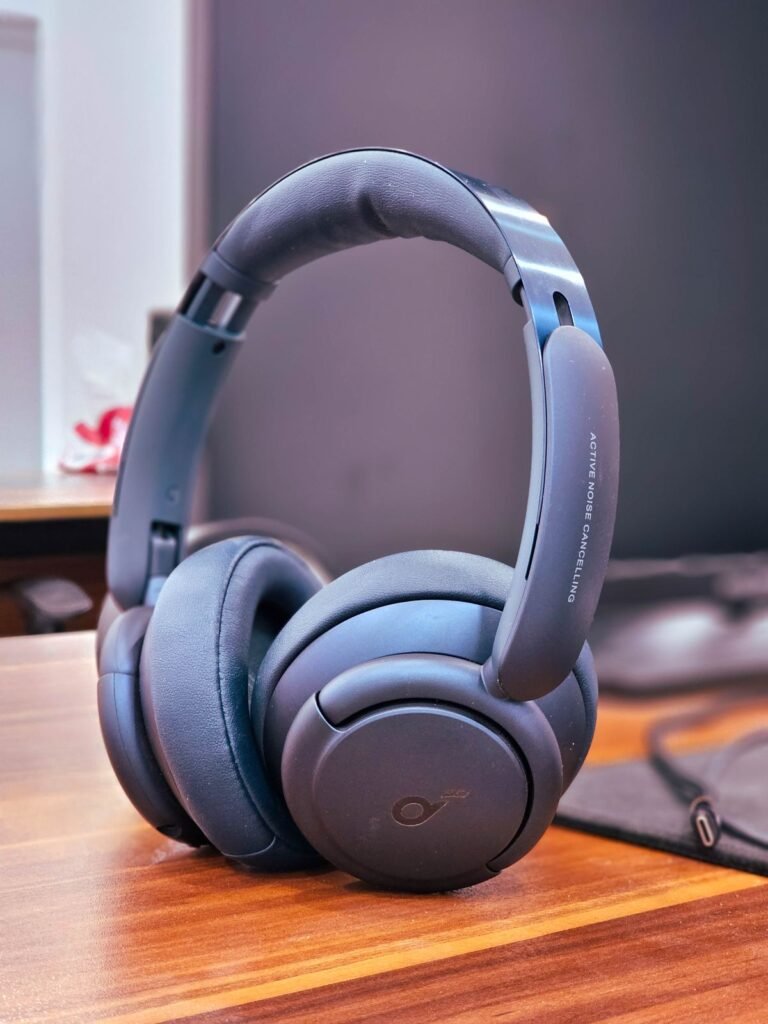
Even the best treated office has loud moments. Giving each person a way to opt out protects focus on the days when the floor gets rowdy. A personal toolkit is also the fastest fix you can deploy, since it needs no facilities approval.
Noise cancelling headphones
Active noise cancelling headphones use microphones and inverse sound waves to erase low frequency hums like HVAC drone and traffic rumble. Good office pairs now start around 80 dollars, with premium models running 250 to 350 dollars. Consider a headphone stipend as part of your equipment budget. It is a small per person cost that pays back every single day in recovered concentration.
Pair the hardware with etiquette: agree that headphones on means focus mode, and urgent matters go through chat first.
Earplugs and focus blocks
Foam earplugs cost pennies and cut a surprising amount of chatter for deep work sessions. Keep a jar of them in the supply closet next to the pens. Combine them with calendar focus blocks: two or three meeting free hours each week when the whole team agrees to keep calls and loud discussions out of the focus zone. Protecting time turns out to be as powerful as absorbing sound.
How to Reduce Office Noise in an Open Plan Office on a Small Budget
If the full list feels overwhelming, work through it in budget tiers. Each tier builds on the last, so you can stop when the noise drops to a comfortable level.
Free this week: run the noise audit, publish one page of team norms, set morning quiet hours, move the printer away from focus desks, rearrange seating so loud teams sit together and quiet teams sit together, and start using chat for quick questions instead of shouting.
Under 500 dollars: add a large area rug or carpet tiles to the loudest zone, buy several large plants, stock foam earplugs, and offer a modest headphone stipend or buy two shared pairs for the focus area.
500 to 5,000 dollars: install acoustic wall panels on the worst reflecting walls, add desk screens for call heavy roles, buy one or two freestanding acoustic dividers, and consider a small sound masking system for the open floor.
Bigger projects: add one or two phone booths, install ceiling clouds or baffles over noisy zones, and redesign the floor into clear collaboration and focus zones during your next lease renewal or move.
Measure as you go. A free sound meter app on your phone is not lab accurate, but it shows you whether a change moved the needle. Aim for steady background levels where normal conversation at a nearby desk does not pull people out of their work.
When Noise Becomes an HR or Health Issue
Sometimes noise is more than an annoyance. If employees report headaches, constant stress or an inability to concentrate despite your fixes, treat it as a workplace health matter. In the United States, OSHA expects employers to address recognized hazards, and very loud environments have specific exposure limits. Even below those limits, documented complaints deserve a facilities review.
Noise sensitivity can also connect to medical conditions. Under the ADA, employees with qualifying conditions may request reasonable accommodations such as a quieter desk location, permission to wear noise cancelling headphones or adjusted schedules. Handle these requests through your normal accommodation process and keep records. Offering hybrid or remote days for deep work can also relieve pressure on the office itself, since fewer bodies means less sound.
Conclusion: A Quieter Office Is a More Productive One
You now know how to reduce office noise in an open plan office without tearing the place apart. Start with a noise audit so you spend money on the real problems. Absorb echo with panels, screens and ceiling treatment where sound bounces hardest. Zone the floor so loud work and quiet work stop colliding. Soften the space with rugs, upholstery and plants. Add sound masking where distant chatter still distracts, set team norms everyone agrees to follow, and give people personal tools for the loud days.
The payoff goes beyond comfort. Teams that can hear themselves think produce better work and make fewer errors. Pick the free fixes this week, budget the next tier for next quarter, and revisit your audit twice a year.
Frequently Asked Questions
Do acoustic panels really work in an open office?
Yes, when they target the right problem. Panels absorb reflected sound and cut echo, which lowers the overall liveliness of a room. They work best on walls near noise sources and at ear height. They will not block a loud talker sitting right next to you, so pair them with zoning and team norms for the full effect.
What is the cheapest way to reduce office noise?
Start free: set quiet hours, ban speakerphone at desks, move printers away from focus areas and seat loud teams together. The next cheapest wins are a large rug, tall plants used as dividers and foam earplugs, all of which cost very little and can be in place within days.
What is sound masking and is it worth it?
Sound masking adds a soft background hum through ceiling speakers that makes distant speech less intelligible, which reduces distraction. It typically costs 1 to 3 dollars per square foot installed. For open floors where chatter carries, many offices find it one of the most effective upgrades per dollar.
How loud is too loud for an office?
Most office guidelines aim for background levels around 40 to 50 decibels in focus areas, roughly the sound of a quiet library to moderate rainfall. If normal conversation from a nearby desk regularly breaks your concentration, the space is too loud for focused work regardless of the exact number.
Can I ask my employer to fix a noisy office?
Absolutely. Raise it with specifics from your own experience: where you sit, what the noise is and how it affects your work. Suggest low cost fixes like quiet hours or a desk move first. If noise affects your health or relates to a medical condition, you can also explore formal accommodation options with HR.