
A pub quiz night can be the most profitable evening in your weekly calendar. A room full of teams means a full bar, a busy kitchen and a queue of regulars who plan their week around your venue. The problem is rarely the quiz itself. Most nights fail because nobody knew about them, or nobody was given a good enough reason to come back. This guide explains how to promote a pub quiz night from a standing start, and how to run one that keeps tables full month after month. Everything here is written for pubs in the UK, with pound sterling pricing and the habits of British quiz goers in mind.
Start With a Night People Actually Want to Attend
No amount of promotion saves a quiz that is held on the wrong night or built around a format teams do not enjoy. Get the foundations right first.
Pick the right evening
Most successful UK pub quizzes run on Tuesdays, Wednesdays or Thursdays. These are the quietest nights for most pubs, which is exactly the point. You want to turn a dead night into a money maker, not compete with your own busy Friday trade. Check what other pubs near you run first. A town with three quiz nights on a Tuesday will split the audience, while a clear Wednesday is an open goal.
Talk to your regulars before you fix a day. Ask which evening would actually get them in, then commit to it. Consistency matters more than the perfect choice. Teams build a weekly habit around your quiz, and they only do that when the night never moves.
Build a format teams remember
Six to eight rounds across about two and a half hours works well, with a short break in the middle so the bar can take money. Mix general knowledge with picture, music and interactive rounds. Variety beats difficulty every time. A quiz that is too hard empties tables faster than a quiz that is too easy. Aim for a level where a decent team gets around two thirds of the answers right.
Keep teams to four to six players. That is large enough for a good debate and small enough that everyone feels useful. A picture round handed out at the start is a classic for a reason. It gives early arrivals something to do and keeps tables busy while the room fills.
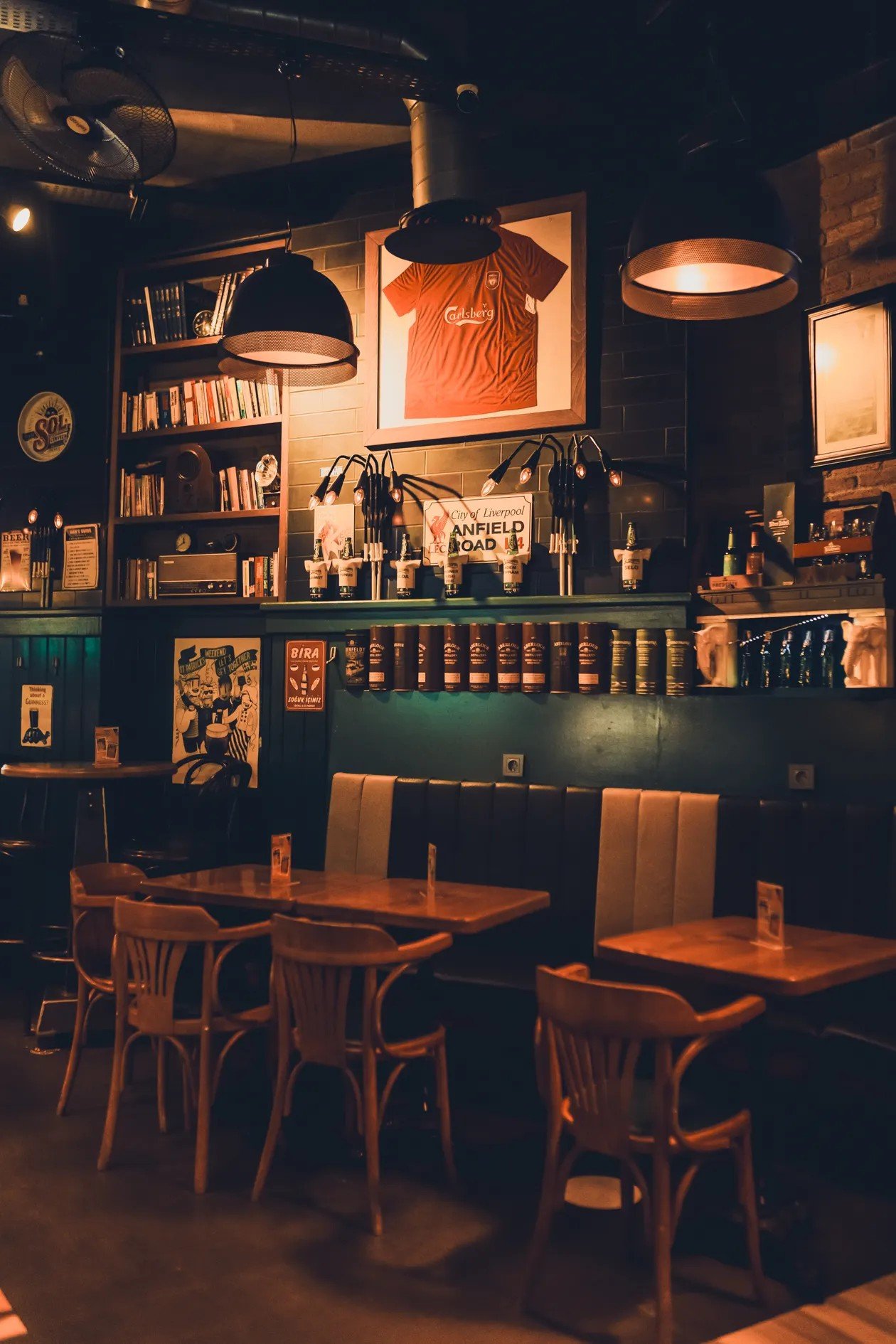
Set the room out so teams can talk without overhearing each other. Provide pens, printed answer sheets and a way to display scores. A whiteboard, a chalkboard or a simple printed leaderboard all work. If you use music clips, test the sound system in every corner of the room before the first question.
How to Promote a Pub Quiz Night Inside Your Own Pub
Your cheapest and most powerful advertising space is the pub itself. Every customer who walks through your door this week is a potential team member next week.
Turn the bar into your best billboard
Posters behind the bar are seen by almost everyone who orders a drink. Put the night, the time, the entry fee and the prize in big clear letters. A boards outside the door catch passing footfall. Table talkers and flyers slipped into menus work through the day trade, when customers have time to read. If you have screens, run a simple animated slide between your other content.
The goal is simple. Nobody who drinks in your pub should be able to say they did not know the quiz existed. Refresh your displays regularly too. Posters that stay up for months become wallpaper. Move them, change the design or update the prize figure, and regulars will notice again.
Make your staff your loudest promoters
Word of mouth from bar staff beats any poster. Train your team to mention the quiz naturally when they serve. A simple question about whether a customer is coming to the quiz on Thursday turns a transaction into an invitation. Regulars respond best to a personal ask.
Learn team names where you can. Greeting a team by name when they walk in makes them feel like members of something, and members do not miss a week. This costs nothing, and it is the single most effective promotion that most pubs underuse.
Walk the room on the night itself
When you hand out quiz sheets, walk the room yourself instead of calling for people to come and collect them. You meet every newcomer, you start conversations, and you find out immediately what is working. Ask first timers how they heard about the night. Their answers tell you exactly which promotion is paying off.
Promote Your Quiz Night Online Without Spending Much
Digital promotion costs little or nothing, but it only works if you treat it as a weekly habit rather than a one time launch.
Social media that actually fills tables
Create a recurring event page for your quiz night and share it every single week, not just once. Post photos of winning teams, funny team names and the weekly leaderboard. People tag themselves, their friends see it, and your reach grows without paid advertising.
Share one or two of the trickiest questions after the night. It sparks debate in the comments and gives followers a reason to come along and prove they would have got them right. Keep a consistent visual style so your quiz posts are instantly recognisable in the feed.
Community groups and local listings
Local community groups, neighbourhood chats and noticeboards are full of people looking for something to do midweek. Post in the weeks before your launch and then keep up a weekly reminder. Keep your Google Business Profile updated with the quiz night listed as a regular event. When someone searches for things to do in your town on a Thursday, your pub should appear.
Local press and what is on guides often list weekly events free of charge. One email to the listings editor can put you in front of hundreds of readers for no cost at all.
Start a simple list of regulars and email them
Collect contact details with a simple sign up sheet at the bar or a QR code on the quiz sheets, always with clear permission. A short weekly email with the theme of the next quiz, the current league standings and a reminder of the prize fund keeps teams engaged between nights. If you have never built a mailing list for your venue, this guide to starting a newsletter for a small business walks through the basics. Email costs next to nothing and it reaches people that social media algorithms might miss.
Get the Money Right: Pricing, Prizes and Costs
The economics of a quiz night are simple, which is why the format suits pubs so well. Small costs in, serious bar takings out.
What to charge
Most UK pub quizzes charge £1 to £3 per player. Two pounds a head is the sweet spot for most venues. It feels like nothing to the player but it adds up fast across twenty teams of five. One hundred players at £2 each is £200 in entry money before a single pint is sold. Keep the maths visible. Teams like knowing the entry pot funds the prizes.
For a charity night you can charge more, often £5 to £10 a head, because players understand where the money goes. Be consistent whatever you choose. Changing the price every few weeks confuses regulars and looks disorganised.
Prizes that pull people back
Pay prizes as bar tabs or drinks vouchers rather than cash wherever possible. A £50 bar tab costs you far less in real terms than £50 cash, and it guarantees the winners come back to spend it in your pub. Add a small prize for second place and a light hearted prize for last place. Nobody should leave feeling the night was wasted.
A rollover jackpot, where the prize pot grows each week until someone wins it, is one of the strongest retention tools in the trade. It gives teams a reason to return even after a bad night. Ask local businesses or breweries to sponsor prizes. A case of beer from your supplier costs them little and makes your prize table look generous.
Keep your costs under control
Your running costs are small. Answer sheets, pens, a microphone and printed picture rounds are the main outlay, often under £30 a week once you are set up. Spend where the customer sees it and cut everything else. If keeping event budgets tight is new to you, these tips for planning a staff party on a small budget apply the same thinking to quiz nights.
Run the Night Like a Professional
Promotion gets teams through the door. The night itself decides whether they come back. This is where the business case for your quiz is won or lost.
Your quizmaster is your brand
The host sets the tone more than the questions do. Warmth, pace and banter matter more than showmanship. A good quizmaster reads questions clearly twice, keeps rounds moving and makes every table feel included. Many pubs use a confident member of staff rather than hiring an outside host, and that often works better because the host already knows the regulars.
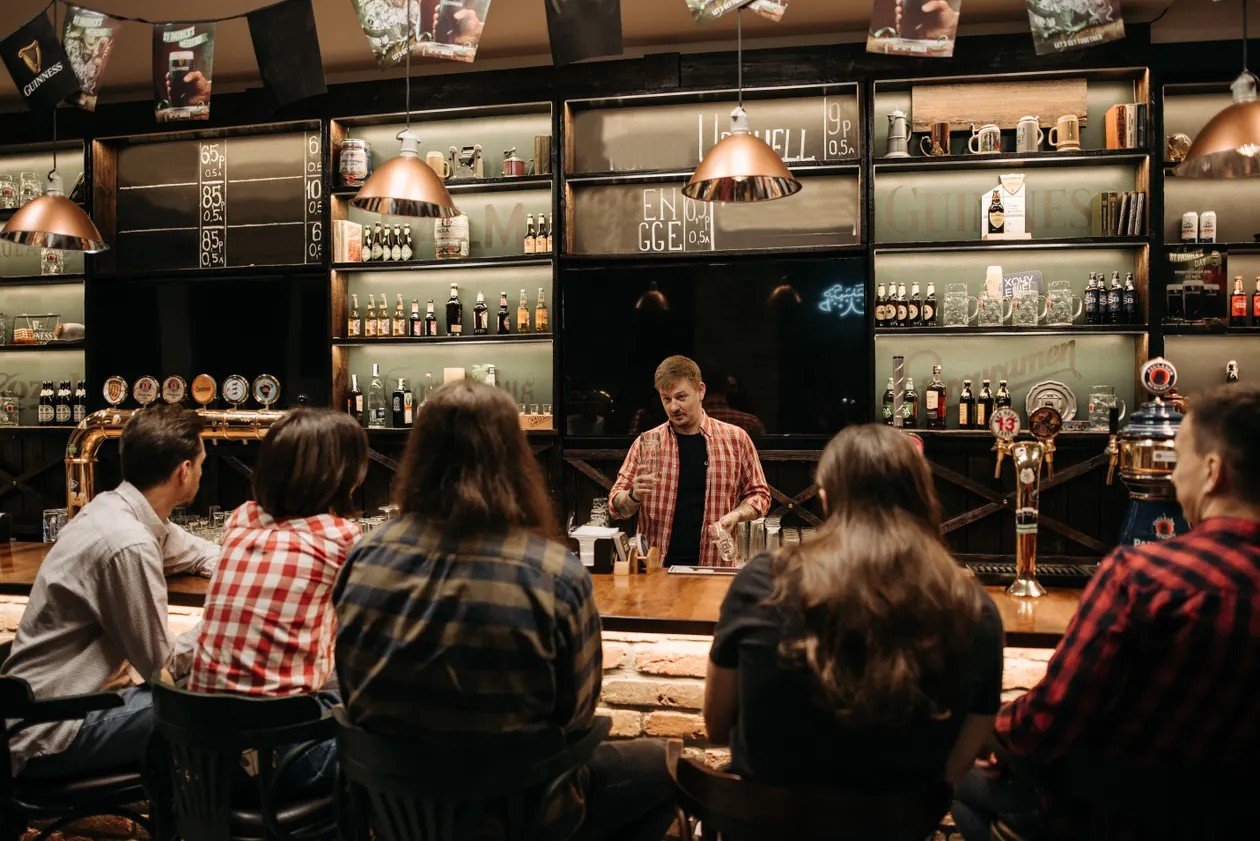
Brief your host to work the room during marking breaks. Chatting to tables, asking team names and hyping up the next round turns dead air into atmosphere. The host should also handle the commercial moments naturally, reminding teams about the break, the food menu and the rollover jackpot without sounding like a sales pitch.
Scoring that keeps the room buzzing
Mark during a short break while customers order drinks, then announce scores at the start of each new round. Regular score updates create tension and rivalry. A visible scoreboard, whether a whiteboard, a chalkboard or a screen, makes the competition feel real.
Swap answer sheets between teams for marking to save the host time and to keep everything transparent. Teams trust a quiz they can see is fair, and a fair quiz is one they defend to their friends.
Theme Nights and Seasonal Events That Fill the Diary
A themed quiz every month or two breaks the routine and pulls in new faces. Music decades, television shows, local history, big sports events and film franchises all draw crowds that a straight general knowledge quiz might miss. Theme nights also give you something fresh to promote, which keeps your social media and posters from going stale.
Seasonal quizzes around Christmas, Halloween and major football tournaments can be your biggest nights of the year. Decorate the room, dress the bar in theme and push the date hard on social media for three to four weeks beforehand. Charge a slightly higher entry fee for these events and put on a bigger prize table. For the December push in particular, preparing your small business for Christmas covers the wider seasonal planning that a Christmas quiz night should sit inside.
Keep Teams Coming Back Week After Week
Retention is where the real profit lives. A team that comes every week for a year is worth far more than a full room of one time visitors.
Leagues, leaderboards and rollover jackpots
Turn your weekly quiz into a season. A running league table across eight to twelve weeks, with a final prize for the overall champions, gives every night stakes. Publish the standings on social media and on a board in the pub. Teams start caring about their position, and teams that care about their position do not skip weeks.
The rollover jackpot pairs perfectly with a league. Each week the pot grows, and the tension builds. Announce the running total every week so even teams at the bottom of the table have something to play for.
Ask for feedback and act on it
At the end of the night, ask teams what they thought. Was the music round too hard. Did the break come at the right time. Act on what you hear and tell teams you did. Nothing builds loyalty faster than a host who says the picture round was made harder because teams asked for it. People return to places where they feel heard.
Common Mistakes That Keep Tables Empty
Starting too late or running too long is the classic error. Two and a half hours from doors to results is plenty. Questions that are too hard or too niche will empty a room faster than anything else. If only the local history society can answer round three, everyone else stops coming.
Inconsistent scheduling is another killer. Skipping a week because it is quiet teaches teams that your quiz is unreliable, and the quiet weeks are exactly when consistency pays off. Forgetting to promote between nights is just as damaging. One launch post is not a campaign. Promotion is a weekly habit, like the quiz itself. Finally, never understaff the bar on quiz night. Slow service in a packed room is a contradiction, and a packed room that cannot get served will not come back.
Conclusion: Make Promotion Part of the Weekly Routine
A successful pub quiz night is built twice. Once in the promotion that fills the tables, and once in the running of the night that fills them again next week. Start with a consistent night and a format teams enjoy. Promote inside your pub through your staff, your signage and your screens, and outside it through social media, community groups and a simple email list. Price entry at a level that feels fair, pay prizes that bring winners back, and run the room with warmth and pace.
Follow the steps in this guide on how to promote a pub quiz night and the whole thing becomes a system you repeat every week rather than a single event you hope works. The tables will fill, the bar will ring, and your quietest night of the week can become your best one.
Frequently Asked Questions
What is the best night of the week for a pub quiz?
Tuesday, Wednesday and Thursday work best for most UK pubs. These are naturally quiet nights, so a quiz turns dead trade into busy trade. Check what nearby pubs run and pick an evening that avoids a direct clash.
How much should I charge for a pub quiz night?
Most UK pub quizzes charge £1 to £3 per player, with £2 a head the most common price. The entry pot usually funds the prizes. Charity quizzes can charge £5 to £10 a head because players know the money goes to a good cause.
How many rounds should a pub quiz have?
Six to eight rounds across about two and a half hours is the standard format. Mix general knowledge with picture, music and interactive rounds, and include a short break in the middle so the bar can take money.
How do I get more teams to come to my pub quiz?
Promote inside the pub through staff mentions, posters and screens, and outside it through social media, community groups and local listings. Build an email list of regulars, run a league table so teams have a reason to return, and keep your promotion going every week.
Do I need a licence to run a pub quiz with a music round?
The quiz itself needs no special licence, but playing recorded music in public means your venue should hold the right music licences. Check your PPL and PRS for Music licences before you build a music round into your quiz.