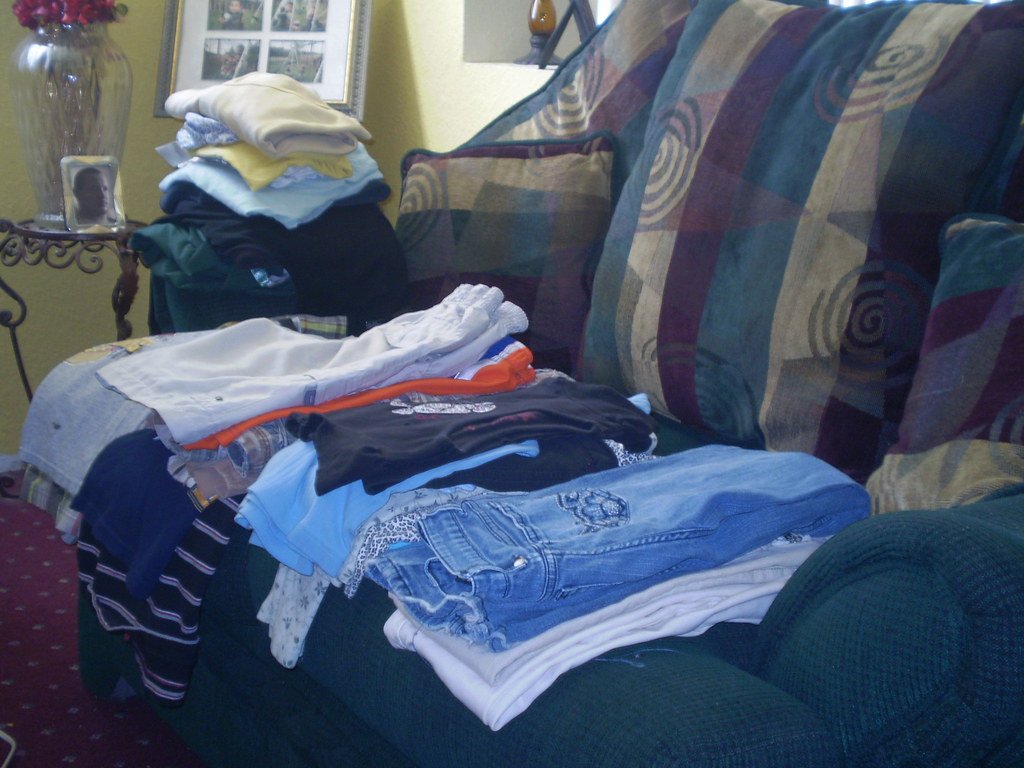
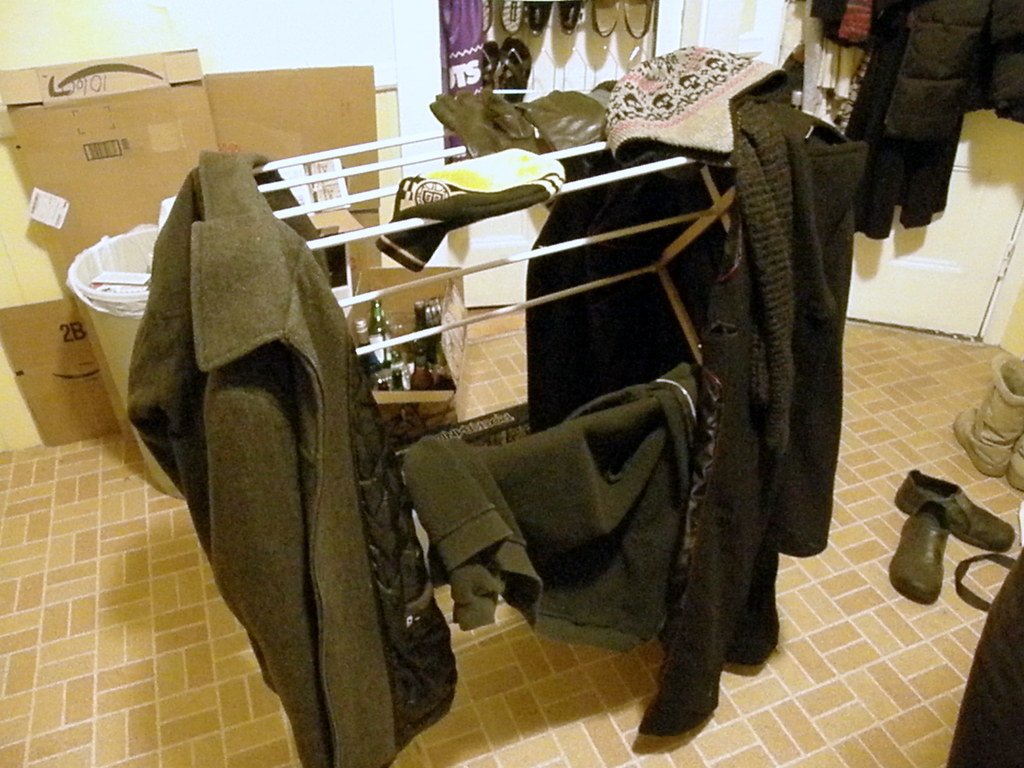
My first January in Tokyo taught me a small lesson with a big smell. I had moved into a compact 1LDK flat in Setagaya, and I did what I had always done at home: I washed a load on Tuesday evening and hung it on the folding rack in the living room. By Thursday morning the shirts were still damp at the seams, the towels felt cold and heavy, and the whole room carried a faint musty smell that no amount of air freshener could hide. I had discovered, the slow way, how to dry laundry indoors in winter in Japan, or rather how not to do it.
A neighbour in the building put me right in one short chat by the mailboxes. She told me to stop hanging clothes in a random jumble and to hang them in an arch instead. I tried it that same evening. The next load was dry by the following afternoon, and the smell was gone. This guide explains the method, why it works, and the small routine around it that keeps winter laundry dry in a small Japanese flat.
Why laundry dries so slowly in a Japanese winter
Most Japanese flats are built to stay cool in summer, not warm in winter. That shapes everything about drying laundry. Many apartments have single pane glass, thin walls, and no central heating. You heat one room at a time with an air conditioner or a small heater, and the rest of the flat stays cold. Cold air holds less moisture than warm air, so wet clothes give up their water slowly.
Daylight is short in January, and the sun sits low. A balcony that bakes in August may see almost no direct sun in winter. Add the rainy spells and the damp cold snaps that roll through Tokyo and Osaka, and outdoor drying stops being reliable for weeks at a time. Indoor drying becomes the only option, and it brings its own problems.
The biggest problem is still air. When wet clothes hang in a closed room, the air around them quickly fills with moisture. A thin layer of cool damp air settles on every item and slows evaporation to a crawl. Pack the rack tight, and the clothes in the middle barely dry at all. Leave the load hanging for two days, and bacteria get time to grow, which is where the musty smell comes from. The fix is not a stronger heater. The fix is better air movement, better spacing, and a smarter way to hang the load.
How to dry laundry indoors in winter in Japan using the arch method
The arch method is the single best change you can make, and it costs nothing. In Japan it is called arch drying, and it is the standard advice from laundry experts there. Instead of scattering long and short pieces at random, you hang the longest items around the outside of the rack and put progressively shorter pieces toward the centre. Viewed from the side, the hems rise toward the middle like an upside down U, with an open pocket of empty space underneath.
That open pocket is the whole point. As water evaporates it cools the air nearby, and the cool air sinks and moves, creating a gentle current through the tunnel under the arch. Air reaches the middle of the load instead of sitting still around it. The result is faster drying with no new equipment and no extra electricity.
Japanese household goods maker Lion tested the idea in controlled conditions. At 25 degrees and 65 percent relative humidity, a load hung in an arch dried fully in four hours. The same load hung in a V shape, with long items grouped in the centre, or in a random alternating pattern took about 30 minutes longer. Thirty minutes may sound small, but across a winter of daily loads it is the difference between laundry that dries in a day and laundry that drags into a second damp day.
How to set up the arch on your rack
Start right after the washing machine finishes its final spin, while the clothes are still warm from the drum. Sort the load into three rough piles by length and weight. Long or heavy pieces go on the two outer ends: hoodies, long trousers, bath towels, and heavy cotton sweatshirts. Medium pieces go just inside them: regular shirts, long sleeve tops, and hand towels. Short and light pieces take the centre: socks, underwear, and washcloths.
Hang each piece so its lower edge rises toward the middle. Do not fold big pieces over into doubled up slabs, because the folded layers trap moisture. Keep neighbouring fabrics from touching if you can. If the rack is packed tight, save one piece for a second load rather than squeezing it in. As the small items in the centre dry, take them off the rack so the tunnel stays open for the heavier pieces that are still damp.
Thick towels deserve one extra step before they go on the rack. Shake each damp bath towel hard about 10 times. Snapping the fabric loosens the loops and lets air into the fibres. It takes seconds and makes a real difference to drying time.
Thick towels, jeans, and hoodies
Heavy items are where most winter loads fail. A thick fleece is slower to dry than a light cotton dress, even if the dress is longer, so give the thick piece the outer spot where it gets the most air. Jeans dry fastest when you hang them by the waistband with the legs free and a gap between the legs. Hoodies dry best unzipped, with the hood spread flat and the sleeves pulled away from the body.
If a towel is still damp the next morning, do not leave it folded in a corner. Refold it loosely over a wider bar, or hang it on its own over a door frame for a few hours with the door open. A towel that stays damp for a full day is a towel that will start to smell, and no amount of fabric softener fixes that later.
Start in the washing machine, not on the rack
Drying starts before the clothes ever reach the rack. The less water your washing machine leaves in the fabric, the less work the air has to do. Most Japanese machines let you extend the spin time, and that one setting is worth using all winter. A longer spin pulls out noticeably more water, especially from towels and jeans.
For a thick load, run a second spin after the first one finishes. Take out anything that creases easily, such as work shirts, then spin the rest again. It costs a few minutes and a small amount of electricity, and it can cut hours off drying time. Do not overload the drum. A packed drum cannot spin properly, and clothes come out wetter than they should. Wash smaller loads more often in winter, even if it feels less efficient.
Detergent matters too. In Japan you can buy detergent made for indoor drying, sold as heya boshi, which means room drying. These formulas include antibacterial agents that slow the bacteria behind the half dried smell. If you cannot find one, any detergent with an antibacterial label will help. A small splash of citric acid in the rinse, about 10 grams per 10 litres of water, also helps keep odours down. Soak anything that already smells musty in water at 40 to 50 degrees for about 30 minutes before washing it again.

Move the air, not the heater
Warm air helps, but moving air helps more. A quiet fan on low, pointed across the rack rather than straight at it, can cut drying time sharply. In Japan a circulator fan is the usual tool, and many flats already own one for summer. Set it on low, place it a metre or two from the rack, and let it keep the air moving around the clothes.
Your air conditioner has a dry mode, usually marked with a water drop symbol on the remote. Dry mode pulls moisture from the room without blasting heat, and it is often the cheapest way to dry laundry on a damp day. Set the room to around 20 to 22 degrees and let the air conditioner run in dry mode for a few hours while the load hangs. A dehumidifier does the same job and is worth buying if your flat has no air conditioner or if you dry laundry every day.
Open a window briefly once or twice a day, even in winter. Ten minutes of fresh air drops the humidity in the room and gives the damp air somewhere to go. Dry the load in the middle of the room when you can, not pressed against a cold outside wall or a window, because cold surfaces chill the fabric and invite condensation.
Keep the rack well away from any heater. Space heaters should never be used to dry clothing, and clothes should never be draped over a heater or an electric carpet. It is a fire risk, and it is the fastest way to scorch a favourite shirt. Keep at least a metre between the rack and a portable heater, and never leave a heater running unattended. Cold rooms are a winter problem in more places than flats. If you camp in winter, our guide to keeping a tent warm in winter covers the same idea: trap warm air where you need it and keep damp air moving out.
Keep the room dry enough to dry
Laundry cannot dry in a room that is already wet. The ideal indoor humidity for drying sits around 45 to 60 percent. Above that, evaporation slows and the room itself starts to suffer. A small hygrometer costs a few hundred yen at a 100 yen shop or a home centre, and it takes the guesswork out of the whole process.
Watch the windows. If they sweat every morning, the room is too damp for laundry to dry well. Wipe the condensation off, air the room, and run the air conditioner in dry mode or a dehumidifier before you hang the next load. Recurring condensation or mould means the moisture source needs fixing, not just the laundry routine. Mould grows fast in a damp Japanese flat, and it is far harder to remove than it is to prevent.
Do not dry laundry in a bathroom with no ventilation. A bathroom stays humid long after a shower, and clothes hung there will absorb moisture instead of losing it. The living room or a bedroom with a window you can open is a better choice. If the whole flat feels damp, a coin laundry with dryers is a sensible backup on the worst weeks. A 30 minute tumble dry once a week for towels and bedding can reset a routine that has slipped behind. If your home already smells musty, read our guide to getting rid of a damp smell in the house before the next load goes on the rack.
Stop the musty smell before it starts
The half dried smell is not a laundry problem. It is a bacteria problem, and bacteria love warm damp fabric that sits still. The cure is speed: get the load dry as fast as you can, and never let wet clothes sit in the machine. Hang every load straight after the wash finishes. A load left in the drum for even two hours on a mild day will smell when it finally dries.
Shake each piece before you hang it, and give the load space. Clothes that touch each other stay damp where they touch, and those damp patches are where the smell starts. Change the water in the machine regularly if your model allows it, and leave the machine door open between washes so the drum dries out. A smelly machine makes smelly laundry, however good your drying routine is.
Sunlight is the best disinfectant you already own. On a clear winter day, hang the load outside between 10am and 3pm, when humidity tends to drop, and bring it in before the late afternoon damp returns. Even two hours of winter sun helps. Smell is stubborn in small closed spaces. The same idea applies in a car, and our guide to keeping a car smelling fresh without air freshener shows how ventilation beats masking a smell every time.
A winter laundry routine that fits a working day
A good routine beats a good gadget. Here is the routine that works in a small flat on a normal working day, with no special equipment beyond a rack, a fan, and a little planning.
Wash in the evening, after dinner. Use the longer spin, or run a second spin for towels and jeans. Hang the load in an arch straight away, longest pieces outside and shortest in the centre. Shake each towel 10 times first. Set the circulator fan on low and point it across the rack. Put the air conditioner on dry mode at around 20 degrees and leave the room door open a crack so air can move.
Before bed, take off anything that is already dry, usually socks and light shirts, and fold them away. This keeps the tunnel open for the heavy pieces overnight. In the morning, check the thick items. If the room feels damp, open a window for 10 minutes and run the air conditioner in dry mode again while you get ready. Most loads will be dry by the following evening. Anything still damp gets a few more hours on the rack with the fan on, not another day folded in a basket.
On a rainy week, plan around it. Wash less often but in smaller loads, and use a coin laundry dryer for towels and bedding once a week. Keep a spare set of towels in rotation so you are never waiting on a damp one. The routine is simple, but it only works if you follow it every time. Skip the spin, pack the rack, or leave the load in the machine, and the smell comes straight back.
What to remember
Learning how to dry laundry indoors in winter in Japan is simpler than it looks. It is a solvable problem, not a fact of life. The arch method is the heart of it: long items outside, short items in the centre, and an open tunnel underneath so air can move. A longer spin in the machine, a fan on low, and an air conditioner in dry mode do the rest. Keep the room between 45 and 60 percent humidity, hang every load straight after the wash, and never let wet clothes sit in the drum.
My first winter in that Setagaya flat ended with dry laundry and no smell, and the only thing that changed was the routine. The rack was the same, the flat was the same, and the winter was just as cold. The difference was hanging the clothes in an arch, giving them air, and taking them down as soon as they were dry. Try it with your next load, and the second damp day will be the last one.
Frequently asked questions
Why does laundry take so long to dry indoors in winter in Japan? Japanese flats are built for summer, with single pane glass, thin walls, and no central heating. Cold rooms hold little moisture, daylight is short, and still indoor air fills with damp quickly, so evaporation slows to a crawl.
What is arch drying and does it really work? Arch drying means hanging long items on the outside of the rack and short items in the centre, so the hems rise toward the middle like an upside down U. The open pocket underneath lets air flow through the load. Lion tested it and found an arch load dried in four hours, about 30 minutes faster than other layouts.
How do I stop indoor dried laundry from smelling? Hang the load straight after the wash, use detergent made for indoor drying, shake towels before hanging, and give every piece space. The smell comes from bacteria growing in damp fabric, so drying fast is the real fix.
Is it OK to dry laundry in my bedroom in winter? Yes, if the room is ventilated and the humidity stays between 45 and 60 percent. Dry the load in the middle of the room, run a fan or the air conditioner in dry mode, and open a window briefly each day. If the windows sweat every morning, the room is too damp.
Should I use a dehumidifier or a fan for drying laundry? A fan is cheaper and works well when the room is already dry enough. A dehumidifier is better on damp days and in flats with no air conditioner. Many people use both: the dehumidifier pulls moisture out of the air and the fan moves fresh air across the clothes.